Dissident Artist Jailed for Satirical Mao Sculptures, Raising Global Concerns Over Free Expression
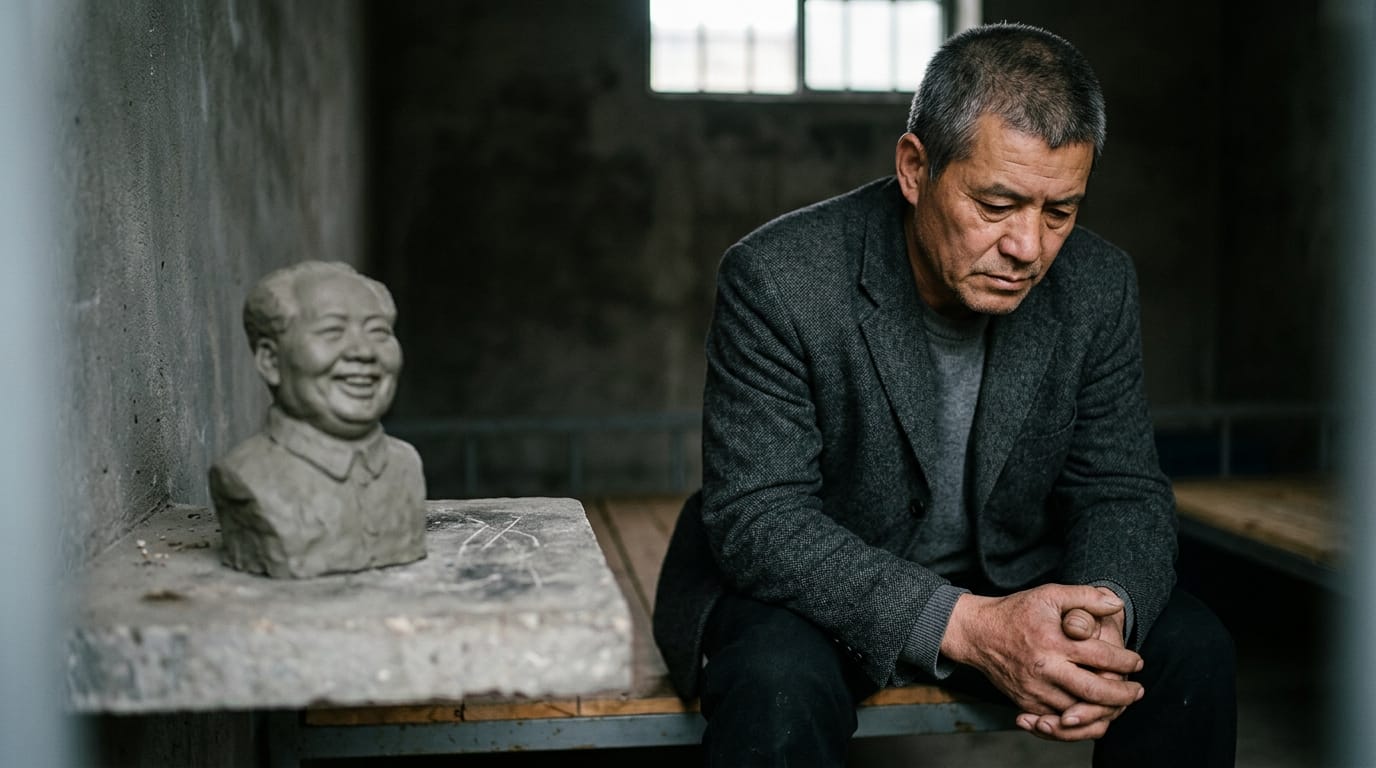
A prominent Chinese artist, Gao Zhen, known internationally for his satirical sculptures depicting former leader Mao Zedong, has been sentenced to three years in prison, a verdict that has drawn widespread condemnation from human rights advocates globally. The 70-year-old artist, a Chinese citizen and U.S. permanent resident, was found guilty of "slandering China's heroes and martyrs" for artworks created more than a decade before the law under which he was charged came into effect, underscoring Beijing's intensifying crackdown on artistic freedom and dissent.
The Art That Challenged Official Narratives
Gao Zhen, part of the acclaimed "Gao Brothers" duo with his younger brother Gao Qiang, rose to prominence through works that provocatively engaged with China's political history and figures. His satirical sculptures of Mao Zedong, created between 2005 and 2009, openly challenged the sanitized official narratives surrounding the former leader. Among his most recognized pieces are "Mao's Guilt," a bronze statue depicting Mao kneeling in apparent repentance, and a series titled "Miss Mao," which features caricatured renditions of Mao with an enlarged nose and prominent breasts. Another controversial work portrayed statues of Mao aiming rifles at Jesus. These works, long exhibited internationally, offered a critical perspective on Mao's legacy, particularly the turbulent Cultural Revolution.
The artists' deliberate use of satire served to provoke critical reflection on a period of immense social upheaval and political persecution in China, a stance often at odds with the Chinese government's tightly controlled historical discourse.
Two Years in Detention Culminate in Controversial Verdict
Gao Zhen's legal ordeal began on August 26, 2024, when he was detained while visiting China with his family. For two years, the artist remained in official custody, his case largely shrouded in secrecy. The trial itself was a one-day, closed-door hearing conducted in March 2026 at the Sanhe City Court in Hebei province, during which his family and U.S. diplomats were reportedly barred from attending.
On August 25, 2026, the court delivered its verdict, sentencing Gao Zhen to the maximum three-year prison term for "slandering China's heroes and martyrs." The charges were brought under China's "Law on the Protection of Heroes and Martyrs," a statute that officially came into force in March 2018 and was subsequently strengthened in 2021. This timeline highlights a central point of contention for rights groups: the retroactive application of a relatively new law to artworks created more than a decade prior to its enactment. Human rights organizations argue that applying the law retroactively to punish artistic expression sets a dangerous precedent.
A Family's Anguish and China's Shrinking Space for Expression
The impact of Gao Zhen's detention and sentencing has extended beyond the artist himself, profoundly affecting his family. His wife, Zhao Yaliang, has publicly expressed her anguish, describing the past two years as a painful ordeal for the family. Compounding the distress, Ms. Zhao and their young son have reportedly been unable to leave China since Gao Zhen's initial detention, with reports suggesting Ms. Zhao was prevented from traveling abroad based on national security grounds. Concerns have also been raised regarding Gao Zhen's health while in detention, with reports indicating he has fainted and suffers from various ailments, including back, knee, and respiratory problems, and experienced heatstroke.
This case is seen by many as emblematic of the Chinese government's tightening grip on political and artistic expression under leader Xi Jinping. The "Law on the Protection of Heroes and Martyrs" has increasingly been utilized to prosecute individuals who challenge official historical narratives or "insult revolutionary figures." Critics point to a broader pattern of censorship, where not only artists but also journalists and ordinary citizens face severe penalties for deviating from state-approved discourse. The use of charges like "picking quarrels and provoking trouble," often leveled against dissidents, further illustrates the government's expansive tools for suppressing dissent.
International Outcry and the Enduring Fight for Freedom
The sentencing of Gao Zhen has triggered a wave of international condemnation. Human rights organizations, including Amnesty International and Chinese Human Rights Defenders (CHRD), have been vocal in their criticism. Sarah Brooks, China Director for Amnesty International, stated that the decision to sentence Gao Zhen to the maximum term underscores the authorities' determination to deter independent artistic expression. The United Nations' high commissioner for human rights has also called for Gao Zhen's immediate and unconditional release, highlighting concerns over the retroactive application of criminal law to punish artistic work.
Gao Zhen's family and supporters maintain that his work is a legitimate form of artistic commentary, not a criminal act. The artist himself plans to appeal both his conviction and the three-year prison term. This appeal represents an ongoing challenge to what international observers describe as an increasingly restrictive environment for creative and critical thought in China. The case serves as a stark reminder of the delicate balance between state control and individual expression, and the global implications when that balance is perceived to be severely out of alignment.
The fight for Gao Zhen's freedom continues, casting a long shadow over the future of artistic independence within China and prompting a renewed examination of human rights in the country on the international stage.