DRC Ebola Outbreak Spirals: UN Warns of "Exponential" Growth as Death Toll Mounts
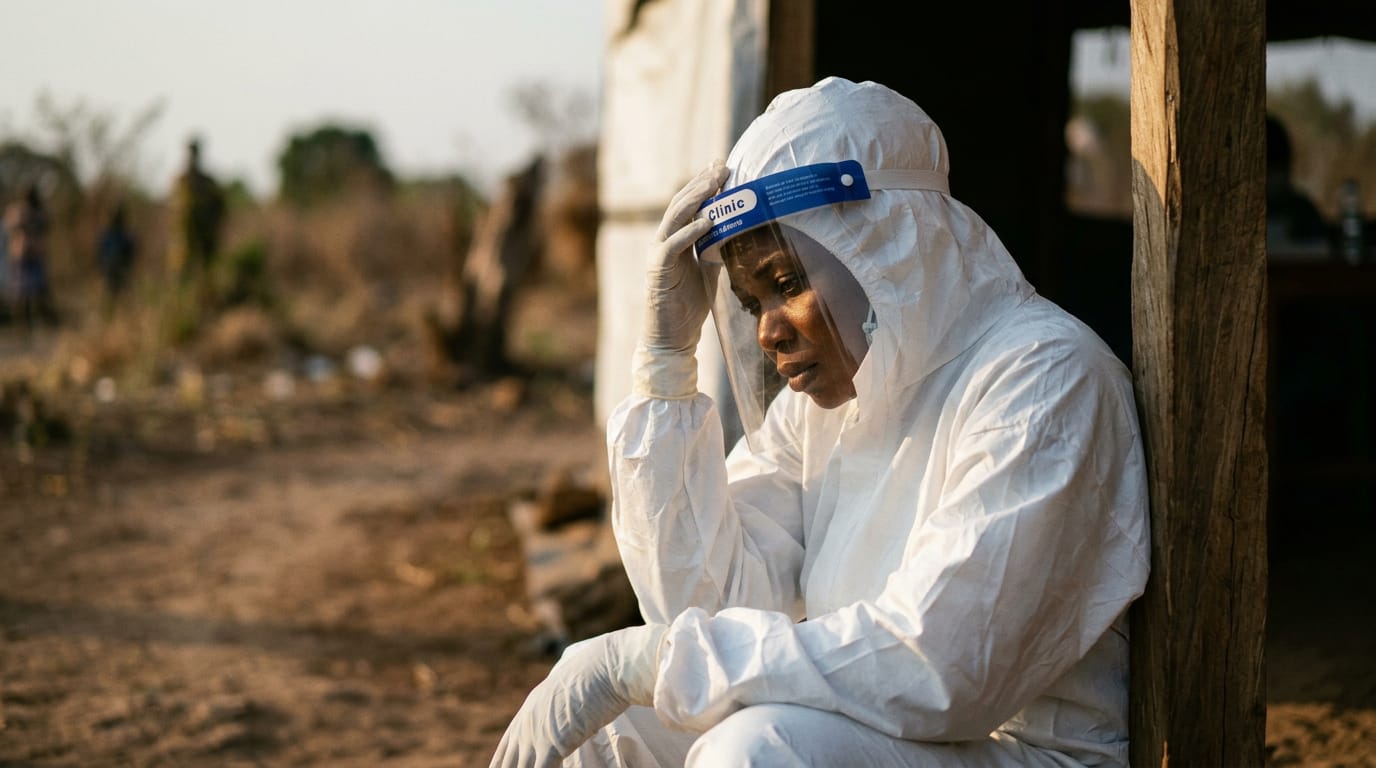
GENEVA – The Democratic Republic of Congo (DRC) is grappling with an Ebola outbreak described by the United Nations as "growing exponentially," with more than 2,500 deaths recorded, half of which have occurred in the last 20 days. This seventeenth Ebola outbreak in the DRC's history has become the fastest-spreading and deadliest the country has ever faced, outpacing response efforts and threatening to destabilize an already vulnerable region.
Declared on May 15, 2026, the outbreak, caused by the rare Bundibugyo species of the Ebola virus, was quickly escalated to a Public Health Emergency of International Concern (PHEIC) by the World Health Organization (WHO) on May 17. Ituri province in eastern DRC remains the epicenter, but the virus has now spread across six provinces, including Bas-Uele, Haut-Uele, North Kivu, South Kivu, and Tshopo, covering an area larger than France. Instances of cross-border transmission have also been confirmed in neighboring Uganda.
A Crisis Unfolding at Unprecedented Speed
The sheer velocity of this outbreak is a primary concern for international health organizations. As of August 21, 2026, over 5,100 infections have been recorded, with the fatality rate reaching approximately 47 percent. Alarmingly, one person is dying every 30 minutes from the disease, making it the fastest-growing Ebola outbreak on record. The recent surge saw 1,060 confirmed cases and 597 deaths reported in just the first two weeks of August alone, highlighting the exceptional pace of transmission.
A significant challenge to containment lies in the high percentage of cases originating from "unknown chains of transmission." Up to 80 percent of new infections are outside contact lists, meaning individuals are contracting the virus without known exposure to a confirmed case. Furthermore, a concerning number of deaths are occurring within communities, with individuals succumbing to the virus before reaching a health facility or receiving care, further obscuring transmission routes and hindering surveillance efforts. Initial diagnostic errors, which sometimes misattributed Ebola symptoms to malaria, typhus, or seasonal flu, allowed the virus to circulate undetected for weeks before the official declaration.
Compounding Challenges: Conflict, Mistrust, and a Novel Strain
The response to this rapidly escalating crisis is severely hampered by a complex interplay of factors unique to eastern DRC. The region is plagued by persistent armed conflict involving numerous groups, including the Allied Democratic Forces (ADF) and M23 militia, which severely restricts humanitarian access and places responders at immense risk. Attacks on health facilities and personnel are frequent, disrupting critical operations and fostering an environment of fear and mistrust among local populations.
Community resistance and misinformation present another formidable barrier. Decades of conflict and previous outbreaks have eroded trust in authorities, leading some communities to avoid seeking treatment or participating in contact tracing. This distrust, combined with inadequate health infrastructure and a weak state presence in affected areas, complicates efforts to implement effective public health measures.
Crucially, the current outbreak is caused by the Bundibugyo species of Ebola virus, for which no licensed vaccine or specific treatment currently exists. While vaccine trials are underway in the UK and Canada, and 70,000 doses of the Ervebo vaccine (effective against the Zaire strain) have been allocated to the DRC, its efficacy against Bundibugyo remains unconfirmed, with only early data suggesting potential cross-protection.
Humanitarian Crisis Deepens as Response Struggles
The humanitarian toll of the outbreak extends far beyond direct infections. The United Nations Development Programme (UNDP) warns that the crisis could push an additional 985,000 people into poverty, eliminating tens of thousands of jobs and potentially costing African economies up to $3.6 billion if regional and global shocks intensify. Women, who dominate informal cross-border trade and comprise a majority of frontline health workers, are disproportionately affected by economic disruptions and increased risk of exposure.
Children are particularly vulnerable, accounting for nearly one in four confirmed cases and almost one in three deaths. Young children under five face a case fatality rate more than double that of adults. Fear of infection has led to a sharp decline in access to essential healthcare services, including childhood immunizations and facility births, with a 42 percent drop in service utilization in primary hotspots. This disruption risks a secondary public health crisis, with projections indicating up to 2,520 excess infant deaths from non-Ebola causes.
International organizations, including UNICEF, WHO, and the World Food Programme (WFP), are scaling up their efforts to address the crisis. This includes strengthening surveillance, contact tracing, infection prevention and control, and community engagement. However, response plans face significant funding gaps, with UNICEF reporting an $80.8 million shortfall for its six-month plan. The WHO has also secured only 60 percent of its requested $115 million for the full epidemic response.
Urgent Call for Sustained Global Action
UN officials, including Humanitarian Affairs Chief Tom Fletcher, have issued urgent calls for speed, scale, and solidarity to prevent the virus from further outpacing the response. The ongoing humanitarian crisis, characterized by insecurity, population displacement, and cross-border movements, continues to exacerbate the situation and increase the risk of wider geographical spread.
The international community, working in conjunction with national authorities in the DRC and Uganda, is focusing on bolstering emergency coordination, laboratory testing, clinical care, and cross-border preparedness. The battle against this unprecedented Ebola outbreak demands sustained resources, improved security for responders, and a deep, community-centric approach to build trust and ensure that critical health services reach those most in need.