Drug Traffickers Attempt "Sawdust" Smuggling of Cocaine in Historic Bolivian Bust En Route to Europe
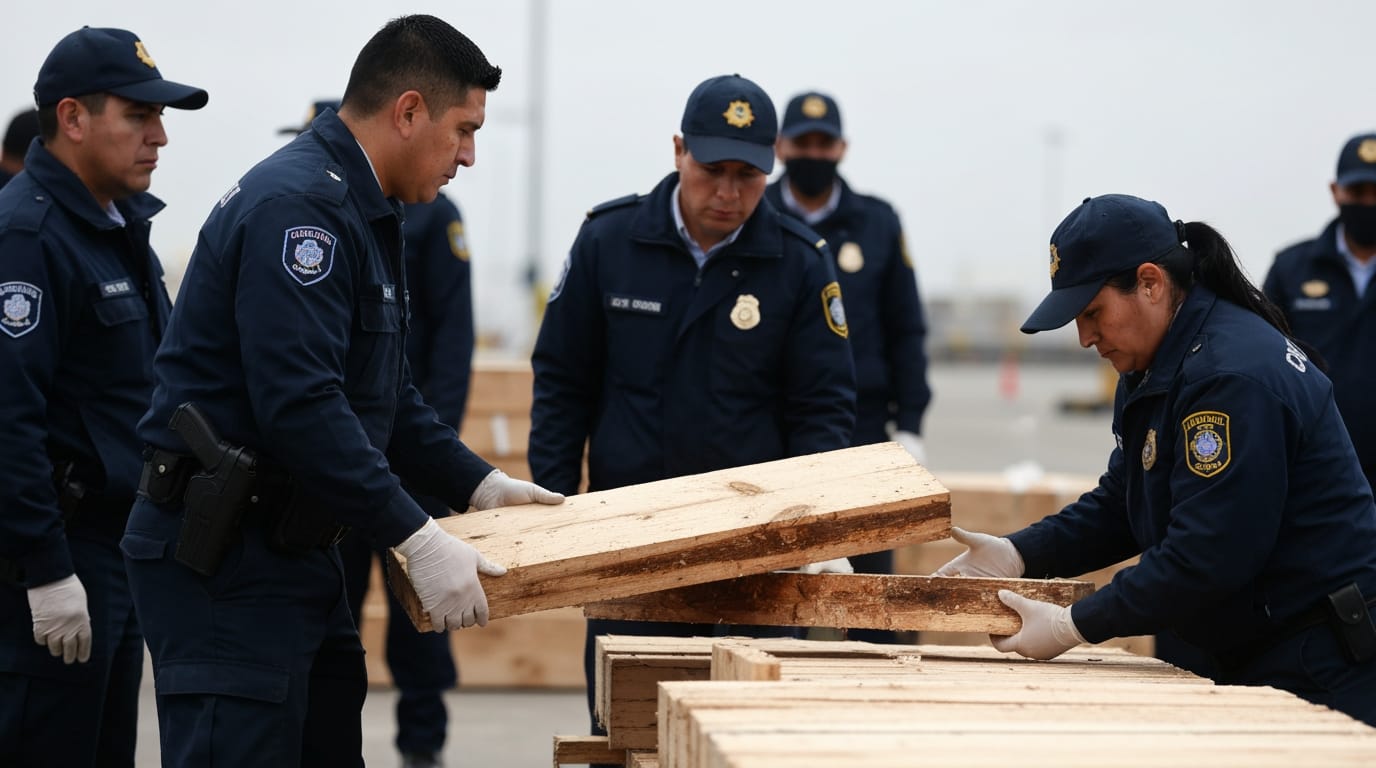
Authorities have uncovered a sophisticated and unprecedented method of drug trafficking, involving the impregnation of cocaine into wooden flooring materials, in what has been described as Bolivia's largest ever seizure of the illicit substance. The monumental bust, totaling 8.7 metric tons of cocaine, was intercepted at a border checkpoint with Chile, with the cargo destined for lucrative European markets, highlighting the evolving tactics employed by international narcotics syndicates.
The significant interdiction occurred on New Year's Eve, December 31, 2023, at the Tambo Quemado customs checkpoint, a critical transit point between Bolivia and Chile. A heavy transport truck carrying a shipment of wooden floor tiles, ostensibly for export, was stopped as it lumbered towards a seaport in northern Chile. This port was intended to be the launch point for the illicit cargo's sea voyage through the Panama Canal, ultimately headed for destinations in Belgium and the Netherlands. Bolivian authorities, following a two-month investigation, uncovered the cleverly disguised narcotics during a thorough search the following day.
The sheer scale of the operation and the ingenuity of the concealment method distinguish this seizure from previous drug interdictions. Unlike traditional methods of hiding drugs within hollowed-out timber or false compartments, this scheme involved a "modern-day alchemy" where cocaine was chemically altered and integrated directly into the wooden planks. Reports indicate the cocaine was processed to resemble a rubbery tile underpad beneath each plank or tile. This labor-intensive and complex technique, designed to bypass conventional detection methods, demonstrates a new level of sophistication from organized crime syndicates. The total cargo weighed 22 tons, of which a staggering 8.7 tons was pure cocaine, representing nearly 40% of the entire weight.
Bolivian President Luis Arce personally announced the discovery, underscoring its historical significance as the largest cocaine find in the country's history. Had the 8.7 metric tons of cocaine reached its intended European markets, its street value was estimated to soar to approximately $526 million, a stark increase from its local street value of $224 million. The financial implications highlight the immense profits driving such high-risk operations and the economic impact of successful interdictions. The operation also led to the arrest of six men, including a Colombian national described as an "engineer who specializes in resins," allegedly responsible for mixing the cocaine into its unique form. The owner of the Bolivian Wood Export Company and the truck driver were also among those apprehended, pointing to a well-structured criminal enterprise.
This bust serves as a critical reminder of the ongoing battle against international drug trafficking and the relentless efforts by criminal organizations to innovate their smuggling techniques. Bolivia, alongside Colombia and Peru, remains a key player in coca cultivation and cocaine production, making its landlocked status a strategic challenge for traffickers who rely on transit routes through neighboring countries like Chile to access global markets. Just days after the stunning find, the Bolivian government publicly destroyed the seized cocaine, a carefully orchestrated event witnessed by national and international officials, including representatives from the United Nations Office on Drugs and Crime, to ensure transparency and accountability.
The seizure at the Tambo Quemado checkpoint, while occurring on Bolivian soil, has significant implications for regional anti-narcotics strategies, particularly concerning the transit routes through Chile. As criminal groups develop increasingly sophisticated concealment methods, law enforcement agencies face continuous pressure to adapt and enhance their detection capabilities. The successful identification and interdiction of such a large quantity of drugs, disguised in an unprecedented manner, represents a major victory for international cooperation against the global drug trade, emphasizing the need for continued vigilance and technological advancement in combating this evolving threat.


