Dual Crises Engulf Sudan: Iran War Fuels Economic Turmoil as Drone Strikes Claim Civilian Lives in 2026
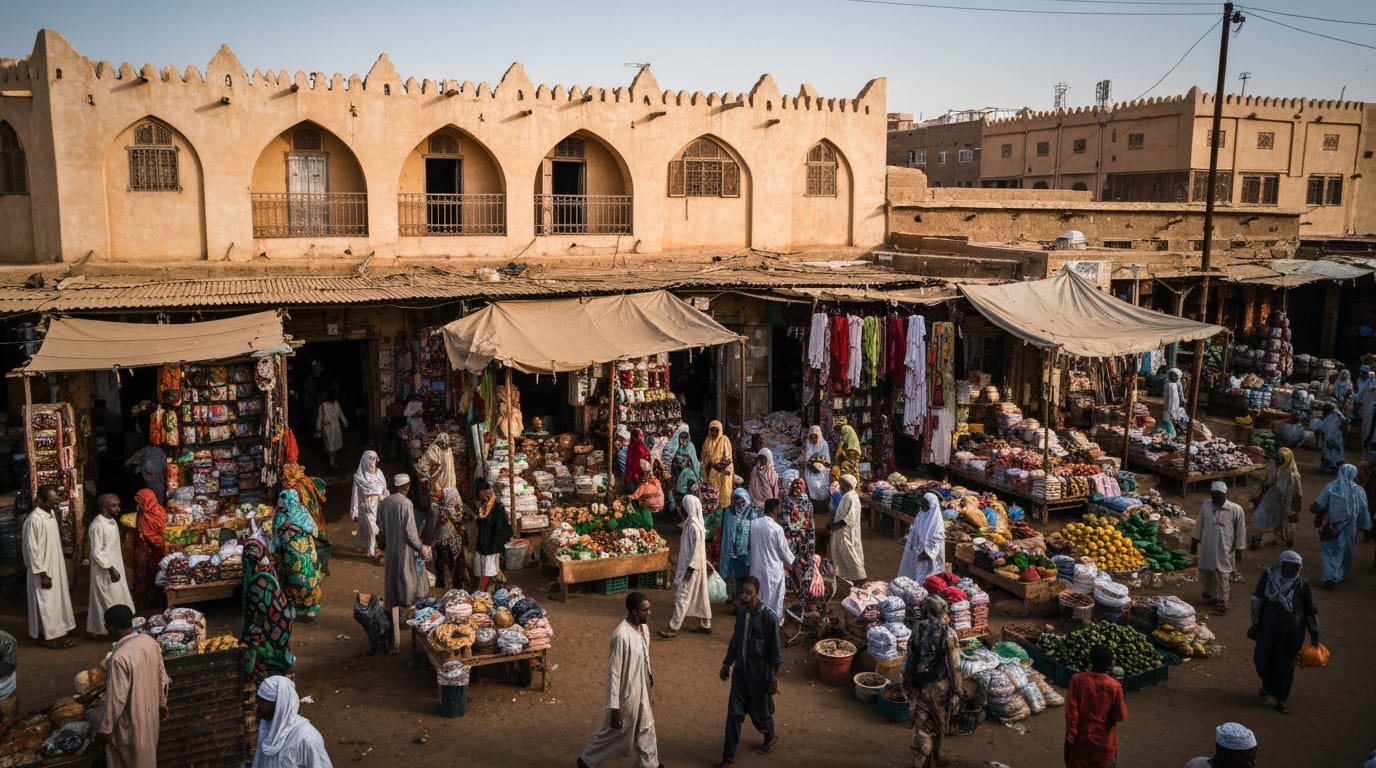
Sudan finds itself in an increasingly precarious position in 2026, grappling with a convergence of crises that threaten to destabilize an already fragile nation. The escalating conflict in Iran has triggered "massive" increases in food and fuel prices, placing immense strain on Sudanese households and exacerbating an already dire humanitarian situation. Simultaneously, the country is reeling from reports of drone attacks responsible for the deaths of "hundreds of civilians," adding a layer of deadly violence to the unfolding catastrophe. These twin pressures—economic collapse driven by external conflict and internal, technologically advanced warfare targeting populations—paint a grim picture for Sudan's immediate future and demand urgent international attention.
Economic Fallout from a Distant War
The economic tremors emanating from the Iran war have sent shockwaves across global markets, with Sudan bearing a disproportionate share of the burden. The conflict's impact on international oil prices and supply chain disruptions has directly translated into "massive" fuel price hikes across Sudan. As a nation heavily reliant on imported goods and with an economy sensitive to global energy costs, the sudden surge in fuel prices has had a cascading effect. Transportation costs for essential commodities have soared, directly contributing to the "massive" rise in food prices. For average Sudanese families, already struggling with chronic food insecurity and limited purchasing power, these price increases represent an insurmountable challenge, pushing basic necessities further out of reach.
The intricate web of global trade means that conflict in one strategic region, like the Middle East, inevitably impacts distant economies. Shipping routes become riskier, insurance premiums rise, and the fundamental supply and demand dynamics for energy commodities are severely disrupted. For a country like Sudan, which has faced sustained economic difficulties including inflation and currency devaluation in recent years, these external shocks are particularly devastating. The nation's agricultural sector, dependent on fuel for machinery and transport, experiences higher input costs, which are then passed on to consumers. This cycle of rising prices threatens to plunge millions more into extreme poverty and could trigger widespread food shortages and malnutrition, especially in vulnerable regions already grappling with internal displacement and conflict.
The Shadow of Drone Warfare: Civilian Casualties Mount
Adding to the humanitarian crisis is the chilling revelation that "drones kill hundreds of civilians" in Sudan during 2026. While details regarding the perpetrators or the specific contexts of these strikes remain scant, the reported scale of civilian casualties underscores the evolving and increasingly dangerous nature of modern conflict. The use of unmanned aerial vehicles, or drones, in warfare has become a pervasive feature of contemporary battlefields, often celebrated for their precision capabilities. However, when deployed in complex or densely populated environments, or without stringent safeguards, drones can inflict devastating and indiscriminate harm on non-combatants.
The psychological impact of such attacks on communities is profound. Living under the constant threat of unseen aerial strikes fosters an environment of pervasive fear and uncertainty, disrupting daily life, impeding access to essential services, and contributing to mass displacement. Civilian infrastructure, including homes, markets, and places of worship, can become collateral damage, further complicating humanitarian efforts and delaying any prospect of recovery. The killing of hundreds of civilians by drones represents a grave escalation of violence and a stark reminder of the human cost of evolving military technologies in conflict zones. It raises serious questions about accountability, the rules of engagement, and the international legal frameworks governing the use of such weapons.
Sudan's Deep-Seated Vulnerabilities Exposed
These new crises are unfolding against a backdrop of deep-seated vulnerabilities within Sudan. For years, the nation has grappled with a complex mosaic of internal conflicts, political instability, economic mismanagement, and recurrent humanitarian emergencies. Decades of conflict, particularly in regions like Darfur, Blue Nile, and South Kordofan, have resulted in widespread displacement, destroyed livelihoods, and a significant humanitarian caseload. The country's infrastructure is often inadequate, and its healthcare and education systems are severely strained.
The existing economic fragility, characterized by high inflation, a depreciating currency, and limited foreign exchange reserves, makes the country exceptionally susceptible to external shocks like the impact of the Iran war. Many Sudanese households have minimal savings and rely on daily wages, meaning that even moderate price increases can push them over the brink of survival. Furthermore, the persistent political transitions and power struggles have hampered efforts to build resilient institutions and implement effective economic reforms, leaving the population exposed to the full force of these new challenges. The combination of pre-existing internal strife and new external pressures creates a perfect storm for a comprehensive national crisis.
A Looming Humanitarian Catastrophe
The confluence of "massive" food and fuel price rises and the tragic loss of "hundreds of civilians" to drone strikes is pushing Sudan toward an unprecedented humanitarian catastrophe. Aid organizations already stretched thin in addressing ongoing needs will face immense pressure to scale up operations in an environment where access is likely to be challenging and resources increasingly scarce. The disruption of food supply chains due to conflict-driven fuel costs means that even if food aid is available, delivering it to those who need it most will become significantly more difficult and expensive.
The displacement of populations, both due to conflict and economic hardship, will likely increase, placing further strain on already overcrowded camps and host communities. Public health crises could emerge as access to clean water, sanitation, and medical care deteriorates. The educational prospects for a generation of Sudanese children risk being irrevocably damaged as families prioritize survival over schooling. The events of 2026 underscore the urgent need for a coordinated international response that not only addresses the immediate humanitarian needs but also seeks to mitigate the root causes of Sudan's enduring fragility and promote sustainable peace and stability.
The year 2026 marks a critical juncture for Sudan, as the nation confronts a brutal combination of externally induced economic hardship and internal, deadly violence. The "massive" increases in food and fuel prices, directly linked to the Iran war, are set to devastate livelihoods and deepen food insecurity across the country. Simultaneously, the tragic loss of "hundreds of civilians" to drone attacks highlights the severe and evolving threats facing the Sudanese population. These intertwined crises, layered upon Sudan's pre-existing vulnerabilities, demand immediate global attention to prevent further suffering and to chart a path toward relief and recovery for millions of affected individuals.