Dual Crises: Europe Warns Iran Conflict Fuels Russia and Risks Ukraine's Support
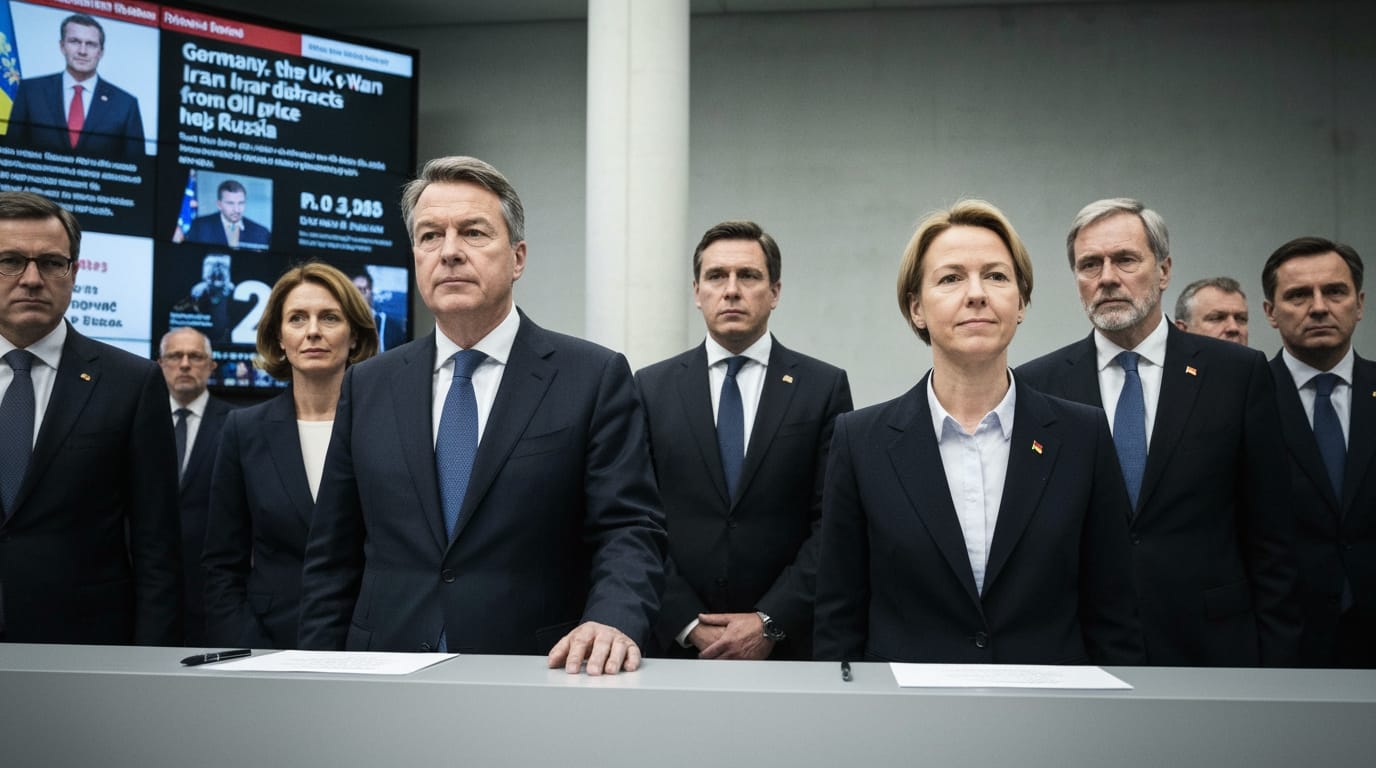
The escalating tensions in the Middle East, marked by the conflict involving Iran, are drawing urgent warnings from European leaders who fear the crisis could divert crucial international attention and resources from Ukraine, while simultaneously bolstering Russia's war economy through rising oil prices. Both Germany and the United Kingdom have voiced concerns over the interconnectedness of these global flashpoints, emphasizing the strategic dilemmas facing Western powers committed to supporting Kyiv against ongoing Russian aggression. The precarious balance of global security now hinges on navigating multiple, complex geopolitical challenges without inadvertently empowering Moscow.
Geopolitical Intersections: A Distraction for the West
European officials are increasingly articulating a direct link between events in the Middle East and the war in Ukraine, highlighting how a destabilized Persian Gulf could play into Russia's strategic interests. German Chancellor Friedrich Merz recently criticized the United States for easing some sanctions on Russian oil, a move he described as a "wrong course of action" that could inadvertently finance Russia's war effort in Ukraine. This sentiment underscores a broader European concern that any perceived relaxation of pressure on Moscow, particularly concerning its energy sector, is detrimental to the goal of isolating Russia.
Furthermore, German Foreign Minister Annalena Baerbock has accused Russia of actively assisting Iran in identifying potential targets for strikes, a tactic Berlin views as a deliberate attempt by the Kremlin to shift Western focus away from the conflict in Ukraine. Baerbock reiterated Germany's unwavering commitment to Ukraine, announcing a substantial military aid package and stressing that Europe must demonstrate solidarity "without ifs and buts." She characterized Russia's leader as "playing for time" and unwilling to compromise on his objectives in Ukraine, emphasizing the need for sustained vigilance and support from international partners. The German government has also accused Russia of deliberately targeting Ukraine's economic and energy infrastructure, aiming to destroy the country's lifelines.
Ukraine's Vulnerability Amid Shifting Priorities
The core concern among European allies is that an intensification of the Middle East conflict could lead to a redirection of military aid and diplomatic attention that Ukraine desperately needs. Should the United States and other Western nations be compelled to allocate more military resources to the Middle East, the supply available for Ukraine could diminish, potentially strengthening Russia's position on the battlefield. This potential shift in priorities comes at a critical juncture for Ukraine, which has received substantial aid from Western nations since the full-scale invasion began in 2022.
Leaders across Europe recognize the imperative to prevent Moscow from exploiting any broader regional instability to weaken Ukraine. Germany, for instance, maintains a strong commitment to sanctions against Russia and prioritizes humanitarian aid and energy security, aiming to prevent rising oil and gas prices from further funding Russia's war machine. The ongoing support from European nations has been significant, with the European Union and its member states providing tens of billions in financial, military, humanitarian, and refugee assistance to Ukraine.
The Energy Market and Russia's Financial Lifeline
A major economic implication of the Middle East crisis is its direct impact on global energy markets, which, in turn, provides a significant financial boost to Russia. Disruptions to Middle East energy supplies are driving up global oil and gas prices. This trend directly benefits Russia's finances and supports its ongoing war efforts in Ukraine. Before the recent escalation in the Middle East, Russia's energy revenues had seen a downturn, partly due to lower global oil prices and the impact of Western sanctions. However, the current volatility reverses this trend.
Experts warn that a prolonged closure of critical maritime passages, such as the Strait of Hormuz—a chokepoint through which approximately 20% of global oil shipments pass annually—could push oil prices significantly higher, potentially reaching $108 per barrel. Such a scenario would not only exacerbate global inflation and potentially push European economies closer to recession but also provide "the largest windfall to Russia." Rising energy prices directly translate into increased revenue from Russia's oil and gas exports, a fundamental source of funding for the Kremlin's budget and its military operations. This injection of funds allows Russia to sustain its military operations in Ukraine for a longer duration, partially offsetting the impact of Western sanctions.
The United Kingdom has also acknowledged the economic fallout, with concerns that the Middle East crisis could elevate domestic energy bills as oil prices are projected to exceed $100 a barrel due to Iran's actions concerning the Strait of Hormuz. The prospect of such economic pain has led some, like UK opposition leader Sir Keir Starmer, to express reluctance towards joining any blockade of the Strait of Hormuz due to the potential for further increases in petrol costs.
European Unity and Strategic Challenges
The confluence of these crises presents European nations with a complex strategic challenge. Maintaining a unified and resolute stance against Russia's aggression in Ukraine while simultaneously navigating the ripple effects of Middle Eastern instability requires careful diplomacy and robust policy. Germany's Foreign Minister Baerbock has consistently highlighted the need for clarity from international partners regarding military objectives in the Middle East and emphasized the necessity of European unity to protect Ukraine and broader regional stability.
European nations have significantly stepped up their investments in assistance to Ukraine, accounting for a substantial portion of global aid. This commitment reflects a recognition that Russia's war in Ukraine not only poses an existential threat to Kyiv but also has far-reaching implications for global stability, energy markets, and food supplies. The current landscape underscores the fragility of global energy markets, where geopolitical events can rapidly trigger price spikes and economic uncertainty. Europe has taken steps to diversify its energy supply and accelerate renewable energy adoption since Russia's invasion, but the current crisis reveals the ongoing vulnerabilities.
Conclusion
The warnings from Germany and the United Kingdom underscore a critical juncture in international relations, where crises in disparate regions are proving deeply interconnected. The unfolding situation in the Middle East, particularly involving Iran, risks diverting essential attention and resources from Ukraine at a crucial time, while simultaneously providing an economic lifeline to Russia through elevated oil prices. European leaders are striving to uphold sanctions against Moscow and maintain robust support for Kyiv, recognizing that these two challenges are not isolated but intertwined. The ability of the international community to manage these concurrent crises, preventing a shift in focus from Ukraine and mitigating the financial benefits to Russia, will be a defining test of global diplomatic and strategic resolve.


