Dubai's Financial Heartland Under Scrutiny Amidst Regional Tensions and Evolving Global Standards
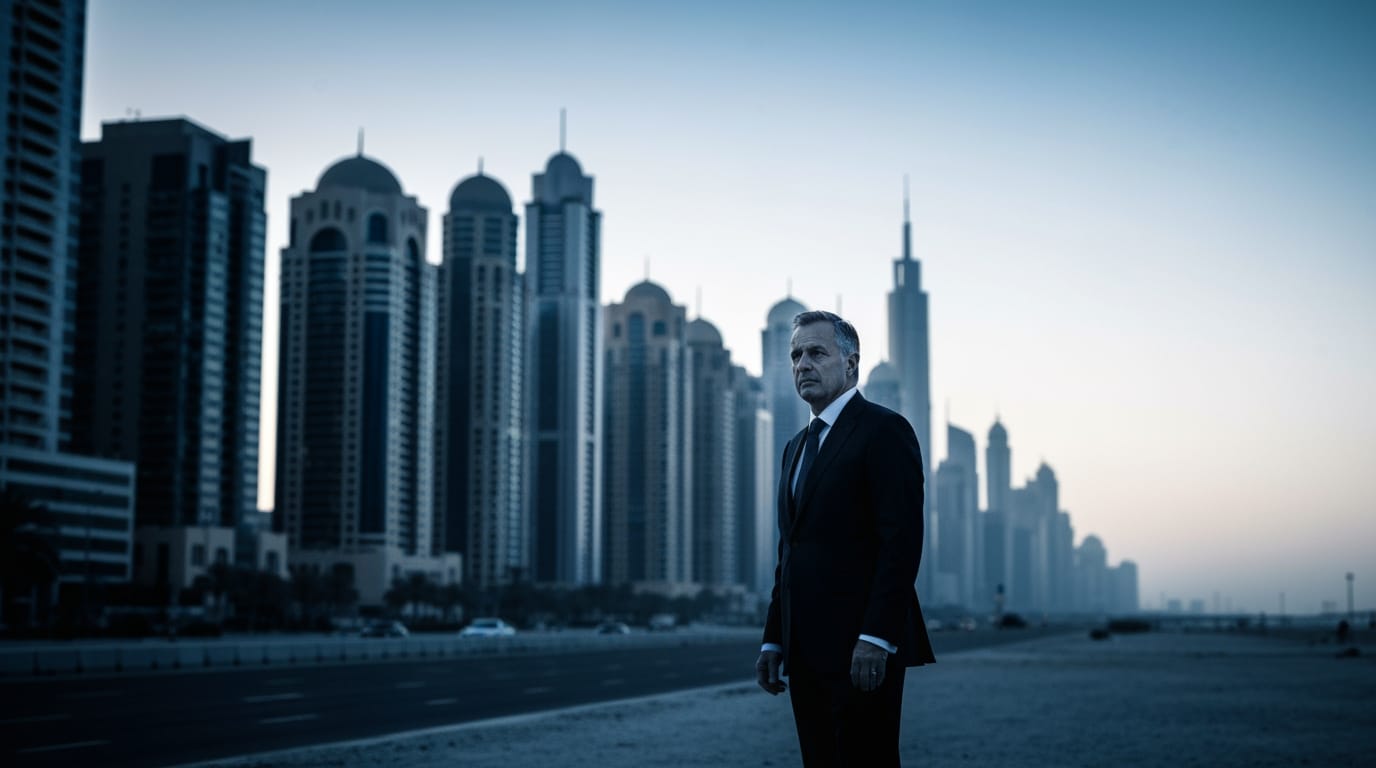
Dubai, long hailed as a beacon of stability and a pivotal financial hub bridging East and West, is currently navigating its most significant test yet. A confluence of escalating geopolitical tensions in the Middle East and increased international scrutiny over financial regulations has placed the emirate's carefully cultivated image under considerable pressure, challenging its role as a preferred destination for global capital and talent.
The Ascent of a Desert Metropolis
For decades, Dubai has meticulously crafted its reputation as a dynamic global financial center. Situated strategically between Asia, Africa, and Europe, its economic strategy has focused on robust infrastructure, sophisticated regulation, and extensive aviation and logistics networks, all built with a long-term vision for international commerce. The Dubai International Financial Centre (DIFC), established in 2004, has been instrumental in this growth, providing a common law framework and an attractive ecosystem for global banks, investment firms, and fintech companies. This deliberate strategy has seen Dubai diversify its economy significantly beyond oil, with financial services, tourism, trade, and technology becoming increasingly vital sectors. Non-oil sectors now contribute approximately 75% to the UAE's total GDP, a marked reversal of historical reliance on hydrocarbons. This strategic foresight has propelled Dubai to its highest-ever ranking, seventh globally, in the Global Financial Centres Index (GFCI), underscoring its growing importance in the international financial system and aiming for a top-four position by 2033 under the Dubai Economic Agenda D33.
Navigating Geopolitical Storms
However, Dubai's image as a secure and stable international financial center has recently faced considerable strain from escalating regional conflicts. The ongoing situation involving Iran and broader Middle Eastern instability, characterized by drone strikes and missile attacks, has cast a shadow over the region. News reports indicate that a drone strike recently targeted a residential tower in Dubai, intensifying concerns about the city's stability. This period of geopolitical stress has triggered caution among global businesses, leading to short-term hesitation in travel plans and investment decisions. Some analysts suggest that Dubai's long-standing image as a "safe haven" has been "shattered" by these developments. While Dubai's financial markets experienced an initial shock, with stock markets losing significant value after missile strikes and flight cancellations, institutional buyers intervened, leading to a recovery of roughly half those losses within two weeks. Despite these immediate impacts, the DIFC reported a surge in new company registrations and financial services authorizations in March 2026, suggesting underlying resilience and continued appeal to some investors.
Bolstering Regulatory Foundations
Beyond geopolitical challenges, Dubai has also undergone rigorous examination of its financial regulatory environment. In March 2022, the United Arab Emirates (UAE) was placed on the Financial Action Task Force's (FATF) "grey list" due to identified strategic deficiencies in its anti-money laundering (AML) and countering the financing of terrorism (CFT) frameworks. This placement subjected the UAE to increased international monitoring and scrutiny.
In response, the UAE embarked on a concerted effort to overhaul its compliance framework. This involved establishing an Executive Office to combat money laundering and terrorist financing, creating a special court dedicated to financial crimes, and implementing new, stricter guidelines for financial institutions and designated non-financial businesses and professions. The nation also adopted a new penal code to strengthen AML, CFT, anti-bribery, and anti-corruption regulations. These diligent efforts bore fruit, as the UAE was successfully removed from the FATF grey list in February 2024. This removal is anticipated to increase investor confidence, reduce compliance costs for businesses, and facilitate smoother international trade and investment, signaling the UAE's commitment to upholding a robust AML/CFT regime. However, the ongoing vigilance required, including impending fifth-round FATF evaluations in 2026, ensures continued scrutiny and demands for compliance.
Diversification, Innovation, and Future Vision
In the face of external pressures, Dubai continues to prioritize economic diversification and technological innovation to secure its future as a leading global hub. The emirate is actively channeling investments into cutting-edge sectors such as artificial intelligence (AI), fintech, and digital finance. Supported by a proactive regulatory approach that fosters collaboration with the private sector, Dubai has positioned itself as a significant fintech hub, hosting over 140 firms and employing more than 2,000 professionals in this domain.
Strategic visions like the "We the UAE 2031" strategy and the Dubai Economic Agenda D33 are setting ambitious targets for economic expansion, aiming to reduce dependency on oil further and enhance competitiveness across various sectors. These initiatives include reforms to improve the ease of doing business, attract foreign direct investment, and promote a globally competitive environment through policies like liberal foreign ownership rules and long-term residency visas for talent. The city's focus on quality of life and world-class infrastructure is also crucial in attracting and retaining top-tier talent and capital, reinforcing its appeal as a global lifestyle destination. This broad-based diversification into trade, logistics, tourism, and financial services, coupled with a focus on innovation, is designed to build a resilient, knowledge-driven, and future-ready economic model.
Resilience in the Face of Adversity
The recent trials, while significant, have inadvertently underscored Dubai's deep-rooted economic strategy and its capacity for rapid adaptation. The structural strengths, including its robust regulatory architecture, extensive infrastructure, and strategic geographical advantage, have allowed it to absorb shocks and maintain its appeal to global capital. Indeed, some financial institutions now view Dubai not merely as a stable regional hub, but as one "designed specifically for regional instability," adjusting their long-term strategies accordingly.
As Dubai looks ahead, the ongoing interplay between geopolitical dynamics, the continuous evolution of financial regulations, and its proactive diversification efforts will define its trajectory. The emirate's ability to consistently adapt, innovate, and reinforce its foundational strengths will be paramount in sustaining its momentum and achieving its ambitious goals, ultimately determining if these current tests serve as temporary setbacks or catalysts for an even more resilient future.