Earth on Brink of Unprecedented Heat: UN Report Forecasts Record Temperatures in Next Five Years
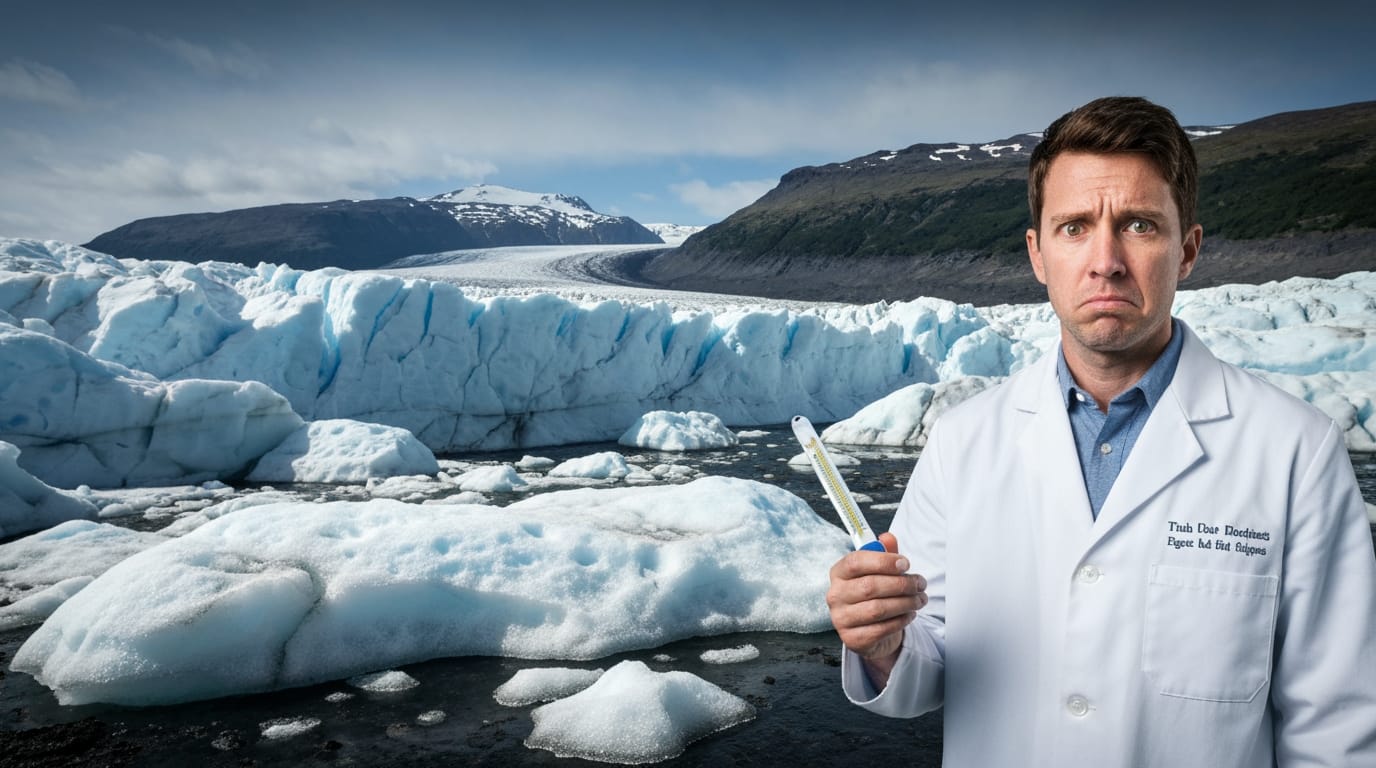
GENEVA — The Earth stands on the precipice of an era of unprecedented warmth, with global average temperatures overwhelmingly likely to reach new record highs within the next five years, according to a stark new report from the United Nations' World Meteorological Organization (WMO). The latest "Global Annual to Decadal Climate Update," produced by the UK Met Office and synthesizing data from 13 leading institutes, projects a near certainty that the planet will temporarily breach the critical 1.5 degrees Celsius warming threshold and shatter existing annual temperature records, signaling an accelerating climate crisis.
The Looming Temperature Milestones
The WMO's findings paint a concerning picture for the immediate future of global temperatures. There is an 86% probability that at least one year between 2026 and 2030 will surpass 2024 as the warmest year on record. Notably, 2024 itself registered as the warmest year to date, with the globally averaged near-surface temperature estimated at 1.55°C ±0.13°C above the 1850–1900 pre-industrial baseline. The report further warns of a 91% chance that the global mean near-surface temperature will temporarily exceed 1.5°C above the 1850-1900 average for at least one year within the 2026-2030 period. For the entire five-year span from 2026 to 2030, there is a 75% likelihood that the average global temperature will surpass this critical 1.5°C mark. Annual global mean near-surface temperatures during this period are predicted to range between 1.3°C and 1.9°C above the 1850-1900 average. While it is considered exceptionally unlikely (less than 1% chance) that any single year will exceed 2°C of warming in the next five years, the consistent march toward higher temperatures underscores the urgent need for climate action.
The Double Impact of Greenhouse Gases and El Niño
The projected surge in global temperatures is attributed to a confluence of human-induced climate change, primarily driven by heat-trapping greenhouse gases, and a significant naturally occurring climate phenomenon: the El Niño Southern Oscillation. Scientists predict an El Niño event is likely to develop by the end of 2026. This cyclical warming of surface waters in the central and eastern tropical Pacific Ocean typically has a cascading effect, increasing global temperatures in the year following its development. Consequently, experts like Dr. Leon Hermanson, lead author of the WMO report, indicate that 2027 has an elevated chance of becoming the next record-breaking warm year. This interaction between long-term anthropogenic warming and short-term natural variability is pushing the planet into uncharted thermal territory. The continuous burning of coal, oil, and gas releases greenhouse gases that trap heat, leading to a hotter globe and more frequent and intense extreme weather events.
Regional Impacts and Disproportionate Warming
The consequences of this accelerating warming trend are not uniformly distributed across the globe, with certain regions facing disproportionately severe impacts. The Arctic, for instance, is forecast to warm at a rate significantly higher than the global average. The report anticipates Arctic temperatures to warm nearly 3 degrees Fahrenheit (1.66 degrees Celsius) between now and 2030, warming more than three times faster than the global mean. This rapid Arctic warming contributes to further reductions in sea ice concentration, as predicted for areas like the Barents Sea, Bering Sea, and Sea of Okhotsk.
Beyond temperature increases, the WMO report also details significant shifts in precipitation patterns. The Sahel region of Africa, northern Europe, Alaska, and Siberia are expected to experience anomalously wet conditions. Conversely, the Amazon basin is projected to face drier conditions, increasing the risk of dangerous droughts and wildfires in this crucial ecosystem, which plays a vital role in regulating global climate. These regional variations highlight the complex and far-reaching effects of global warming on weather systems and ecosystems worldwide.
Understanding the Paris Agreement Context
It is crucial to understand that the 1.5°C warming limit established by the 2015 Paris Agreement refers to a long-term average warming, typically assessed over a 20-year period, rather than individual annual fluctuations. However, the increasing frequency and likelihood of temporary annual exceedances of this threshold are a stark indicator that the planet is rapidly approaching the long-term limit. Exceeding the 1.5°C mark, even temporarily, carries significant implications, including increased risks of death, danger, and species loss. While Melissa Seabrook, a climate scientist and co-author of the report, noted that 1.5°C is "not kind of a cliff edge that we're going to fall off," the scientific consensus is that every fraction of a degree of warming exacerbates harmful heatwaves, extreme rainfall events, intense droughts, accelerates the melting of ice sheets and glaciers, warms oceans, and drives sea-level rise. The current trajectory indicates that without significant mitigation efforts, the long-term warming trend will inevitably push the global average beyond this internationally agreed-upon limit.
A Call for Preparedness and Action
The latest WMO "Global Annual to Decadal Climate Update" serves as an urgent reminder of the accelerating pace of climate change and its profound implications for human societies and natural systems. The near-term certainty of record-breaking temperatures and the increasing likelihood of temporarily breaching the 1.5°C threshold underscore the immediate need for robust adaptation and mitigation strategies. As global average temperatures continue their upward trajectory, driven by persistent greenhouse gas emissions and reinforced by natural phenomena like El Niño, the world must confront the reality of a hotter future. The scientific community's consistent warnings provide a critical foundation for policymakers, industries, and communities to act decisively, fostering resilience and transitioning towards a sustainable, low-carbon future to avert the most catastrophic consequences of a rapidly warming planet.


