Ebola: Understanding the Virus, Symptoms, and Prevention
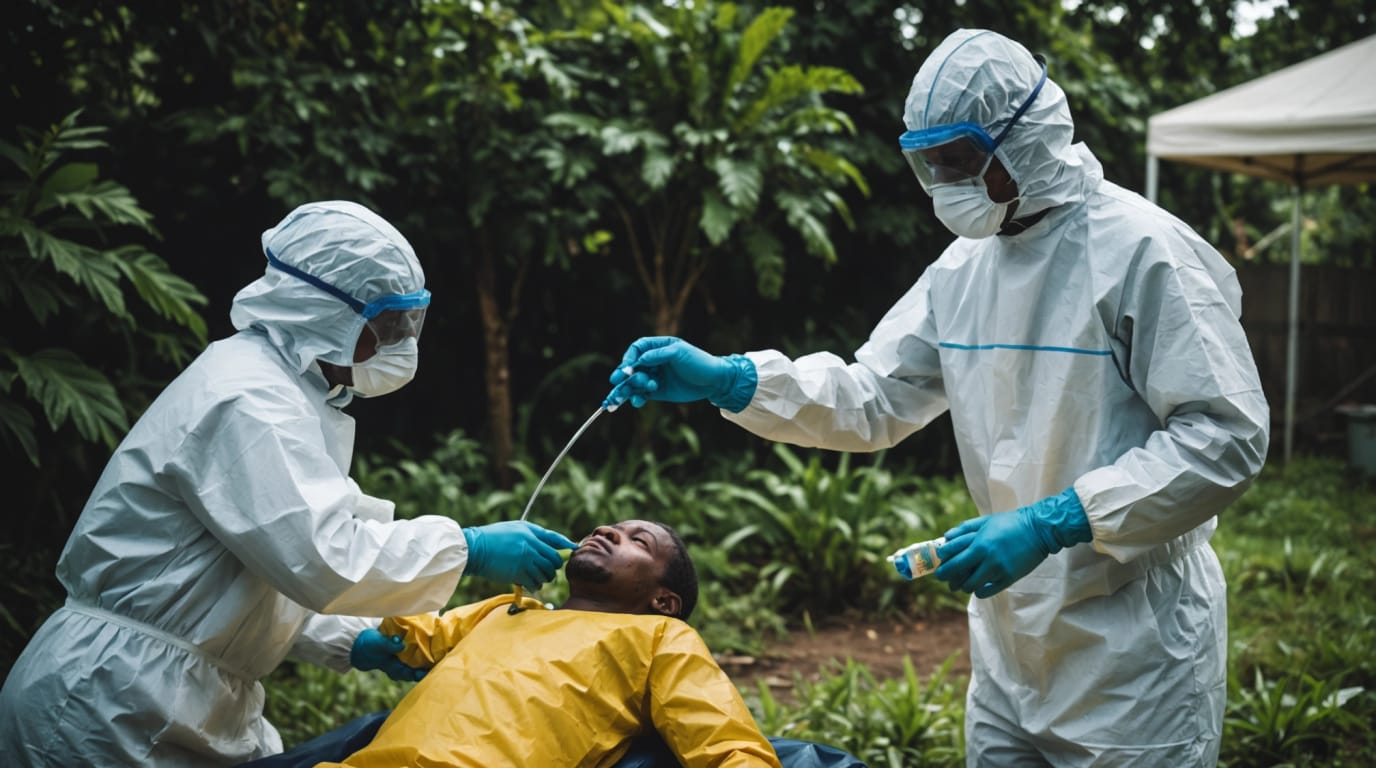
Ebola virus disease, a severe and often fatal illness in humans and other primates, continues to pose a significant public health threat, primarily in sub-Saharan Africa. Characterized by a high mortality rate, ranging from 25% to 90%, Ebola demands a comprehensive understanding of its origins, transmission, symptoms, and available countermeasures.
Origins and Transmission
The Ebola virus was first identified in 1976 during simultaneous outbreaks in Nzara, South Sudan, and Yambuku, Democratic Republic of the Congo, a village near the Ebola River, which lent its name to the disease. The virus belongs to the Filoviridae family, which includes three genera: Cuevavirus, Marburgvirus, and Ebolavirus. Within the Ebolavirus genus, six species have been identified: Zaire, Bundibugyo, Sudan, Taï Forest, Reston, and Bombali. Four of these species – Zaire, Sudan, Bundibugyo and Taï Forest – are known to cause illness in humans.
Ebola viruses are primarily found in sub-Saharan Africa. The virus spreads through direct contact with the blood or body fluids of a person infected with Ebola. It can also spread through contact with contaminated objects, such as needles and syringes, or infected animals.
Symptoms and Progression
Ebola symptoms typically appear between two days and three weeks after infection. Early symptoms often include fever, fatigue, muscle pain, severe headache, and sore throat. As the disease progresses, patients may experience vomiting, diarrhea, abdominal pain, rash, and impaired kidney and liver function. In many cases, the disease leads to internal and external bleeding. Death often results from shock due to fluid loss, typically occurring six to sixteen days after the onset of symptoms.
The Centers for Disease Control and Prevention (CDC) notes that early symptoms can be "dry," including aches, pains, and fatigue. As the illness worsens, it progresses to "wet" symptoms like diarrhea and vomiting.
Diagnosis and Treatment
Diagnosing Ebola involves detecting the virus, its RNA, or antibodies in the blood. Because early symptoms mimic other diseases like malaria, typhoid fever, and meningitis, accurate and timely diagnosis is critical.
Currently, treatment for Ebola primarily involves supportive care. This includes managing symptoms like dehydration, maintaining electrolyte balance, and treating secondary infections. Early initiation of supportive care significantly increases the survival rate. In addition to supportive care, the medication Inmazeb (atoltivimab/maftivimab/odesivimab) is available.
Prevention and Vaccines
Prevention of Ebola relies on coordinated medical services and careful handling of potentially infected materials. Individuals can protect themselves by practicing frequent handwashing with soap and water or using alcohol-based hand sanitizers. It is also crucial to avoid contact with blood and body fluids of infected individuals.
In December 2019, the U.S. Food and Drug Administration (FDA) approved the first Ebola vaccine, providing a crucial tool in combating outbreaks. The vaccine is approved for the prevention of Ebola virus (species Zaire ebolavirus). Experimental vaccines and treatments continue to be developed and tested.
Global Impact and Preparedness
Ebola outbreaks have had devastating consequences, particularly in West Africa. The 2014-2016 outbreak, primarily affecting Guinea, Liberia, and Sierra Leone, resulted in over 11,000 deaths. These outbreaks highlight the importance of global preparedness and rapid response mechanisms to contain the spread of the virus. North Carolina's health care community, like many others, has established protocols to identify and respond to potential Ebola cases.
Conclusion
Ebola virus disease remains a significant threat to global health security. While the development of vaccines and treatments offers hope, continued vigilance, robust public health infrastructure, and international collaboration are essential to prevent and control future outbreaks. Understanding the virus, its transmission, symptoms, and available countermeasures is crucial for healthcare professionals, public health officials, and the general public to effectively combat this deadly disease.