Environmental Catastrophe Looms as Attacks on Iranian Oil Infrastructure Unleash Widespread Pollution
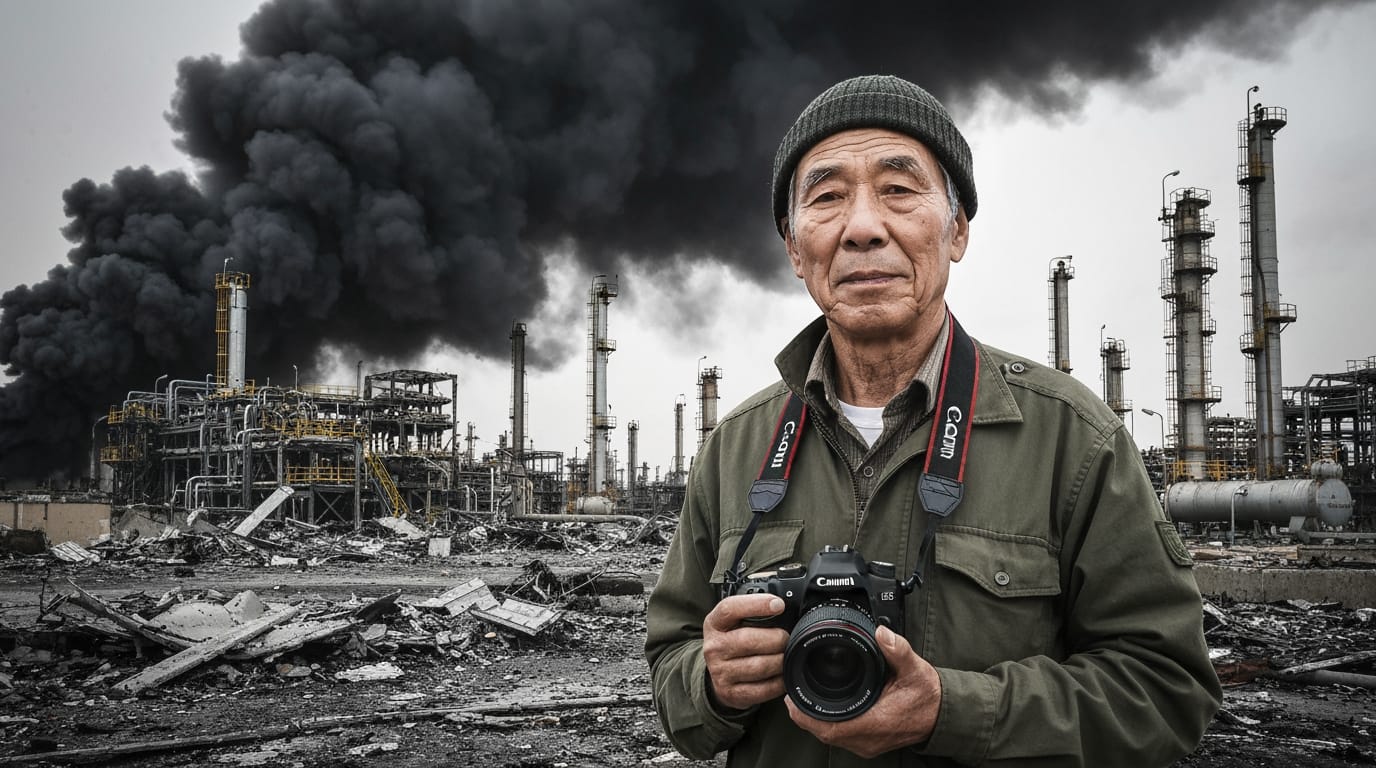
TEHRAN – Recent military strikes on Iran's critical oil infrastructure have ignited grave concerns among environmental and health experts worldwide, who warn of immediate, severe, and long-lasting ecological devastation. The bombing of key fuel depots and refineries around Tehran and other areas has already blanketed cities in toxic plumes and "black rain," leading to urgent public health advisories and fears of an unprecedented regional environmental crisis that could persist for decades.
The attacks, which reportedly targeted numerous oil facilities including depots in Shahran, Shahr-e, Aghdasieh, Karaj, and the Tehran refinery, have prompted the Iranian environmental agency and the Iranian Red Crescent Society to caution residents about toxic chemicals spreading through the air. This unfolding situation underscores a critical intersection of geopolitical conflict and environmental peril, threatening not only human health but also vital ecosystems and the economic stability of the broader Middle East.
Immediate Fallout: Toxic Clouds and Black Rain Over Tehran
In the immediate aftermath of the strikes on March 7 and 8, 2026, residents of Tehran experienced the chilling reality of industrial warfare. Toxic chemicals, including hydrocarbons, sulfur, nitrogen oxides, particulate matter, and volatile organic compounds (VOCs), were released into the atmosphere from burning fossil fuel installations. This confluence of pollutants, combined with a low-pressure weather system, resulted in "black rain" falling across the city, a mixture of soot, fine particulate matter, and acid-forming compounds.
The health consequences were almost instantaneous. Tehranis reported difficulty breathing, headaches, and burning sensations in their eyes and throats. Medical and environmental experts have since detailed the risks of inhaling or touching these toxic substances, warning of severe health impacts, particularly for vulnerable populations such as children, the elderly, and individuals with pre-existing medical conditions. Beyond immediate discomfort, concerns are mounting over long-term effects, including increased risks of respiratory illnesses and cancer-causing agents like benzene and formaldehyde. Iran's deputy health minister confirmed that soil and water supplies around Tehran had already begun to show signs of contamination.
A Broader Ecological Catastrophe in the Making
The environmental ramifications extend far beyond the immediate blast zones and air quality issues. The destruction of oil infrastructure carries the severe threat of extensive soil and water contamination. Unrefined oil has reportedly leaked directly into streets and drains in affected areas, raising alarms about groundwater pollution. Experts highlight that spills from storage tanks and ruptured fuel lines can seep into the ground, creating "dead zones" where plant life struggles to reestablish due to hydrocarbon contamination and heat from fires.
Furthermore, the Persian Gulf, already one of the world's most stressed marine environments, faces an increased risk of catastrophic oil spills. Attacks on oil tankers and coastal facilities could release millions of barrels of crude oil, similar to the 1991 Gulf War when Iraqi forces dumped an estimated 4-6 million barrels into the Gulf, resulting in the largest oil spill in history. The previous spill damaged over 800 km of coastline, impacting delicate ecosystems such as mangrove forests, coral reefs, and fisheries for decades. Marine life, from fish larvae to sea otters and birds, is highly susceptible to the toxic effects of crude oil, leading to significant biodiversity loss through direct mortality, bioaccumulation, and biomagnification up the food chain. The Conflict and Environment Observatory (CEOBS) noted that the consequences of the 1991 spill were still being addressed 25 years later.
Humanitarian and Economic Repercussions Cascade
The destruction of energy infrastructure also triggers a domino effect of humanitarian and economic crises. The World Health Organization (WHO) has warned that damage to petroleum facilities contaminates food, water, and air, posing severe health hazards. Beyond direct contamination, the functionality of essential services is jeopardized. Desalination plants, which provide drinking water to millions across the Gulf region, are particularly vulnerable. Contamination or damage to these facilities could lead to massive water shortages, forcing costly emergency imports and creating significant humanitarian challenges, as seen during the 1991 Gulf War when Kuwait faced months of water scarcity.
Economically, the impact is multifaceted. The Strait of Hormuz, a critical chokepoint for nearly 20% of the world's oil supply, faces significant disruption. Increased risks to shipping have driven up insurance costs and curtailed traffic, contributing to a surge in global oil prices. This economic volatility translates into higher inflation, disrupted supply chains, and potential stagflationary pressures globally. Regionally, the commercial fishing industry, valued at billions annually, could collapse for years if marine ecosystems are contaminated, threatening livelihoods and food security. Coastal tourism and associated industries also face severe long-term damage, with cleanup efforts proving lengthy and expensive. Amnesty International highlighted that attacks on energy infrastructure can have "vast, predictable and devastating civilian harm," potentially violating international humanitarian law and amounting to war crimes.
A Lingering Threat and the Call for Protection
Environmental monitors admit they are struggling to keep track of the escalating environmental disasters stemming from the widening conflict. The environmental consequences of these attacks are not transient; they are expected to persist for years, even decades. Professor Andrea Sella of University College London noted that the explosions expose local populations to a range of undesirable and toxic chemical species, a problem well-known to accompany warfare. The head of Iran's environment department, Shina Ansari, stated that the environment remains the "silent victim" of the war, with the incineration of vast fuel reserves trapping the capital under a suffocating shroud of pollutants.
The current situation in Iran echoes historical precedents where the environment became a casualty of conflict. The burning of Kuwaiti oil wells in 1991 and the Qayyarah oil fields during the fight against ISIL in Iraq led to "Daesh Winters" and widespread respiratory illnesses, soil acidification, and long-term carcinogenic risks. Experts emphasize that the potential for such widespread and enduring harm makes the protection of civilian energy and water infrastructure paramount. The focus must remain on mitigating these predictable environmental and human health catastrophes, acknowledging that the cost of war extends far beyond the battlefield into the very fabric of life and ecosystems.