EU Imposes 21st Sanctions Package on Russia Amidst Divisions and Compromises
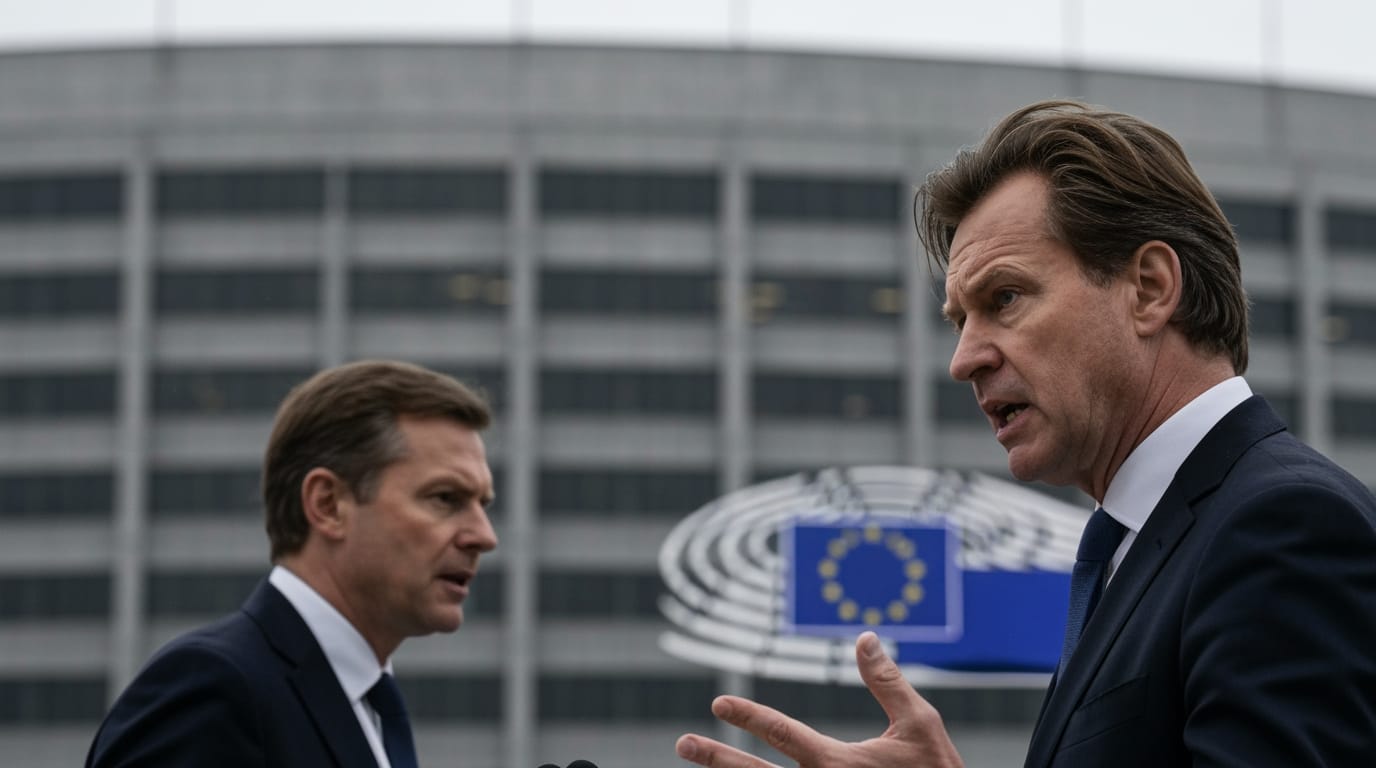
Brussels, Belgium – The European Union on Thursday formalized its 21st package of sanctions against Russia, targeting key sectors of the Russian economy including financial institutions, cryptocurrency operations, and its oil trading infrastructure. The agreement, reached after weeks of intense negotiations and internal disagreements among member states, underscores the bloc's continued efforts to diminish Moscow's capacity to finance its ongoing military actions in Ukraine. European Commission President Ursula von der Leyen asserted that these sanctions aim to further weaken the economic foundations of Russia's war machine as Ukraine demonstrates military momentum.
The approval of the latest restrictive measures on July 23, 2026, marks another significant step in the EU's evolving sanctions strategy, which began in response to Russia's 2014 annexation of Crimea and escalated following the full-scale invasion of Ukraine in February 2022. While designed to exert maximum pressure on Russia, the protracted discussions leading to this package highlighted persistent challenges in maintaining unanimous consent across the 27-member bloc, necessitating several compromises.
Targeting Financial Lifelines and Energy Trade
A central component of the 21st sanctions package is the imposition of measures against 32 additional Russian banks, integrating them into the EU’s transaction ban list. This move expands the already extensive financial restrictions placed on Russia, which have seen approximately 70% of the assets of the Russian banking system fall under sanctions. Furthermore, the new package extends its reach to cryptocurrency companies and Russian oil trading platforms, aiming to close potential avenues for circumventing existing financial controls and revenue streams.
In a notable decision, the EU has also suspended for one year its planned review of the price cap on Russian oil, currently set at $44.1 per barrel. This suspension is intended to prevent Russia from benefiting from potential market-driven oil price increases, thereby maintaining financial pressure on its energy exports. The effectiveness of such price caps and oil import bans has been a critical focus, with previous measures, like the December 2022 ban on seaborne crude oil, significantly impacting Russia's fossil fuel revenues.
Cracking Down on Circumvention and Shadow Operations
Beyond direct financial and energy sector targeting, the new sanctions also address Russia's "shadow fleet" of vessels, which Moscow has increasingly utilized to circumvent Western restrictions on oil transportation. By imposing measures on these vessels and associated oil trading platforms, the EU seeks to disrupt Russia's ability to maintain its export volumes outside the established price cap mechanisms. This emphasis on circumvention aligns with previous sanction packages, such as the 11th package adopted in June 2023, which specifically focused on preventing the bypass of EU bans on dual-use goods and advanced technologies. That earlier package, for example, introduced a full ban on the transport of goods into the EU by trucks with Russian trailers or semi-trailers, irrespective of the hauling vehicle's registration.
The focus on circumvention reflects a broader understanding within the EU that Russia has adapted to previous restrictions through import substitution and by reorienting trade towards non-EU partners. The continuous tightening of sanctions, therefore, increasingly targets these adaptive strategies to ensure the restrictive measures retain their intended impact.
Political Divisions and Strategic Compromises
The path to the 21st sanctions package was fraught with internal disagreements, requiring extensive diplomacy to secure consensus. Greece, for instance, initially held up the agreement, eventually lifting its veto after securing permission to continue transporting Russian liquefied natural gas (LNG) to third countries. This compromise underscores the delicate balance the EU must strike between maintaining unity on its foreign policy objectives and addressing the specific economic interests and concerns of its member states. Similarly, earlier objections from Bulgaria and Italy regarding the inclusion of certain individuals, such as Patriarch Kirill of the Russian Orthodox Church, were resolved prior to the final agreement.
The package is notably described as "scaled-back" due to these compromises, particularly concerning the oil price cap, which will be maintained rather than tightened as initially proposed. Despite the adjustments, the European Union maintains that these new sanctions will continue to exert economic and political pressure on Moscow, reinforcing the bloc's sustained support for Ukraine.
Broader Impact and Ongoing Debate
The EU's extensive sanctions regime has had a demonstrable impact on the Russian economy. Reports indicate a significant reduction in Russia's ability to finance its military actions, with hundreds of billions in Russian Central Bank reserves blocked and substantial declines in trade. For example, Russia's oil revenues reportedly dropped by over a quarter in January 2023 compared to the previous year, with a further significant drop in February. Economic indicators from institutions like the IMF and World Bank have also pointed to a contraction in Russian GDP and a general downturn in its foreign trade following the imposition of sanctions.
However, the effectiveness and collateral effects of sanctions remain a subject of ongoing debate. Critics have pointed to inflationary effects within the EU itself, impacting member states' economies and consumer purchasing power. There are also concerns that Russia has increasingly diversified its trade relationships, turning to countries like China and India for both imports and exports, potentially mitigating some of the long-term impacts of Western restrictions. Despite these complexities, the EU views sanctions as a crucial instrument for exerting economic pressure and promoting its interests in the international arena, particularly given its limited military power.
Conclusion
The adoption of the EU's 21st sanctions package against Russia on July 23, 2026, reaffirms the bloc's commitment to leverage economic tools in response to the conflict in Ukraine. By targeting financial institutions, cryptocurrency platforms, oil trading, and the shadow fleet, the EU aims to constrict Russia's economic capacity and undermine its war efforts. While internal negotiations required compromises, leading to a "scaled-back" version of some proposed measures, the continued imposition of sanctions signals a sustained resolve to maintain pressure on Moscow. The long-term implications for both Russia's economy and the dynamics of global trade, as well as the ongoing debate about the sanctions' full effectiveness and their impact on the EU itself, will continue to be closely monitored.