EU Unveils Plan to Boost Wine Sales Amidst Global Tariff Tensions
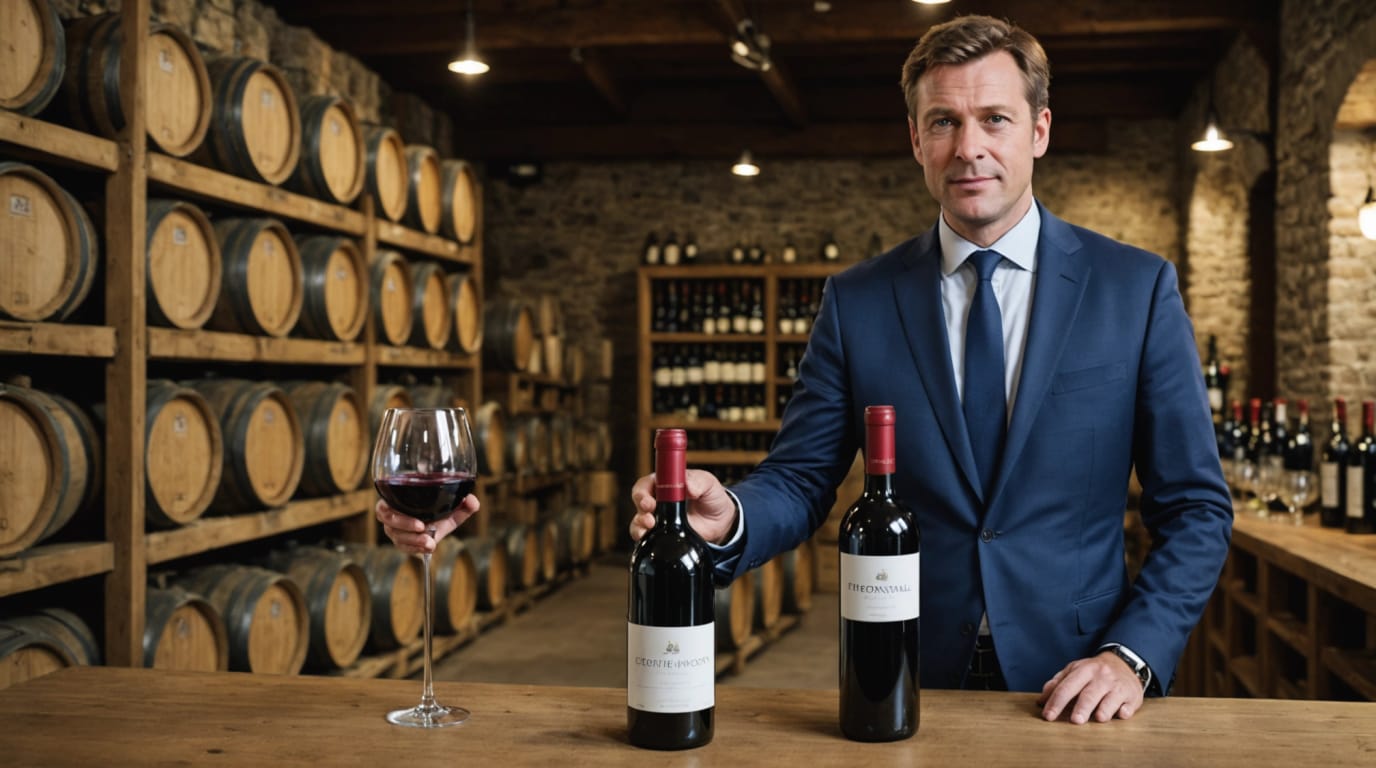
Brussels, Belgium - The European Union is formulating a strategy to bolster wine sales both within the bloc and internationally, as the industry grapples with the combined challenges of existing trade disputes and potential new tariffs. The plan aims to mitigate the impact of these external pressures while capitalizing on emerging market opportunities, particularly in Asia.
The move comes as the EU faces a complex web of trade relations, including ongoing disagreements with the United States and efforts to diversify its economic partnerships. The wine industry, a significant contributor to the EU economy, has found itself caught in the crosshairs, prompting the need for proactive measures to safeguard its interests.
Navigating the Tariff Landscape
The EU's wine sector is currently navigating a turbulent tariff environment. Tensions with the U.S., particularly during the previous administration, saw threats of significant tariff hikes on European wines in response to EU tariffs on American whiskey. While those threats have somewhat subsided, the possibility of renewed trade friction remains a concern.
Furthermore, the EU is actively engaged in negotiations with India to lower tariffs on key European exports, including wine and spirits. A senior EU official stated that the Indian market remains "relatively closed" to these products, hindering trade opportunities. The EU views reducing these barriers as crucial to strengthening economic ties with India and reducing reliance on China.
Targeting Growth in India
India presents a significant growth opportunity for the EU wine industry. While wine consumption in India remains relatively low compared to spirits and beer, the market is expanding, driven by a growing middle class. Data indicates that per capita wine consumption in India was just 0.026 liters per person per year in 2022. However, the Indian wine market is projected to grow from just under $197 million in 2022 to more than $700 million by 2030. The EU hopes that lowered tariffs will allow European wines to gain a stronger foothold in this burgeoning market.
De-Risking and Diversification
The EU's strategy to boost wine sales is also intertwined with its broader "de-risking" strategy, which aims to diversify supply chains and reduce reliance on China. Strengthening economic ties with countries like India is a key component of this approach. By fostering trade relationships with a wider range of partners, the EU seeks to mitigate the risks associated with over-dependence on any single market.
Internal Market Focus
Beyond external markets, the EU plan also emphasizes strengthening the internal market for wine. This includes initiatives to promote wine consumption within the EU, support producers, and address challenges such as climate change, which is increasingly impacting wine production regions. Specific measures may include marketing campaigns, support for sustainable winegrowing practices, and investments in research and innovation.
Industry Concerns
Despite the EU's efforts, the wine industry remains wary of the potential for further trade disruptions. The Comité Européen des Entreprises Vins (CEEV), an organization representing the majority of European wine producers, has urged the EU to exclude wine from retaliatory tariffs in trade disputes, arguing that the sector should not be used as a bargaining chip in unrelated conflicts. The CEEV warns that retaliatory tariffs could lead to economic instability, job losses, and increased prices, ultimately harming both businesses and consumers.
Conclusion
The EU's plan to boost wine sales reflects a proactive approach to navigating the challenges and opportunities facing the industry. By addressing tariff barriers, targeting growth markets, and strengthening the internal market, the EU aims to ensure the long-term viability and competitiveness of its wine sector. However, the success of this plan will depend on the EU's ability to manage trade relations effectively and address the concerns of industry stakeholders. The coming months will be crucial as the EU continues its trade negotiations and implements its strategy to support the wine industry amidst global economic uncertainty.