European Fans Challenge FIFA's World Cup Ticket Pricing, Allege Monopoly Abuse at EU
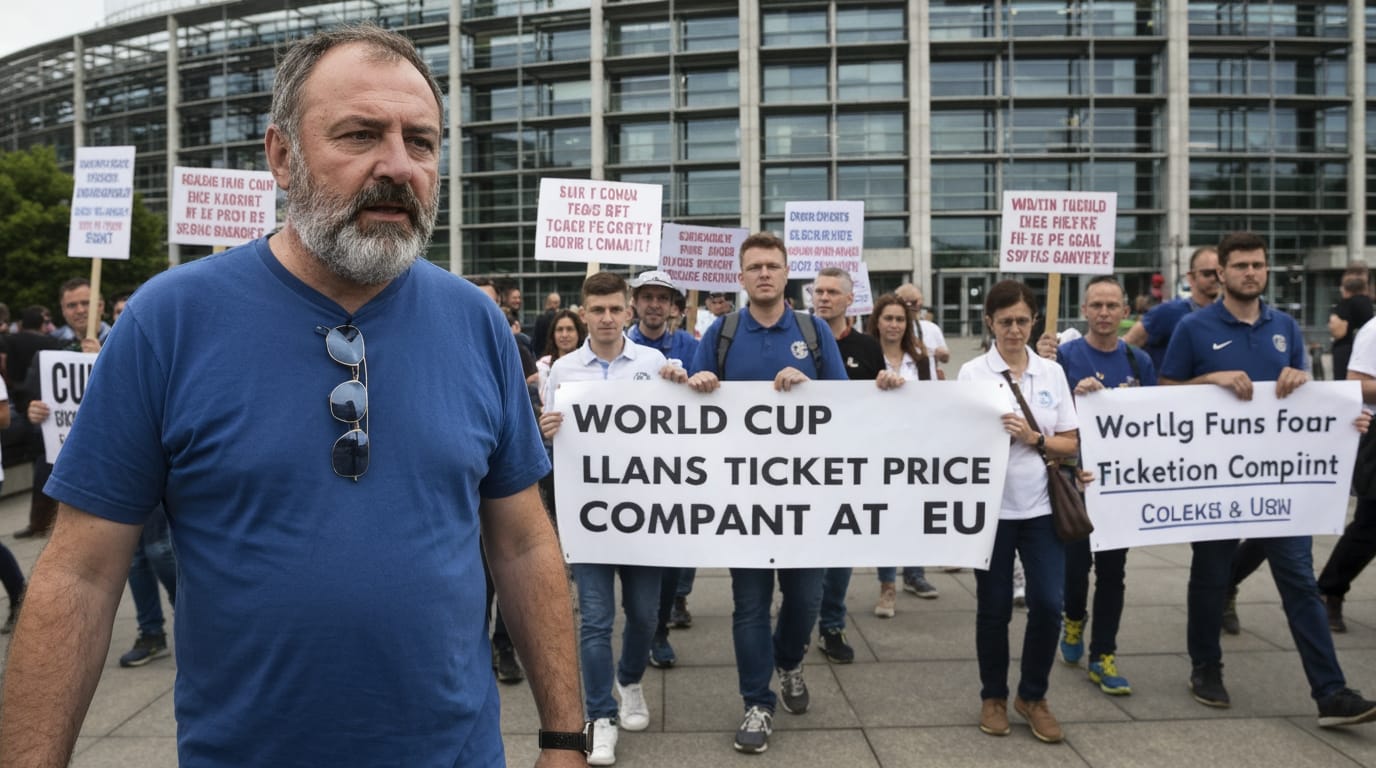
BRUSSELS, Belgium – A broad coalition of European football fan and consumer rights organizations has formally lodged a complaint with the European Commission against FIFA, alleging that the global football governing body has leveraged its monopolistic control over ticket sales for the upcoming 2026 World Cup to impose exorbitant prices and engage in unfair, opaque sales practices. The joint action, spearheaded by Football Supporters Europe (FSE) and Euroconsumers, demands immediate intervention from the EU's executive arm to protect millions of fans from what they describe as exploitative behavior ahead of the highly anticipated tournament in the United States, Canada, and Mexico.
The complaint, filed on March 24, 2026, accuses FIFA of breaching EU consumer law and Article 102 of the Treaty on the Functioning of the European Union, which prohibits the abuse of a dominant market position. This unprecedented move signals a growing frustration among supporters who feel increasingly priced out of attending the sport's showpiece event. With final tickets reportedly starting at over $4,000, and previous promises of affordable access largely unfulfilled, fans are calling for regulatory oversight to restore fairness and transparency to the ticketing process.
Soaring Prices and Unfulfilled Promises
At the core of the fan groups' grievance are what they describe as "sky-high" ticket prices that have significantly outpaced previous World Cups and other major tournaments. For instance, the cheapest openly available final tickets for the 2026 World Cup are listed at $4,185, representing more than a seven-fold increase compared to the most affordable final tickets for the 2022 World Cup in Qatar. To further illustrate the disparity, the cheapest final tickets for the UEFA Euro 2024 tournament were priced at a mere €95, approximately $100.
The disparity is particularly stark when contrasted with FIFA's own projections. The initial bid documents for the 2026 tournament reportedly estimated an average ticket price of $1,408, a figure that fan organizations assert has been "far left behind" by current offerings. While FIFA did announce a "Supporter Entry Tier" of $60 tickets for all 104 matches following widespread criticism in December 2025, these were highly limited, comprising only 10% of each national federation's allotment. Fan groups contend that these cheaper tickets were so scarce that the entire Category 4 inventory was largely sold out before general public sales even commenced, rendering the advertising of these prices as misleading "bait advertising," a practice deemed illegal under EU consumer law.
Questionable Sales Tactics and Lack of Transparency
Beyond the sheer cost, FSE and Euroconsumers have meticulously identified six specific abuses of FIFA's market dominance that they argue systematically disadvantage European fans. These include the implementation of "uncontrolled dynamic pricing," where ticket costs fluctuate without warning or clear explanation. Some ticket prices reportedly surged by as much as 25% between sales phases, leaving fans uncertain of the final cost until they were already in the purchasing queue. This lack of a transparent pricing cap is a significant point of contention.
Furthermore, the complaint highlights a pervasive "structural lack of transparency" in the ticketing process. Fans often face purchasing tickets without guaranteed seat locations, stadium maps, or even confirmed knowledge of which teams will be playing. Crucially, the right to a refund under these opaque conditions is often limited or non-existent. This opacity extends to the secondary market, where FIFA actively discourages external resale platforms, instead funnelling fans to its own official marketplace. On this platform, both the buyer and seller are subjected to a 15% fee, significantly inflating the overall cost. Shockingly, reports indicate that some Category 3 seats for the final have been advertised on FIFA's resale site for as much as $143,750, a staggering 41 times their original face value of $3,450. The fan groups also lament FIFA's alleged "failure to engage in meaningful consultation" with stakeholder organizations regarding its ticketing policies.
The European Commission's Role and Demands for Action
The formal complaint argues that FIFA's control over World Cup ticket sales constitutes a clear monopoly, and its current practices exploit this position in violation of EU competition rules. Ronan Evain, Executive Director at Football Supporters Europe, emphasized that after months of urging FIFA to reconsider its "aggressive and exploitative ticketing policies," the lack of engagement left fan groups with no alternative but to escalate the matter to the European Commission. Marco Scialdone, Head of Litigation at Euroconsumers, further stated that while "football is a universal passion," FIFA is "treating it like a private luxury" by imposing opaque pricing and exorbitant resale fees.
The fan and consumer groups are urging the European Commission to take swift action, calling for immediate interim measures to halt these practices before the 2026 tournament commences. Specifically, they demand that the Commission order FIFA to:
- Immediately cease using dynamic pricing for all tickets sold to fans within the European Economic Area (EEA) for the remainder of the 2026 World Cup.
- Freeze ticket prices for the upcoming April sales phase at the levels FIFA itself announced in December 2025.
- Publish, at least 48 hours prior to the April sales window opening, clear details on the number of tickets remaining in each category and their precise locations within the stadiums.
- Ensure that consumers' rights are respected in both the primary and secondary ticketing markets.
The European Commission's Directorate-General for Competition has a window of 18 months to investigate such antitrust filings and possesses the authority to issue interim remedies if it finds prima facie evidence of harm.
FIFA's Defense Amidst Mounting Criticism
In response to the growing criticism, FIFA President Gianni Infantino has consistently defended the organization's ticketing strategy, attributing the high prices to "unprecedented demand." Infantino highlighted that for the approximately 6 to 7 million tickets available for the 2026 World Cup, FIFA received a staggering 150 million requests within just 15 days, equating to 10 million requests daily. He emphasized that revenues generated from the World Cup are reinvested back into the development of football globally.
FIFA also points to the expanded 48-team format of the 2026 tournament, which will feature 104 matches across three host nations, as a contributing factor to the premium pricing. The organization argues that this larger scale and the necessity of catering to diverse markets justify the current pricing structure. While the introduction of the $60 "Supporter Entry Tier" was presented as a measure to ensure accessibility, fan groups argue that its limited availability rendered it largely ineffective for the majority of fans.
The complaint to the European Commission marks a critical juncture in the ongoing debate over World Cup accessibility. It highlights a fundamental tension between FIFA's commercial objectives and the aspirations of dedicated fans worldwide. As the European Commission begins its review, the outcome could set a significant precedent for the future of ticketing in major international sporting events, potentially reshaping how global sports bodies engage with their most vital stakeholders: the supporters. The resolution of this complaint will determine whether the "universal passion" of football remains accessible or increasingly becomes a luxury beyond the reach of ordinary fans.


