European Union and China Reach Preliminary Agreement on Vehicle Exports
The interim pact aims to ease bilateral trade friction by cutting prospective Chinese car shipments to Europe and lowering barriers for European goods.
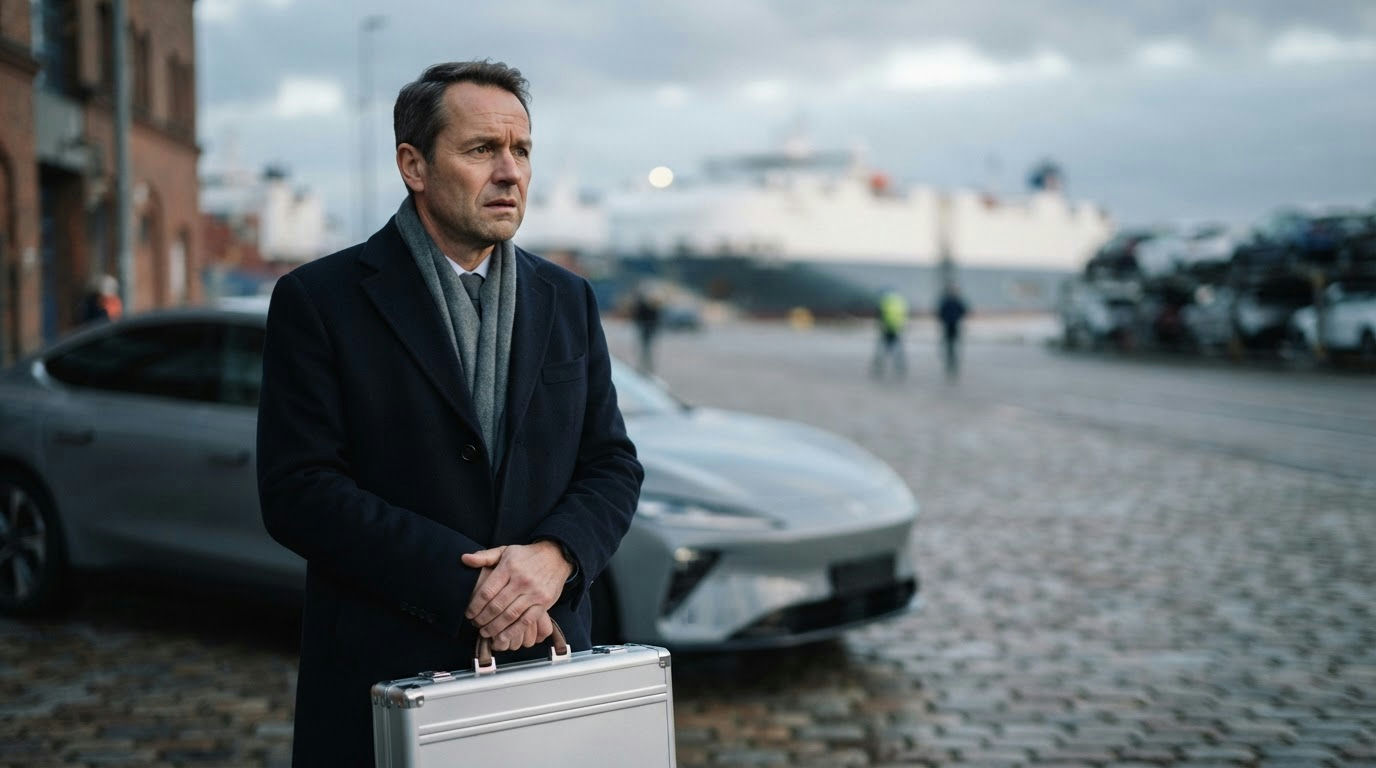
The European Union and China reached a preliminary deal in Beijing to moderate Chinese exports of hybrid and plug-in hybrid vehicles. European Commissioner for Trade and Economic Security Maroš Šefčovič announced the interim agreement following two days of bilateral talks.
The four-year arrangement aims to prevent several million Chinese cars from entering the European market. Associated Press reported the deal could reduce imports of Chinese electric and plug-in hybrid cars by up to 50%. Reuters, The Guardian, and Euronews reported the reduction exceeds 50% specifically for hybrid and plug-in hybrid models.
China agreed to lower import tariffs on about 4 billion euros in European exports, including car parts, olive oil, and footwear. Šefčovič estimated the tariff cuts will save European companies at least 225 million euros. Beijing also agreed to speed up export licenses for rare earths and permanent magnets through an expedited channel.
The Chinese Commerce Ministry stated both sides will observe rules on company price undertakings, which could set minimum import prices. European Union data shows plug-in hybrid imports rose 86% in the year to September 2026 as prices fell 20%. Chinese vehicles accounted for more than half of those shipments.
EU records show the bilateral trade deficit with China exceeds 1 billion euros a day. Associated Press reported China's 2025 trade surplus with the EU reached 360 billion euros. Reuters cited UN Comtrade figures showing 2025 Chinese shipments of 560 billion dollars against 268.3 billion dollars in EU exports.
Tensions grew after Brussels placed duties on Chinese battery-electric vehicles in 2024 while leaving hybrids unpenalized. Beijing answered with trade probes into European brandy, dairy, and pork. Days before the Beijing talks, France and Germany urged the European Commission to take decisive action against Chinese industrial overcapacity.
Šefčovič said the deal marks a vital first step in rebalancing trade. He noted China consented to curb exports without prior EU trade investigations. Chinese Commerce Minister Wang Wentao told Šefčovič that China is a partner in addressing European economic difficulties rather than their root cause.
European Automobile Manufacturers' Association Director General Sigrid de Vries said the agreement appears to avert further market instability. Bernd Lange, head of the European Parliament’s trade committee, urged the EU to keep strong defense measures. He said the arrangement should expand to other sectors.
Šefčovič will brief EU member state ambassadors in Brussels before national leaders review the terms at a summit. The two sides scheduled a ministerial video conference in January. They also set a third formal round of trade consultations for March to evaluate implementation.