European Union Enacts Sweeping Ban on BPA in Food Packaging Amid Mounting Health Concerns
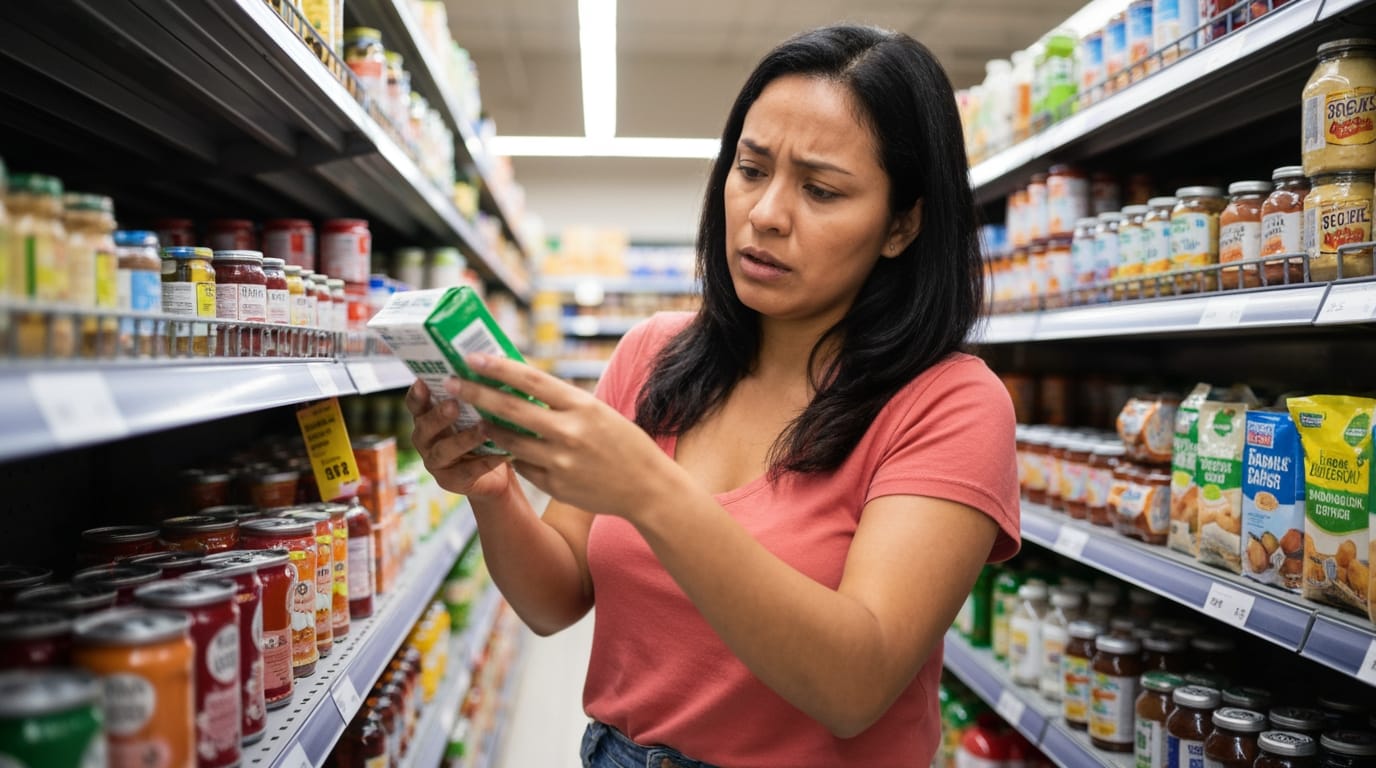
Brussels, Belgium – The European Union has implemented a comprehensive ban on Bisphenol A (BPA) and its related hazardous derivatives in all food contact materials, a landmark decision set to take full effect from January 20, 2025. This decisive action underscores the EU’s commitment to public health, following years of escalating scientific evidence linking the chemical to a range of adverse health effects. The new regulation mandates the removal of BPA from a vast array of products, from can linings to reusable plastic bottles, marking a significant shift in food safety standards across the continent.
The Health Imperative Behind the Ban
Bisphenol A, a synthetic chemical widely used for decades, primarily in the production of hard, rigid polycarbonate plastics and epoxy resins, has been a staple in countless consumer goods. It provides strength and transparency to products like reusable drinking bottles and food containers and forms protective linings in metal food and beverage cans. However, BPA is not merely a structural component; it is also an endocrine disruptor, capable of interfering with the body's hormonal system.
Concerns about BPA’s impact on human health have grown steadily, with scientific studies pointing to its potential to damage fertility, affect reproductive function, cause allergic skin reactions, and irritate the respiratory system. Research has also linked BPA exposure to developmental delays in children, hormonal imbalances, and even adverse effects on the immune system. Evidence suggests that BPA can migrate from packaging into food and beverages, particularly when plastics are heated, reused, or exposed to acidic or fatty contents.
A pivotal moment leading to the ban was the European Food Safety Authority's (EFSA) revised assessment in April 2023. This critical re-evaluation drastically reduced the tolerable daily intake (TDI) of BPA by an astounding 20,000 times compared to its previous assessment, lowering it to a mere 0.2 nanograms per kilogram of body weight per day. This revised TDI highlighted that current levels of BPA exposure posed a significant health risk to all age groups, a conclusion further reinforced by data indicating that 92% of adults across 11 European countries had BPA levels in their urine exceeding these new safety thresholds.
A Decade of Growing Restrictions
The EU's journey toward a comprehensive BPA ban has been a gradual process, reflecting an evolving understanding of the chemical's risks. The first significant step came in 2011, when the European Commission prohibited BPA in the manufacture of polycarbonate infant feeding bottles, a measure driven by a precautionary principle to protect infants and young children. This initial restriction expanded in 2018, with stricter limits introduced for BPA in other food contact materials and a ban on its use in plastic bottles and packaging for babies and children under three years old. By January 2020, BPA was also banned from thermal paper receipts.
These incremental steps laid the groundwork for the more sweeping ban. The scientific consensus solidified over time, with the European Chemicals Agency (ECHA) classifying BPA as a hazardous chemical due to its endocrine-disrupting properties and its ability to damage fertility. The European Commission's proposal for a full ban in February 2024, followed by endorsement from EU member states in June 2024 and official approval in December 2024, culminated in Regulation (EU) 2024/3190, which formally established the prohibition.
Scope and Implementation: What Changes?
The new regulation is extensive, covering BPA, its salts, and other hazardous bisphenol derivatives used in a wide array of food contact materials. This includes, but is not limited to, adhesives, rubbers, ion-exchange resins, plastics, printing inks, silicones, varnishes, and coatings. The ban specifically targets materials like the epoxy resins lining metal cans, durable plastics used in reusable beverage bottles, and various kitchenware items.
While the full ban takes effect on January 20, 2025, the regulation incorporates transitional periods to allow industries to adapt and prevent disruptions to the food supply chain. Single and repeat-use food contact articles manufactured before this date, and complying with previous rules, may still be placed on the market until July 20, 2026. A longer, 36-month transition period, extending until January 20, 2028, applies to single-use final food contact articles using BPA-based varnishes and coatings, specifically for packaging designed to preserve fruits, vegetables, and processed fish products.
Limited exemptions are also in place for critical applications where safe alternatives are currently unavailable. These include the use of BPA in plastic filtration membranes necessary to ensure the microbiological safety of certain foods, and in epoxy resins for large-capacity food containers exceeding 1,000 liters. These exceptions are subject to strict conditions and continuous review to ensure minimal consumer exposure. Compliance and verification measures will be stringent, requiring testing to ensure BPA residuals are "not detected" and mandating declarations of compliance throughout the supply chain.
Industry Adaptation and Consumer Impact
The ban presents both challenges and opportunities for manufacturers and distributors within the food contact materials industry. Companies are now tasked with innovating and reformulating their products to comply with the new standards, moving towards BPA-free alternatives. This shift necessitates investment in research and development, potentially leading to new materials and technologies. While the transition periods aim to ease the burden, the need for rapid adaptation is pressing to avoid regulatory penalties and reputational damage.
For consumers, the ban signifies an enhanced level of food safety and greater peace of mind regarding the chemicals in their everyday products. The market is expected to see an increase in clearly labeled "BPA-free" products, which will help guide purchasing decisions. While the immediate impact on product availability or pricing remains to be fully seen during the transition, the long-term benefit is a reduced exposure to a chemical proven to pose health risks. Glass jars and polypropylene (PP) are highlighted as inherently BPA-free alternatives for consumers seeking immediate changes.
A Health-First Approach to Chemical Regulation
The European Union's comprehensive ban on BPA in food contact materials represents a significant victory for public health advocacy and a robust demonstration of a health-first approach to chemical regulation. This move solidifies the EU's position as a global leader in environmental and consumer safety, setting a precedent that may influence regulatory bodies worldwide.
The regulation, born from rigorous scientific assessment and years of policy debate, reflects an ongoing commitment to protecting citizens from harmful substances. While the transition may pose adjustments for industry, the overarching goal of safeguarding public health from endocrine-disrupting chemicals like BPA underscores the long-term benefits of this progressive regulatory action. The EU continues to monitor and evaluate other bisphenols and their derivatives, signaling a sustained effort to ensure the safety of food contact materials in the future.