European Union Leaders Back Ukraine After Falling Out With United States
European leaders pledged aid to Kyiv as disputes over Russian oil strikes, energy deals and satellite access fractured relations between Ukraine and Washington.
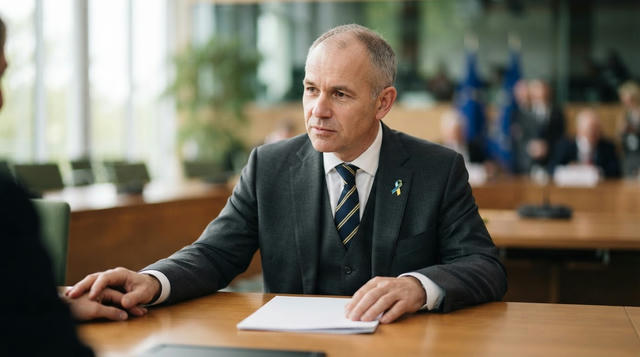
Ukrainian President Volodymyr Zelenskyy met European Union leaders in Brussels on October 16, 2026, to request military, budgetary, and air defense aid ahead of winter. The talks followed a diplomatic dispute between Kyiv and Washington over strikes on Russian oil refineries and disruptions to satellite services.
European Commission President Ursula von der Leyen and European Council President António Costa hosted the Ukrainian delegation and affirmed their backing. Zelenskyy said Ukraine faces a 27 billion dollar military spending deficit this year. He asked for up to 70 billion euros in European aid toward projected war costs of 155 billion euros next year.
The summit followed Russian drone and missile strikes on Ukrainian power grids. In the Volyn region, the BBC reported 270,000 households without electricity, while Reuters reported 370,000 people lost power. For attacks on Kharkiv, Reuters reported three dead, whereas CBC reported two dead and 12 injured, citing Governor Oleh Syniehubov.
Tensions with the United States increased after U.S. President Donald Trump agreed to buy Russian diesel and announced an energy ceasefire. Ukraine exited the truce after Russian attacks continued and launched strikes against Russian oil sites, including the Ryazan refinery. Trump told Newsmax that Ukrainian attacks on Russian refineries were a disgrace that raised global fuel prices.
At the summit, Zelenskyy accused SpaceX of deliberately slowing Starlink terminals, adding that disruptions persisted across battlefields and cities. EU foreign policy chief Kaja Kallas said Starlink was indispensable and acknowledged Europe could not replace the system in the short term. Estonian Prime Minister Kristen Michal stated that Europe would likely need to issue a new loan.
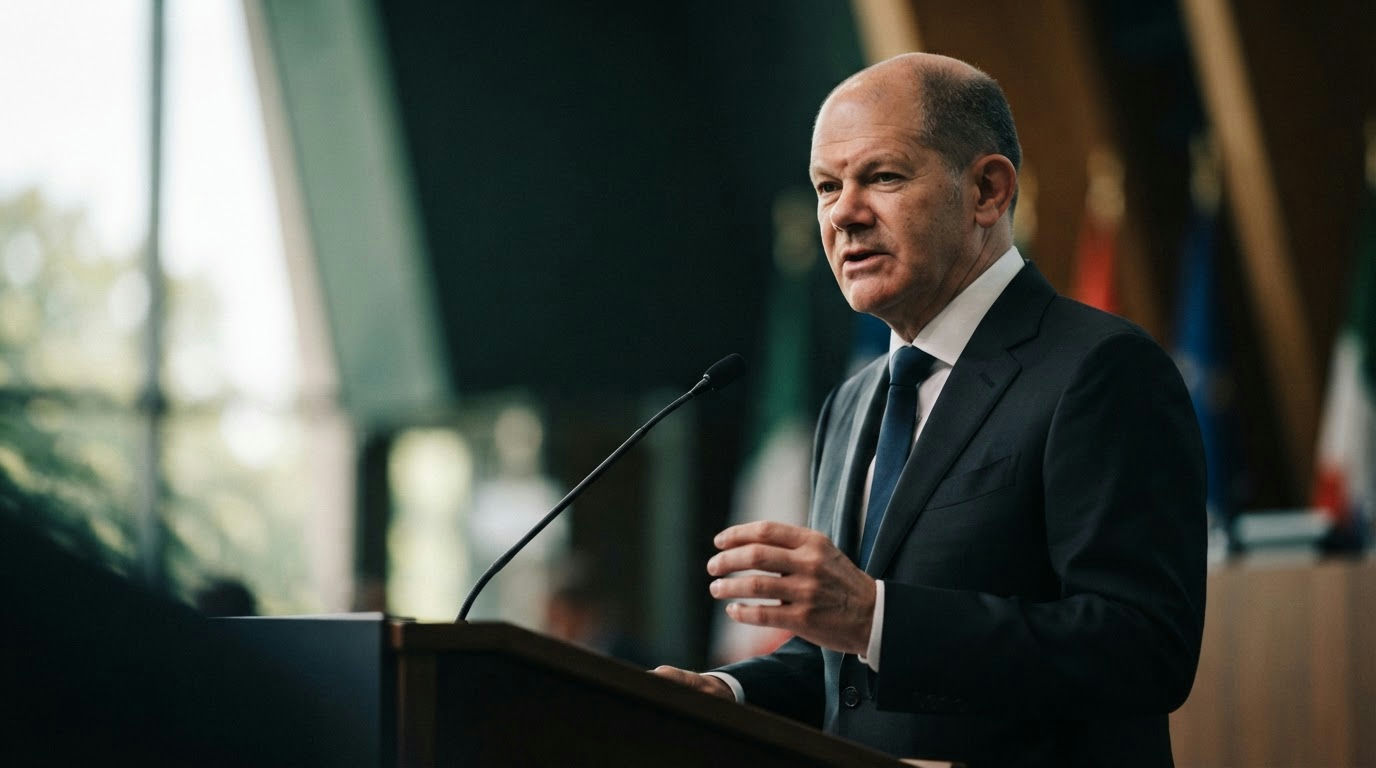
Von der Leyen said Russia failed to respect the energy ceasefire for a single minute. She affirmed that the EU would not lift sanctions until Russian aggression stopped. Costa similarly stated that it was not time to offer sanctions relief to Moscow and maintained that European support remained strong.
The European Union is now preparing a 22nd sanctions package against Russia. Member states are also negotiating financial mechanisms, including EU-backed loans, to address Ukrainian budget deficits through 2027. Ukraine plans to finish two final negotiation clusters before the end of the year to meet European integration benchmarks.