Feline Cancer Breakthroughs Offer New Hope for Human Oncology
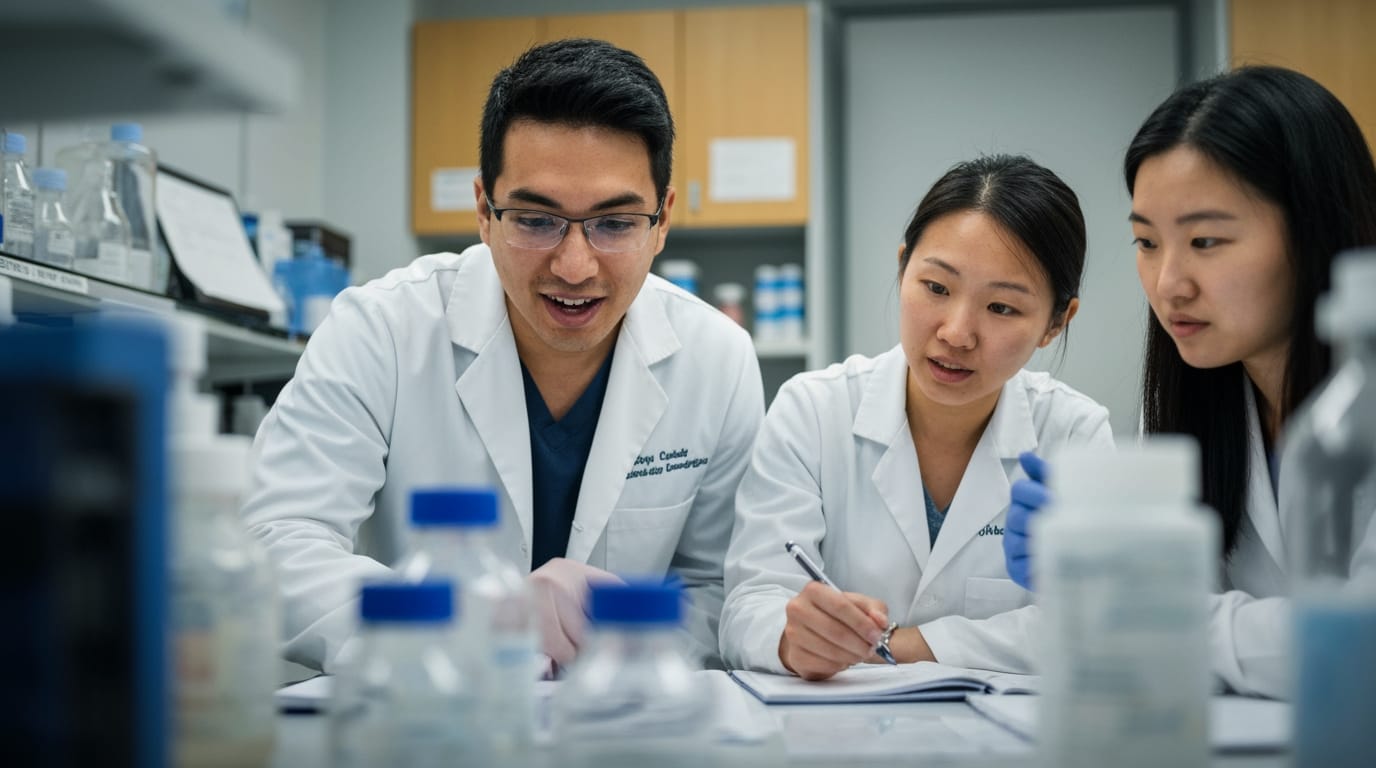
International research unveils comprehensive genetic map of cat cancers, highlighting parallels with human disease and accelerating development of targeted therapies.
A groundbreaking international study has decoded the complex genetic landscape of feline cancers, revealing striking similarities to human malignancies and opening new avenues for translational research that could benefit both species. Published on February 19, 2026, in the journal Science, this monumental effort provides the first large-scale genetic map of cancer in domestic cats, marking a significant leap forward in understanding the fundamental mechanisms driving these devastating diseases. Researchers believe that insights gained from studying naturally occurring cancers in cats could accelerate the development of novel diagnostics and treatments for humans, reinforcing the "One Health" approach to medicine.
Unlocking the Feline Oncogenome
The landmark study, spearheaded by an international consortium including experts from the Wellcome Sanger Institute and Cornell University's College of Veterinary Medicine, analyzed DNA from 493 tumor tissue samples representing 13 different types of feline cancer. By comparing these samples with healthy control tissues, the team meticulously characterized the "oncogenome" of domestic cats, identifying key genetic alterations and driver genes responsible for tumor development. Dr. Louise Van Der Weyden of the Wellcome Sanger Institute, a senior author of the study, emphasized that this research transforms feline oncology, moving it beyond a "black box" and paving the way for precision treatments tailored to specific genetic mutations. The availability of a high-quality reference genome for cats was a crucial enabler for these detailed investigations.
A particularly significant finding was the discovery of striking genetic similarities between malignant feline mammary tumors and certain subtypes of human breast cancer. This shared molecular architecture suggests that new, effective treatments developed for one species could be directly transferable to the other. The study also identified common oncogenes, such as TP53, that are prevalent in both feline and human cancers. This detailed genetic blueprint not only enhances the understanding of cancer in cats but also provides invaluable comparative data for human cancer research.
The Power of Comparative Oncology
The field of comparative oncology studies naturally developing cancers in animals as models for human disease, recognizing that companion animals like cats and dogs share many environmental risk factors with their human companions. Cats, in particular, present a uniquely valuable model for certain human cancers. They develop spontaneous tumors in an immunocompetent system, mirroring the complex interplay of genetics, environment, and immune response seen in human patients. Moreover, the shorter lifespan of cats allows for more rapid completion of clinical trials and data collection, potentially accelerating the identification of promising therapies.
While dogs have traditionally been a primary focus in comparative oncology, recent advancements in feline genomics have underscored the cat's critical role. Experts highlight specific feline cancers as particularly strong models for human conditions: oral squamous cell carcinoma (SCC) in cats shares clinical and molecular features with human head and neck cancer, and aggressive feline mammary tumors often exhibit a "triple-negative" phenotype more common than in humans, offering an enriched population for studying new targets and treatments. The insights gleaned from feline models can complement or even surpass those derived from conventional mouse models, which often fail to accurately predict drug behavior in humans due to induced tumors or xenografted human cell lines in immunodeficient rodents.
Bridging the Translational Gap: A New Therapy in Action
The promise of comparative oncology is already manifesting in tangible therapeutic advancements. A separate, but equally significant, study published in late 2025 showcased a promising new treatment for feline head and neck squamous cell carcinoma (HNSCC) that holds considerable implications for human patients. This targeted therapy, initially conceived for human head and neck cancers, zeroes in on the STAT3 transcription factor, a protein that is hyperactivated in nearly three-quarters of human tumors and notoriously difficult to inhibit.
The clinical trial, involving 20 pet cats diagnosed with HNSCC, demonstrated that the drug successfully controlled the disease in 35% of the animals, with minimal side effects. For cats like Jak, a nine-year-old domestic shorthair given only weeks to live, the treatment led to a significant extension of life and an improved quality of life. Dr. Daniel Johnson and Dr. Jennifer Grandis of the University of California, San Francisco (UCSF), key authors of this research, noted that the trial underscored the potential of pets with cancer to serve as superior models for predicting drug efficacy in humans. The success in feline patients provides critical biomarkers and a stronger scientific rationale for advancing similar treatments into human trials.
A Future of Shared Discoveries
The collective findings from these studies signify a pivotal moment for both veterinary and human medicine. The comprehensive genetic mapping of feline cancers is expected to drive the development of novel diagnostic tools, prognostic markers, and highly targeted therapies for cats, ultimately leading to improved patient care in veterinary oncology. Simultaneously, the revealed genetic commonalities and the proven efficacy of targeted therapies in feline models offer an accelerated pathway for cancer drug discovery and development for humans.
The ongoing collaboration between veterinary oncologists and human medicine researchers under the "One Health" umbrella is becoming increasingly critical. By studying cancers that naturally arise in companion animals sharing our environment, scientists can gain insights into tumor biology, inflammation-driven tumorigenesis, and the role of viruses in malignant transformation that are often less accessible in other experimental models. This bidirectional flow of knowledge ensures that advancements in understanding and treating cancer in one species can directly inform and benefit the other, fostering a future where precision oncology becomes a reality for all.
The journey toward eradicating cancer is complex, but these recent breakthroughs in feline cancer genomics provide a renewed sense of hope and a clear roadmap. By embracing the shared biological heritage and environmental exposures between humans and their feline companions, researchers are poised to unlock therapeutic strategies that transcend species boundaries, ultimately enhancing the lives of both pets and people battling cancer.