Female Sports Coaches Still Face Uphill Battle for Equality in 2025
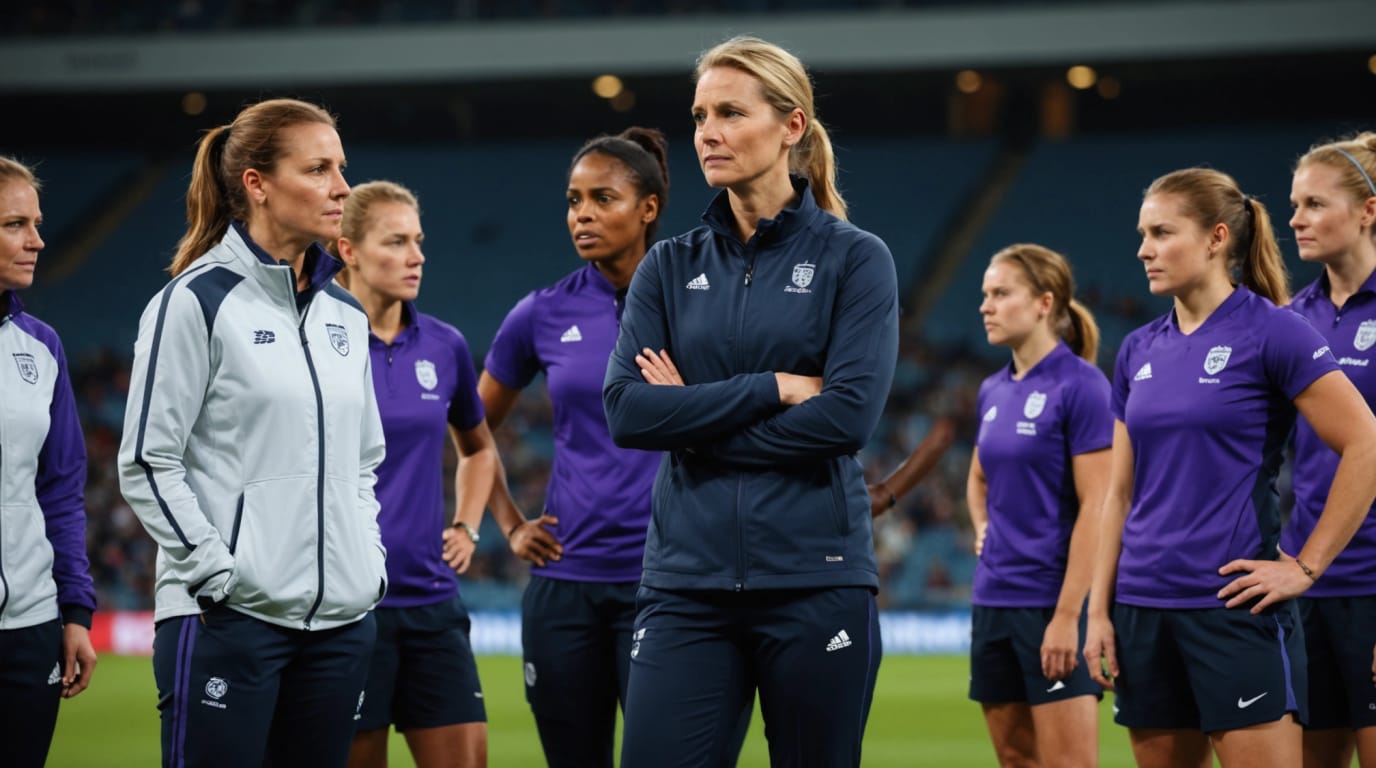
Despite significant strides in women's sports participation, female coaches continue to face systemic inequalities that hinder their advancement and representation across all levels of competition. As International Women's Day 2025 approaches, the focus shifts to #AccelerateAction, highlighting the urgent need to address the persistent gender gap in coaching and leadership roles within the sports industry.
Underrepresentation Persists
While female athletes are gaining increased recognition and opportunities, the number of women in coaching positions remains disproportionately low. Research indicates that only 20-30% of all sports coaches are women, with an even smaller percentage holding senior coaching positions. This underrepresentation is a global issue, affecting countries worldwide. For example, in Australia, women held only 9% of accredited coaching positions at the 2016 Rio Olympic Games, with a slight increase to 13% at the 2020 Tokyo Olympics. Similarly, in Great Britain, women made up only 8% to 11% of coaches at the Olympics held between 2004 and 2016. A recent study by UK Coaching revealed a concerning decline in the percentage of female coaches, dropping from 44% in 2022 to 38% in 2024. This 6% decrease underscores the ongoing gender disparities within the coaching profession.
Systemic Barriers and Challenges
Numerous barriers contribute to the underrepresentation of women in sports coaching. These challenges exist at individual, interpersonal, community, and societal levels. A report by the Tucker Center for Research on Girls & Women in Sport at the University of Minnesota highlights the universal struggle to recruit women coaches across all sports and levels.
Some of the key obstacles include:
- Gender stereotypes and biases: Traditional expectations of male leaders as authoritative and female leaders as nurturing can limit opportunities for women in coaching.
- Lack of role models and mentors: The scarcity of visible female coaches can discourage women from pursuing coaching careers.
- Limited access to networks and professional development: Women may face challenges in accessing the same networking and career advancement opportunities as their male counterparts.
- Work-life balance challenges: The demands of coaching, combined with societal expectations for women as primary caregivers, can make it difficult for women to balance their personal and professional lives.
- Discriminatory hiring practices: Some athletic directors, particularly men, may be less likely to hire women as coaches.
- Lack of support from sports organizations: Insufficient policies and initiatives to actively encourage and support women in coaching roles can hinder their progress.
The Impact of Female Coaches
The presence of female coaches can have a significant positive impact on athletes, particularly young women. Female coaches can serve as role models, challenge gender stereotypes, and offer diverse perspectives and advice. Studies have shown that athletes respond similarly to male and female coaching styles, indicating that there is no inherent reason for the disparity in the number of male versus female coaches.
Specifically, female coaches can:
- Provide emotional and mental stability: Female athletes, especially young athletes, may benefit from the understanding and support that female coaches can offer regarding physiological and emotional changes.
- Promote positive body image: Female coaches can help counter the culture of disordered eating and body image issues that can affect female athletes.
- Increase self-confidence and leadership skills: Seeing women in positions of power, such as coaching roles, can empower young women and girls to see themselves as leaders.
- Improve team performance: Creating a supportive and inclusive environment can enhance team cohesion and performance.
Initiatives and Solutions
Recognizing the need for change, various organizations and initiatives are working to address the gender gap in sports coaching. These efforts include:
- Mentorship programs: Pairing aspiring female coaches with experienced mentors can provide guidance and support.
- Leadership training: Providing women with leadership training and development opportunities can equip them with the skills and confidence to advance in their careers.
- Scholarships and funding: Offering financial assistance to women pursuing coaching education can help remove financial barriers. The Women's Sports Foundation, for example, offers funding through the Tara VanDerveer Fund for the Advancement of Women in Coaching and the Scott Pioli & Family Fund for Women Football Coaches and Scouts.
- Awareness campaigns: Raising awareness of the importance of female coaches and the challenges they face can help change perceptions and attitudes.
- Policy changes: Implementing policies that actively encourage and support women in coaching, officiating, and leadership roles can help create a more level playing field.
- Gender Impact Strategies: Organizations like UK Coaching have developed Gender Impact Strategies to create inclusive and diverse coaching environments, promote equity, and drive systemic change.
- Targeted Programs: The Confédération Africaine de Football (CAF) launched the Women Instructors Development Program (WIDP) to enhance the skills and expertise of women involved in coaching education and training across Africa.
- Community-based strategies: Developing local strategies to encourage more women to become youth and developmental level coaches.
The Path Forward
Achieving gender equality in sports coaching requires a multifaceted approach that addresses systemic barriers, promotes inclusivity, and empowers women to pursue their coaching aspirations. By increasing the visibility of female coaches, providing them with the necessary support and resources, and challenging gender stereotypes, the sports industry can create a more equitable and diverse environment for all. As the world celebrates International Women's Day 2025, it is crucial to #AccelerateAction and ensure that female sports coaches have the opportunity to reach their full potential and inspire future generations of athletes. The IOC's #SportForAllWomenAndGirls initiative highlights the importance of ensuring that all women and girls have the opportunity to participate in and benefit from sport. Continued efforts to promote gender equality in sports coaching are essential for creating a fairer and more dynamic sporting community where all athletes can thrive.