FIFA President Infantino Lashes Out at World Cup Critics, Defends 2026 Tournament as a Triumph of Unity
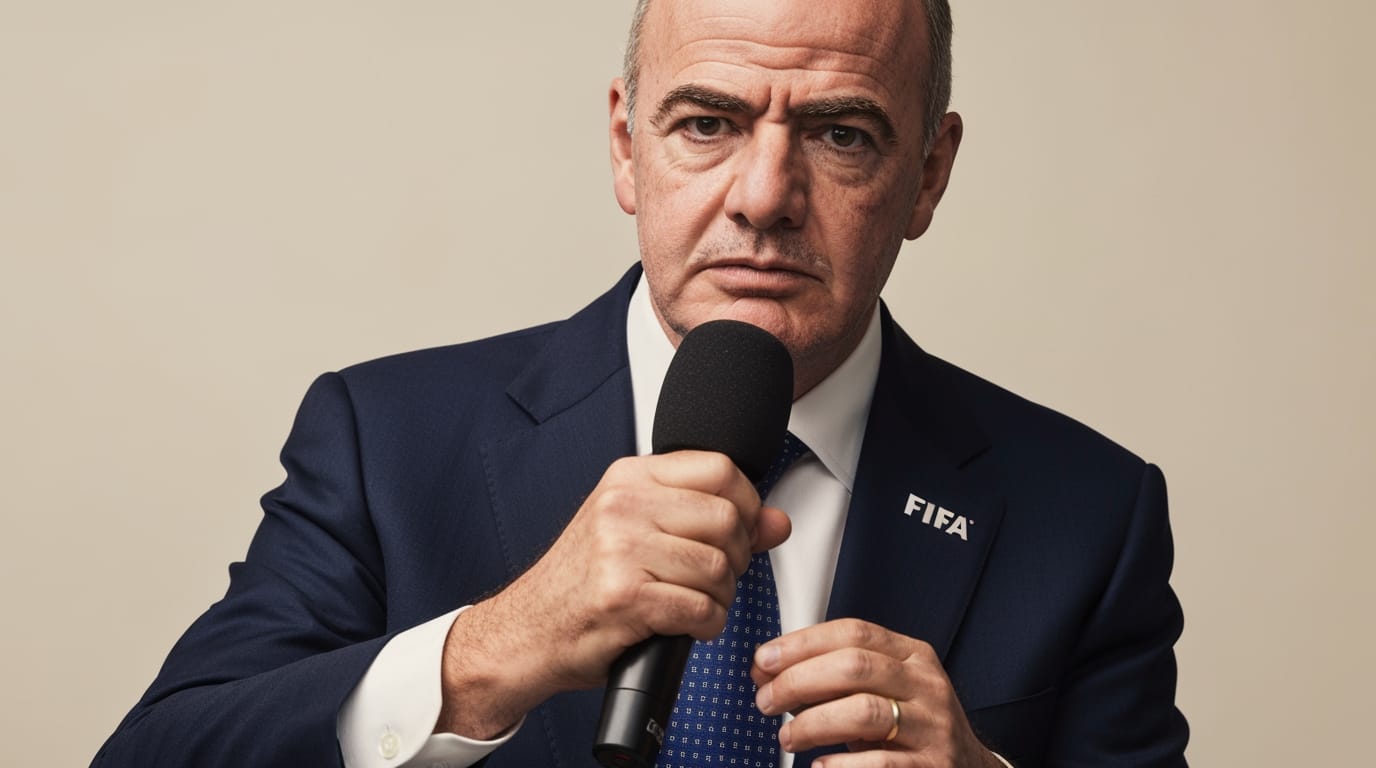
ZURICH, Switzerland – In a fiery rebuke aimed at perceived detractors, FIFA President Gianni Infantino has launched a scathing attack on critics of the recently concluded 2026 FIFA World Cup, accusing them of spreading "hate and false rumors." Just one week after Spain lifted the trophy following a tournament co-hosted by the United States, Canada, and Mexico, Infantino asserted that those who focused on negative narratives "missed it all," overlooking the widespread joy, unity, and unprecedented safety experienced by millions of fans worldwide. His impassioned defense echoes earlier, equally contentious statements made during the 2022 Qatar World Cup, underscoring a recurring tension between FIFA's vision of global football spectacles and persistent external scrutiny.
Infantino’s latest broadside, delivered in a public statement, characterized critics as being "consumed by hate" and urged them to "meditate or pray" instead of propagating negativity. He contrasted FIFA's efforts on the "front lines organising, working hard, and delivering the best show in the world" with what he described as critics "behind their pens and papers, behind their screens spreading hate and false rumours". This aggressive stance comes in response to a fresh wave of controversies that emerged during the 2026 tournament, indicating FIFA's continued strategy of directly confronting challenges to its image and operations.
2026 World Cup: A New Front for Familiar Criticisms
The 2026 FIFA World Cup, hailed by Infantino as a resounding success, was not immune to significant criticism, prompting his recent outburst. Key points of contention included allegations of political interference, particularly surrounding the controversial overturning of a one-match ban for U.S. striker Folarin Balogun. Reports indicated that former President Donald Trump's intervention played a role in the decision, raising questions about the integrity of disciplinary processes within the sport's governing body. Such incidents fueled concerns over the influence of political figures on sporting decisions, a narrative FIFA has consistently sought to deflect.
Beyond disciplinary matters, the tournament also faced scrutiny over logistical and accessibility issues. "Visa rows" and restrictions affecting supporters and officials from several countries drew significant public and media attention, impeding travel for some fans and national delegations. Concerns were also raised regarding teams from conflict-hit regions, further highlighting the complexities of organizing a global event that aspires to unite diverse nations. Other criticisms during the 2026 World Cup reportedly included the finances involved, the introduction of hydration breaks, and travel difficulties for participants and fans. While Infantino championed the tournament's 100% safety and security, and the overwhelming atmosphere of joy, these operational and political controversies continued to generate headlines, creating a dissonance between FIFA’s internal narrative and external perceptions.
Echoes of Qatar: A Consistent Pattern of Defense
Infantino's current defense strategy bears striking similarities to his fiery pronouncements ahead of and during the 2022 FIFA World Cup in Qatar. On the eve of that controversial tournament, he delivered a memorable, hour-long diatribe, famously declaring, "Today I feel Qatari. Today I feel Arab. Today I feel African. Today I feel gay. Today I feel disabled. Today I feel a migrant worker". This speech, intended to preempt and counter widespread criticism, was met with mixed reactions. He also lectured Europeans, stating they "should be apologizing for the next 3,000 years" for their historical actions before criticizing Qatar's human rights record.
The criticisms surrounding Qatar 2022 were extensive, ranging from the host nation's human rights record – particularly the treatment of migrant workers, women, and the LGBT community – to allegations of bribery in the bidding process, and concerns about the extreme climate. Human rights organizations, such as Amnesty International, swiftly condemned Infantino's remarks, accusing him of "brushing aside legitimate human rights criticisms" and dismissing the immense human cost associated with the tournament's infrastructure development. The term "sportswashing" gained prominence, with many arguing that Qatar was using the World Cup to enhance its international image despite its domestic policies. Despite these grave concerns, Infantino consistently maintained that the tournament was a vehicle for positive change and a celebration of football. The parallel between his defense of Qatar and his current stance on the 2026 World Cup highlights a consistent approach from the FIFA President to frame criticism as biased or misinformed.
The Persistent Undercurrent of Scrutiny
The recurring cycle of controversy and defense underscores a fundamental tension in modern global sports. FIFA, as the steward of the world's most popular sport, has faced incessant scrutiny over its governance, host selection processes, and commitment to ethical standards. From allegations of corruption in previous bidding rounds to concerns about the social and environmental impacts of mega-events, external bodies and media have consistently questioned the organization's integrity.
Critics argue that FIFA often prioritizes commercial interests and expansion into new territories over robust human rights due diligence and transparent governance. Organizations like Amnesty International repeatedly emphasize that demands for equality, dignity, and fair compensation are universal human rights that FIFA is bound to respect by its own statutes, rather than being dismissed as mere "culture war" issues. This ongoing debate reflects a broader societal expectation that international sports bodies should not only deliver world-class competitions but also uphold and promote global ethical values. Former FIFA President Sepp Blatter, who oversaw the initial decision to award the 2022 World Cup to Qatar, has himself twice acknowledged that the choice was a "mistake".
Navigating the Future: FIFA's Unyielding Path
Under Gianni Infantino's leadership, FIFA has maintained an unyielding posture against its critics, positioning itself as an organization focused on the positive power of football to unite and transcend divides. His statements consistently emphasize the spectacle, the unity, and the joy delivered by the World Cup, often characterizing criticism as rooted in negativity or a failure to appreciate the bigger picture. This narrative aims to highlight the tangible benefits of the tournament, such as providing visas for countries facing health or other challenges, enabling them to participate on the global stage.
However, the relentless nature of the criticisms, spanning issues from human rights to alleged favoritism and political meddling, suggests a persistent challenge for FIFA. As the sport continues its global expansion, with upcoming tournaments planned in diverse regions, the organization will likely face increasing demands for transparency, accountability, and adherence to international ethical standards. Infantino's latest remarks underscore that the divide between FIFA's self-congratulatory assessments and the persistent scrutiny from media, human rights groups, and a segment of the public remains as wide as ever, setting the stage for continued debate over the true legacy and impact of the World Cup.