Forty Years On: Lake Nyos and the Lingering Shadow of a Silent Killer
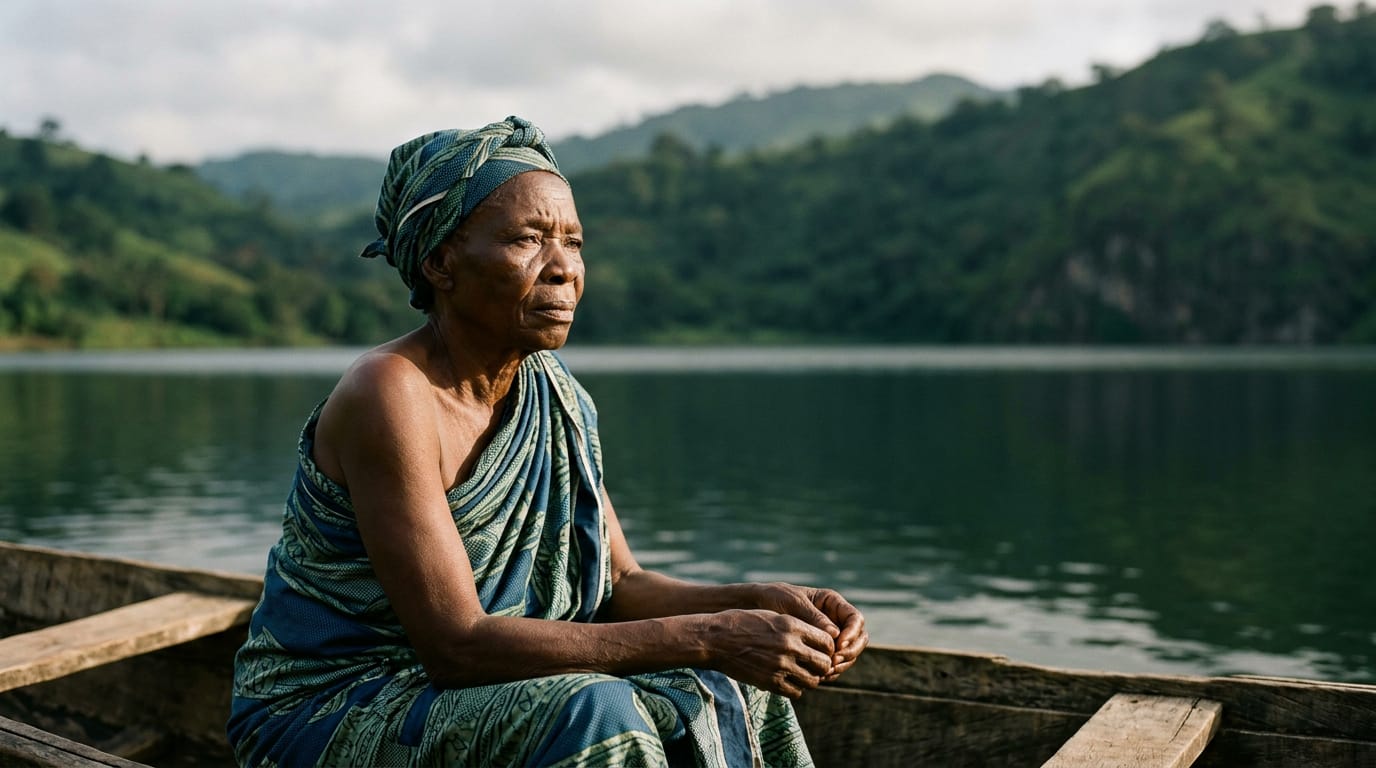
NYOS, Cameroon – Forty years ago today, a tranquil crater lake nestled in Cameroon's volcanic highlands transformed into a silent, indiscriminate killer, unleashing a catastrophic cloud of carbon dioxide that claimed nearly 1,800 lives and thousands of livestock in one of the most unique and devastating natural disasters in modern history. As August 21, 2026, marks four decades since the Lake Nyos limnic eruption, communities in the Northwest Region of Cameroon reflect on a tragedy that reshaped lives, spurred unprecedented scientific innovation, and left an indelible mark on the landscape and its people.
The disaster of August 21, 1986, brought the remote Lake Nyos into a terrifying global spotlight, highlighting a previously little-understood geological phenomenon. The ensuing scientific response led to groundbreaking mitigation strategies, yet the human cost continues to resonate, with many survivors still grappling with displacement and the absence of basic amenities. The story of Lake Nyos is a stark reminder of nature's unpredictable power and humanity's enduring struggle for safety and recovery in its wake.
The Night the Lake Breathed Death
On that fateful evening, a massive cloud of carbon dioxide (CO2) erupted from the depths of Lake Nyos, without warning. Residents in nearby villages like Nyos, Kam, Cha, and Subum described hearing a rumbling sound, a noise like distant thunder, or even a rockslide, before a strange white mist or froth rose from the lake. The gas cloud, estimated to be between 100,000 to 300,000 tons and potentially up to 1.6 million tonnes, did not dissipate upwards but, being denser than air, flowed downhill at speeds nearing 100 kilometers per hour. It swept through valleys, displacing breathable oxygen and silently suffocating nearly everything in its path up to 25 kilometers from the lake.
The sheer scale of the catastrophe was staggering: 1,746 people and 3,500 livestock perished, many dying in their sleep without struggle or trauma. Survivors awoke to an eerie silence, the absence of birdsong and animal sounds underscoring the profound loss of life. The lake itself bore witness to the event, its normally blue waters turning a dark reddish-brown due to iron-rich water from the deep rising to the surface and oxidizing. A tsunami-like wave, possibly as high as 25 meters, also scoured the shores, flattening vegetation.
Unraveling the Mystery: The Science of Limnic Eruptions
The Lake Nyos disaster, preceded by a smaller but similar event at Lake Monoun two years earlier in 1984 which killed 37 people, was quickly identified as a "limnic eruption" — a rare and previously little-understood phenomenon. Investigations revealed that Lake Nyos sits in a volcanic caldera, with a pocket of magma approximately 80 kilometers below. This magma continuously leaks carbon dioxide (CO2) into the lake's deep waters. Due to the lake's thermal stratification, the cold, dense, CO2-rich water at the bottom does not mix with the warmer surface layers, allowing immense quantities of the gas to accumulate under pressure.
Scientists concluded that the lake waters became supersaturated with CO2, akin to an unopened soda bottle. The exact trigger for the 1986 eruption remains debated, but most geologists suspect a landslide caused by a rockslide into the lake, which disturbed the stable layers and allowed the gas to rapidly effervesce out of solution. Other theories include a minor volcanic eruption or even heavy rainfall. Chemical analysis of the lake water later confirmed that CO2 was the predominant gas released, despite some initial reports of sulfurous odors.
Defusing the Threat: The Degassing Solution
In the aftermath of the tragedy, an urgent international scientific effort began to prevent a recurrence. Researchers proposed and developed an innovative solution: controlled degassing. The principle involves installing pipes that extend from the lake surface to its deepest, gas-saturated layers. Once initiated, water from the bottom, under immense pressure, rises through the pipe, and the dissolved CO2 begins to bubble out as the pressure decreases. This process creates a self-sustaining fountain of water and gas, safely venting the CO2 into the atmosphere at non-lethal concentrations.
Feasibility studies began in the 1990s, and with funding from the U.S. Office of Foreign Disaster Assistance (OFDA) and international collaboration, the first permanent degassing pipe was installed at Lake Nyos in 2001. Two additional pipes were subsequently added in 2011, accelerating the removal of the dangerous gas. Similar efforts were undertaken at Lake Monoun, where a degassing pipe was installed in 2003. These interventions have significantly reduced the gas saturation levels in both lakes, though CO2 continues to seep into the water, necessitating ongoing monitoring and, potentially, more pipes to achieve complete safety within a reasonable timeframe.
A Community's Resilience and Lingering Challenges
While scientific ingenuity has largely neutralized the immediate threat of another limnic eruption, the human story of Lake Nyos remains one of profound loss and enduring struggle. The disaster displaced thousands, many of whom experienced respiratory problems, lesions, and paralysis from gas exposure. Many survivors returned years later to find their homes and livelihoods destroyed, forced to rebuild from scratch.
Forty years later, communities like Nyos still face significant challenges. Basic social amenities, such as health centers, good roads, and potable water, remain scarce. While some have tried to re-establish farming and other activities, the memories of loss and the ongoing struggle for development cast a long shadow. The government of Cameroon, with international support, has established resettlement efforts, but the path to full recovery is long and complex. The trauma of the event, coupled with subsequent regional conflicts that have further displaced some survivors, underscores the multifaceted nature of disaster recovery.
Lessons Learned and Future Vigilance
The Lake Nyos disaster served as a critical lesson for the world, revealing a previously unrecognized geological hazard. It spurred global efforts to identify and monitor other limnically active lakes, most notably Lake Kivu, shared by the Democratic Republic of Congo and Rwanda, which holds vast quantities of dissolved gases and sits beneath a population of millions.
Today, the lake's natural volcanic dam, which impounds its waters, is weakening and poses another potential threat. A rupture could lead to severe flooding downstream and potentially trigger another gas release by reducing pressure on the remaining dissolved CO2. This dual risk necessitates continued vigilance, maintenance of the degassing infrastructure, and further investment in community safety and development.
As the world marks the 40th anniversary of the Lake Nyos disaster, it stands as a testament to both the destructive power of nature and the resilience of human communities and scientific endeavor. The efforts to tame a "killer lake" represent a triumph of engineering and international cooperation, yet the ongoing challenges faced by its survivors underscore the critical need for sustained support and recognition of the long-term impacts of such catastrophic events. The memory of Lake Nyos serves as a permanent reminder to remember, protect, and prepare.