France and Britain Propose "Reassurance Force" for Ukraine Amidst Allied Divisions
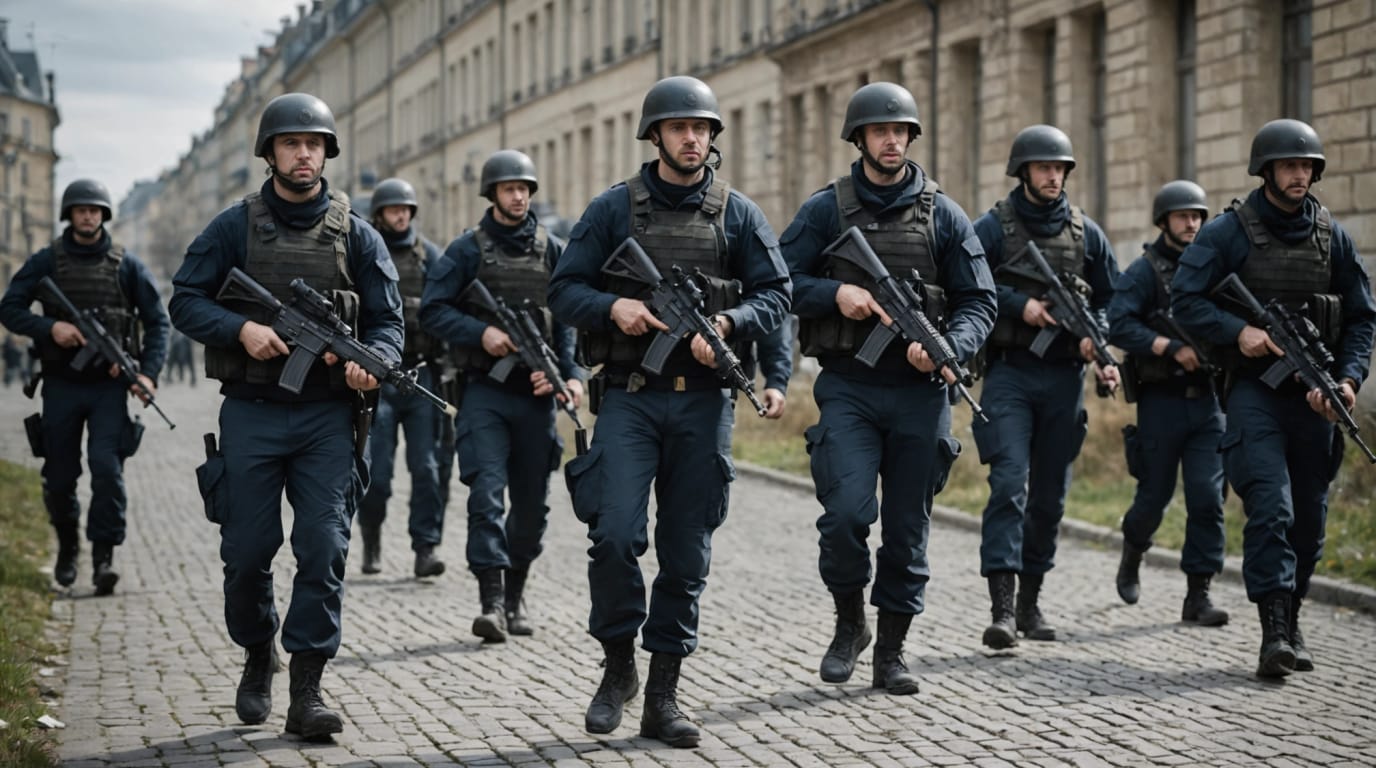
Paris – France and Britain are spearheading an initiative to establish a "reassurance force" in Ukraine following a potential peace agreement with Russia, even as divisions emerge among European allies regarding the deployment. The proposal, announced Thursday by French President Emmanuel Macron, aims to bolster Ukraine's security and deter future Russian aggression, but faces challenges in securing unanimous support.
Franco-British Mission to Ukraine
In the coming days, a joint Franco-British delegation will travel to Ukraine to discuss the specifics of the "reassurance force" and the future structure of the Ukrainian army. Macron emphasized that this force is "a British-French proposition that is desired by Ukraine." The delegation will work to develop a clear action plan within three to four weeks, outlining the necessary requirements and contributions for the force. Strengthening the Ukrainian army is viewed as the best security guarantee for Ukraine once a peace agreement is reached.
British Prime Minister Keir Starmer echoed Macron's sentiments, stating that Ukraine should be in the strongest possible position as negotiations on its future take place. He affirmed the commitment to "peace through strength" and highlighted ongoing discussions about military and operational plans to support Ukraine, including potential security guarantees on land, at sea, and in the air.
Defining the "Reassurance Force"
Macron clarified that the "reassurance force" would not be a traditional peacekeeping mission, nor would it be deployed on the front lines or act as a substitute for the Ukrainian army. Instead, its primary role would be to deter potential Russian aggression. The force would be stationed in strategic locations pre-identified with the Ukrainians, acting as a deterrent.
The French President emphasized that the force would consist of contributions from several European countries willing and able to participate in Ukraine's post-war security. However, he acknowledged that not all of Ukraine's European allies would be represented, with some lacking the capacity or facing political reluctance.
Divisions Among Allies
Despite the Franco-British push, the "reassurance force" proposal has not garnered unanimous approval from European allies. Macron admitted that "it does not have unanimity today, but we do not need unanimity to do this." Some states are hesitant to commit troops to Ukraine, citing concerns about the political context and potential escalation of tensions with Russia.
These divisions highlight the challenges in forging a unified European response to the conflict in Ukraine. While many countries remain committed to supporting Ukraine's sovereignty and territorial integrity, differing perspectives exist on the best approach to achieve lasting peace and security in the region.
Broader European Mobilization
Despite the lack of unanimity on the "reassurance force," Macron emphasized that "Europeans are much more united than they were a few weeks ago." The Paris summit, attended by over two dozen allies of Ukraine, reaffirmed the commitment to maintaining and even increasing sanctions against Russia until a peace deal is reached.
German Chancellor Olaf Scholz dismissed the idea of easing sanctions, calling it a "grave mistake" and stressing that punitive measures against Russia should remain in place until peace is fully restored. Discussions are also underway about how to shape "tomorrow's Ukrainian army," ensuring that it remains strong and well-equipped in the post-war period.
Implications and Future Steps
The Franco-British initiative to establish a "reassurance force" in Ukraine represents a significant step towards ensuring the country's long-term security. However, the divisions among European allies underscore the complexities of the situation and the need for continued dialogue and compromise.
The upcoming visit by the Franco-British delegation to Ukraine will be crucial in shaping the future of the "reassurance force" and determining the level of support it receives from other European countries. The success of this initiative will depend on the ability of France and Britain to bridge the existing divides and forge a common vision for Ukraine's security in the aftermath of the conflict.
As diplomatic efforts to broker a ceasefire intensify, the "reassurance force" could play a vital role in deterring future Russian aggression and ensuring a stable and durable peace in Ukraine. The coming weeks will be critical in determining whether this vision can be realized.