French Student Fined S$600 for Viral Straw-Licking Prank in Singapore
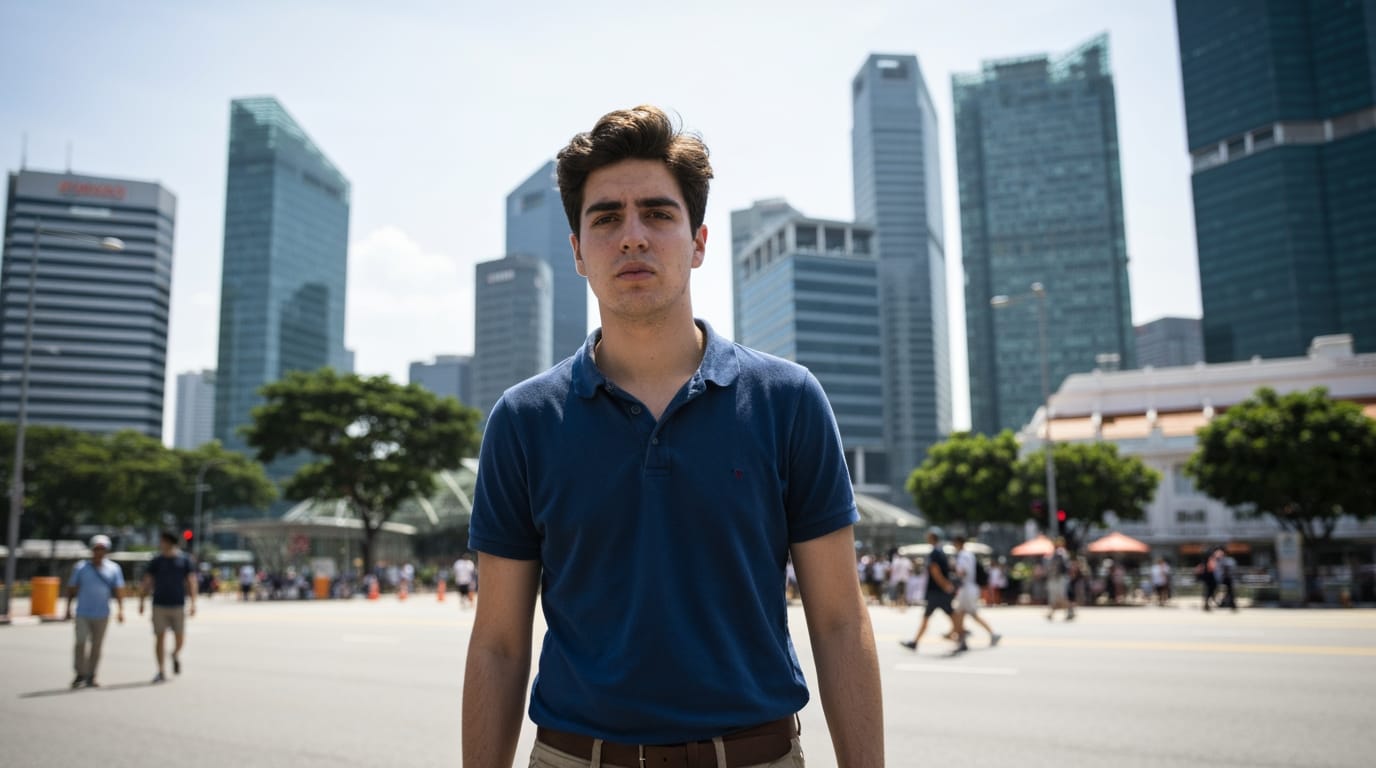
Singapore, July 30, 2026 – A French student pursuing studies in Singapore has been handed a S$600 (approximately US$465) fine for a public nuisance offense, stemming from a viral video in which he licked a straw from a public beverage dispenser and returned it. The incident, which occurred in March at a local shopping center, drew swift legal action in a nation known for its stringent laws on public order and hygiene, serving as a stark reminder to both residents and visitors about adherence to local regulations.
The Act That Sparked a Controversy
The individual at the center of the incident is 19-year-old Didier Gaspard Owen Maximilien, a student enrolled at the Singapore branch of a French business school. On March 12, after attending a boxing session at Goldhill Centre, Maximilien purchased a drink from an iJooz vending machine. He then proceeded to take a straw from the dispenser, lick approximately half of it, and return the contaminated straw to the machine, all while filming the act. He subsequently edited the footage and uploaded it to his Instagram account, reportedly with the caption "city is not safe," intending it as a social media stunt.
The video quickly gained traction online after an acquaintance shared it with a media outlet, leading to its widespread circulation and eventual notice by Singaporean authorities. The vending machine operator, iJooz, confirmed the incident and, as a precautionary measure, replaced all 500 straws in the affected dispenser, an action that incurred a cost of S$5. The company also took steps to sanitize the machine and indicated plans to upgrade its dispensers to include individually packaged straws and compartments that only release straws after a transaction is complete.
Navigating Singapore's Legal Framework
Maximilien was subsequently charged with public nuisance, with an additional charge of mischief taken into consideration during sentencing. The offense of public nuisance, as defined under Singapore’s Penal Code, pertains to any act that causes common injury, danger, or annoyance to the public. Penalties for public nuisance can range from a fine of up to S$2,000 to imprisonment for up to three months, or both. The charge of mischief, which was considered during Maximilien's sentencing, carries a more severe potential penalty of up to two years in prison, a fine, or both.
During court proceedings on Thursday, July 30, Maximilien pleaded guilty to the public nuisance charge. Prosecutors, led by Deputy Public Prosecutor Maximilian Chew, sought a fine rather than a custodial sentence, citing several mitigating factors. These included Maximilien's youth, his early guilty plea, the fact that he himself retrieved the contaminated straw, ensuring no member of the public used it, and the absence of evidence suggesting actual harm. Defence counsel Kalidass Murugayan noted Maximilien's deep remorse and the logistical challenges of securing a local guardian for him, advocating for a fine as the appropriate punishment. Both the prosecution and defense agreed that a fine was suitable given the circumstances.
The court ultimately imposed a S$600 fine. This decision underscored Singapore's firm stance against acts that compromise public health and order, even when committed by young individuals under the guise of online content creation. The incident and its legal outcome have been widely reported, drawing attention from international media outlets and highlighting the potential legal consequences for seemingly minor infractions in the city-state.
The "Fine City" and Its Unyielding Laws
Singapore has long earned its reputation as a "fine city," a moniker reflecting its pristine environment and stringent enforcement of laws designed to maintain public order and cleanliness. The nation employs a comprehensive legal framework, including the Penal Code and the Miscellaneous Offences (Public Order and Nuisance) Act, to regulate public behavior. This robust legal system applies equally to both its citizens and foreign residents, emphasizing strict adherence to its statutes.
Numerous behaviors that might be considered trivial elsewhere can result in significant penalties in Singapore. For example, littering can incur fines of up to S$1,000 for first-time offenders, and the sale and import of chewing gum are prohibited. Acts of vandalism carry severe punishments, including fines, imprisonment, and even caning, as famously exemplified by the Michael Fay case in the 1990s. Even engaging in public protests is tightly regulated, requiring police permits, with strict conditions on who can participate and speak. Moreover, Singapore has strict laws against drug use and trafficking, with severe penalties including the death sentence for serious offenses.
The incident involving Maximilien fits into this broader context of maintaining public standards. While the act of licking a straw might appear minor, its potential to cause public annoyance or risk to hygiene, especially when amplified by social media, aligns with behaviors that Singaporean law seeks to deter. Such incidents reinforce the authorities' commitment to safeguarding public health and trust in shared amenities.
A Cautionary Tale for International Students and Visitors
For international students like Maximilien, understanding and respecting Singapore's unique legal and cultural landscape is paramount. The Ministry of Home Affairs emphasizes maintaining a strong legal framework to prevent and deter attempts to disrupt social harmony, stability, or public peace, asserting that these laws comply with both domestic and international obligations.
Maximilien's situation underscores the importance of being aware that actions perceived as harmless pranks in one's home country can carry serious legal ramifications in Singapore. While the court opted for a fine, the incident's impact extends beyond the monetary penalty. Immigration and Checkpoints Authority officials will now assess the status of Maximilien's student pass, considering all relevant circumstances of the case. This means his ability to continue his studies in Singapore remains subject to official review, highlighting that foreign students can face arrest, deportation, or even long-term bans from the country for legal transgressions.
The case serves as a poignant reminder that Singapore's reputation for order and cleanliness is underpinned by a strict legal framework and rigorous enforcement. For anyone living or visiting the city-state, a thorough understanding and unwavering respect for these laws are not merely advisable but essential for avoiding unforeseen and potentially life-altering consequences. It reinforces the notion that while social media stunts may garner fleeting attention, they can also trigger serious legal repercussions, particularly in a society that prioritizes public order and collective well-being.