From Digital Natives to AI Natives: Navigating a World of Intelligent Others
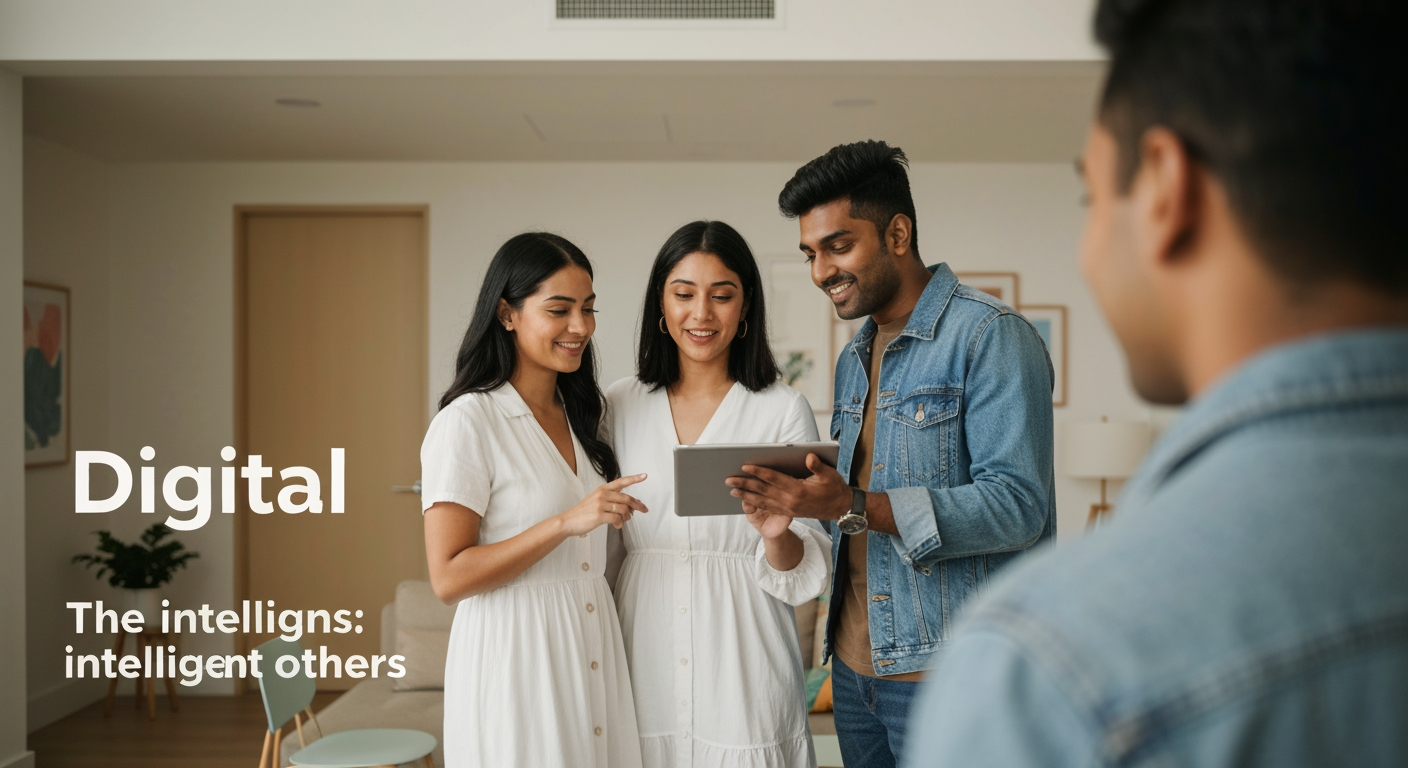
A new era is rapidly unfolding, redefining what it means to be digitally fluent and fundamentally altering human interaction with technology. The concept of "digital natives," individuals born into a world saturated with the internet and mobile devices, is now giving way to an even more profound paradigm shift: the emergence of "AI natives." These are not merely consumers of digital content but rather a generation intuitively interacting with sophisticated artificial intelligence, ushering in an age where "the intelligent others" — AI systems — are becoming integral to daily life, learning, and work. This evolution presents both unprecedented opportunities and complex challenges for society.
The term "digital native" was popularized by Marc Prensky in 2001, defining individuals who grew up surrounded by digital technology such as the internet, cell phones, and computers, making them inherently familiar with these tools from a young age. These generations, primarily Millennials, Generation Z, and Generation Alpha, process information differently, often favoring multitasking and rapid information absorption. Unlike "digital immigrants" who adopted technology later in life, digital natives adapt to new technology almost instinctively, intuiting how to use new systems based on prior experience. Their early and extensive exposure shaped their expectations and endowed them with proficient skills, leading to new ways of thinking and learning. Digital natives are comfortable locating, consuming, and sending digital information through electronic devices and platforms. This has profoundly influenced social interactions, education, and professional lives, with social media providing new avenues for communication and online courses transforming learning.
However, the landscape is shifting once more with the rapid advancement of Artificial Intelligence. "The intelligent others" now refers to these hyper-intelligent AI systems that are becoming embedded into the fabric of daily existence. As digital natives established themselves through their command of the digital realm, a new cohort is rising, adept at leveraging AI as an extension of their cognitive processes. This new generation, increasingly dubbed "AI natives," represents a further evolution of digital fluency. They are not just using digital tools; they are collaborating with intelligent systems, creating with them, and relying on them for decision-making and problem-solving.
The transition from digital natives to AI natives is marked by a fundamental change in technological interaction. While a digital native might first turn to Google or social media for information, an AI native is more likely to consult generative AI tools like ChatGPT. This reliance on AI suggests a different cognitive approach, one where the boundaries between human and machine intelligence begin to blur. AI natives are expected to embed AI into their workflows instantly and easily, showing less apprehension towards these advanced systems compared to older generations. This seamless integration means AI is moving beyond being a supplementary aid to becoming an essential component of their learning and professional environments. This proficiency is particularly evident in Generation Z, who not only possess an exceptional understanding of digital and AI technologies but also carry significant expectations regarding the proper utilization of these tools in the workplace.
The implications of this shift are far-reaching across various sectors. In education, AI is transforming learning into highly personalized and interactive experiences, with concepts like "AI tutors" gaining popularity to tailor content to individual student needs. This fosters skill development and potentially strengthens the link between academic achievement and future employment. For the workforce, AI natives will bring new expectations for employers, expecting seamless AI integration and understanding how AI can optimize tasks and create new job roles. Industries are already modifying infrastructure and processes to incorporate AI and digital tools, driven by the innate digital consciousness and adaptability of these younger generations. This also leads to a changing marketing landscape, where strategies must evolve to capture the attention of AI-savvy consumers who are constantly connected and expect personalized, AI-driven interactions.
However, the rise of AI natives also presents significant challenges and ethical considerations. The increasing reliance on generative AI raises questions about original thought and expression, with concerns that students might become less proficient in original writing while excelling at prompting specific, targeted questions. There are also broader societal concerns regarding privacy, data security, and the potential for "digital fatigue" as AI becomes even more pervasive. The disruptive nature of generative AI tools is forcing a recalibration of digital literacy itself, demanding not just technical skills but also critical thinking, ethical discernment, and adaptability to navigate a world where AI can produce content indistinguishable from human creations. This evolving landscape suggests that everyone, regardless of age, is becoming a "digital immigrant" in the face of rapidly advancing generative AI, necessitating continuous learning and adaptation.
In conclusion, the journey from digital natives to AI natives signifies more than just a technological upgrade; it marks a fundamental redefinition of human-technology symbiosis. As younger generations grow up with AI as an omnipresent and intelligent collaborator, their cognitive processes, learning styles, and professional expectations are being profoundly reshaped. While this evolution promises innovation and efficiency across all domains, it also calls for a proactive approach to address the ethical, educational, and societal implications. Understanding and adapting to the "intelligent others" and nurturing the capabilities of AI natives will be crucial for navigating a future where human ingenuity and artificial intelligence increasingly intertwine.