From Petitions to Pixels: How Student Dissent Revolutionized Its Voice

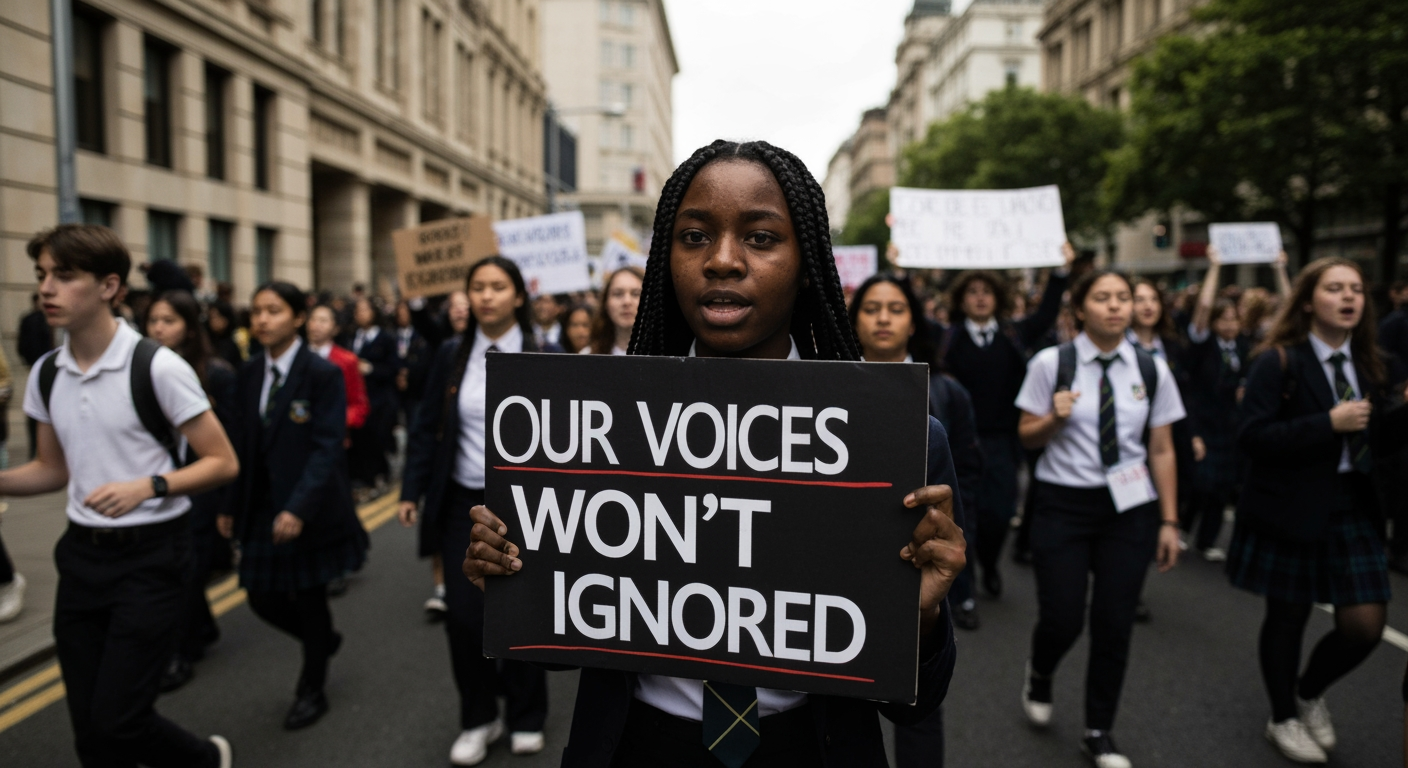
For centuries, the energy and idealism of students have served as a potent force for societal change, challenging entrenched norms and advocating for justice. While the underlying motivations for student dissent remain constant, the methods by which these powerful voices make themselves heard have undergone a profound transformation. From the earnest signing of petitions and the determined formation of picket lines to the rapid-fire spread of viral memes and digital campaigns, students have continually adapted their tactics, leveraging the tools of their time to amplify their demands and reshape public discourse. This evolution, particularly accelerated by the digital age, marks a new chapter in the enduring story of youth activism, blending traditional steadfastness with unprecedented digital agility.
The Echoes of the Past: Traditional Pillars of Student Activism
The roots of student activism stretch back centuries, with collective actions by students noted as early as the 13th century in Paris and Bologna. In the United States, student movements have profoundly influenced critical moments in history, notably during the Civil Rights Movement and the anti-Vietnam War protests of the 1960s. These periods saw students at the forefront, challenging racial segregation, advocating for equal rights, and opposing military conflict.
Traditional methods of dissent during these eras were characterized by their physical presence and tangible forms. Petitions, a long-standing form of expressing grievances, gathered signatures to demonstrate collective will. Sit-ins, marches, and boycotts became powerful visual symbols of defiance, demanding attention through direct action and non-violent resistance. Students organized large-scale demonstrations, created flyers, and put up posters to spread awareness and mobilize support. Seminal moments, such as the 1960 sit-in by four Black students from North Carolina A&T State University, inspired thousands and fueled the Civil Rights Movement, ultimately contributing to the passage of landmark legislation like the Civil Rights Act of 1964 and the Voting Rights Act of 1965. Similarly, the Free Speech Movement at UC Berkeley in 1964 saw students demanding the right to speak, protest, and organize politically on university grounds, applying tactics learned from the Civil Rights Movement to their own campuses. These historical examples underscore the significant impact of traditional student activism in shaping policy and public consciousness.
The Digital Revolution: Social Media as the New Megaphone
The advent of the internet and the subsequent explosion of social media platforms ushered in a radical transformation of youth activism, fundamentally altering how students engage with political and social issues. Platforms such as X (formerly Twitter), Instagram, and TikTok have become indispensable tools for young people to voice concerns, advocate for social justice, and demand accountability. This shift has enabled activists to bypass traditional media gatekeepers, directly communicating with peers, policymakers, and a global audience.
The digital environment has proven particularly effective for rapid information dissemination and real-time coordination. Students can share news updates globally within seconds, raising awareness about issues and events as they unfold. These platforms facilitate the organization of protests and the building of vast networks, allowing activists to coordinate logistics like transportation details and communicate about police presence. The accessibility of these free platforms means that virtually anyone with internet access can join the conversation, fostering a sense of collective identity and solidarity among participants. Prominent examples of digital activism include climate activist Greta Thunberg, whose Instagram and Twitter posts promoting her "Fridays for Future" protests went viral, inspiring countless others. The #MeToo movement also gained global traction and accessibility through social media hashtags, amplifying the voices of survivors of sexual violence. Similarly, the #BlackLivesMatter movement leveraged these digital tools to organize protests and share personal stories, leading to increased awareness of systemic racism and driving policy changes. Research indicates a significant positive correlation between online political engagement and offline political activism, suggesting that digital activity often translates into real-world action.
The Rise of the Meme: Humor, Virality, and Subversion
Perhaps the most distinctive evolution in student dissent in recent years is the embrace of internet memes as a potent form of political expression and protest. Memes, characterized by their blend of humor, satire, and pop culture references, have become a new language for Generation Z activists, allowing them to distill complex political emotions and criticisms into easily digestible, highly shareable content. This form of communication leverages inside jokes, symbolism, and ridicule to deliver sharp messages that resonate deeply with digitally native audiences.
Political memes serve multiple functions: they express opinions, facilitate advocacy, and enable grassroots action. Their simplicity in creation and reproduction, coupled with their ability to evolve based on reception, makes them incredibly dynamic. They can break down complex issues, connect with audiences on an emotional level, and foster empathy by humanizing abstract problems. Crucially, memes spread with remarkable speed, often achieving viral status overnight, making them difficult to shut down or censor.
Instances of meme-driven protest are increasingly common. During climate strikes, protesters have utilized signs adorned with SpongeBob, Queer Eye, and "Hot Girl Summer" references, demonstrating a unique intersection of pop culture and political messaging. The #NationalSchoolWalkout saw the "Distracted Boyfriend" meme adapted to critique gun control policies, effectively communicating a powerful message through a widely recognizable image. More recently, during the NEET protests in India, students transformed police actions into viral content, including reels, humorous songs, and even logging protest routes on fitness apps like Strava with witty captions, turning confrontation into content that reached millions. This creative subversion of authority, using humor to make power "look awkward," has proven to be an effective tactic, capturing attention and challenging traditional forms of governance.
Navigating the Digital Landscape: Challenges and the Future of Dissent
While digital tools have undeniably democratized and amplified student voices, they also present a new array of challenges. One significant concern is the phenomenon often dubbed "performative activism" or "slacktivism," where online engagement does not necessarily translate into sustained, impactful offline action. Critics worry that the ease of a "like" or "share" might deter deeper commitment to a cause. Additionally, the rapid-fire nature of social media, while excellent for raising initial awareness and funds, can lead to support waning quickly, particularly for long-term campaigns.
Another critical challenge is the widespread dissemination of misinformation. The vast reach of social media means that false or inaccurate information, whether intentional or not, can spread rapidly and uncontrollably, undermining the credibility of movements. Students engaging in online activism also face risks such as digital surveillance and online harassment. Despite these obstacles, the inherent digital fluency of Generation Z allows them to navigate these complexities, often blurring the lines between their online and offline lives to their advantage. The ongoing debate over whether meme-based protests are trivializing serious issues continues, but for many, these digital expressions are simply a reflection of a generation communicating in the language it knows best.
Conclusion
The journey of student dissent, from the organized sit-ins of the Civil Rights era to the viral political memes of today, reflects a continuous adaptation to evolving societal landscapes and technological advancements. While traditional methods like petitions and marches remain relevant, the digital age has profoundly reshaped the visibility and impact of student activism, offering unprecedented reach and speed. Memes, once dismissed as mere internet humor, have emerged as a powerful, subversive tool for political expression, demonstrating that profound messages can be conveyed through wit and creativity. As students continue to leverage these dynamic tools, balancing their potential for widespread mobilization against the challenges of digital engagement, their role as catalysts for social change will undoubtedly remain as vital and transformative as ever, charting new pathways for future movements.
Related Articles


Yayoi Kusama, Visionary Artist Whose Polka Dots and Infinity Rooms Transformed Modern Art, Dies at 97
TOKYO – Yayoi Kusama, the avant-garde Japanese artist whose kaleidoscopic visions of polka dots, immersive "Infinity Mirror Rooms," and profound exploration of mental health captivated global audiences for over six...


Martin Walser: Germany's Acclaimed Author and Enduring Enigma
Martin Walser, a literary titan whose prolific career spanned decades and garnered numerous accolades, carved out a unique and often contentious space within German letters. While celebrated for his keen observations of...