German Airports Face Major Disruptions as Strikes Halt Operations
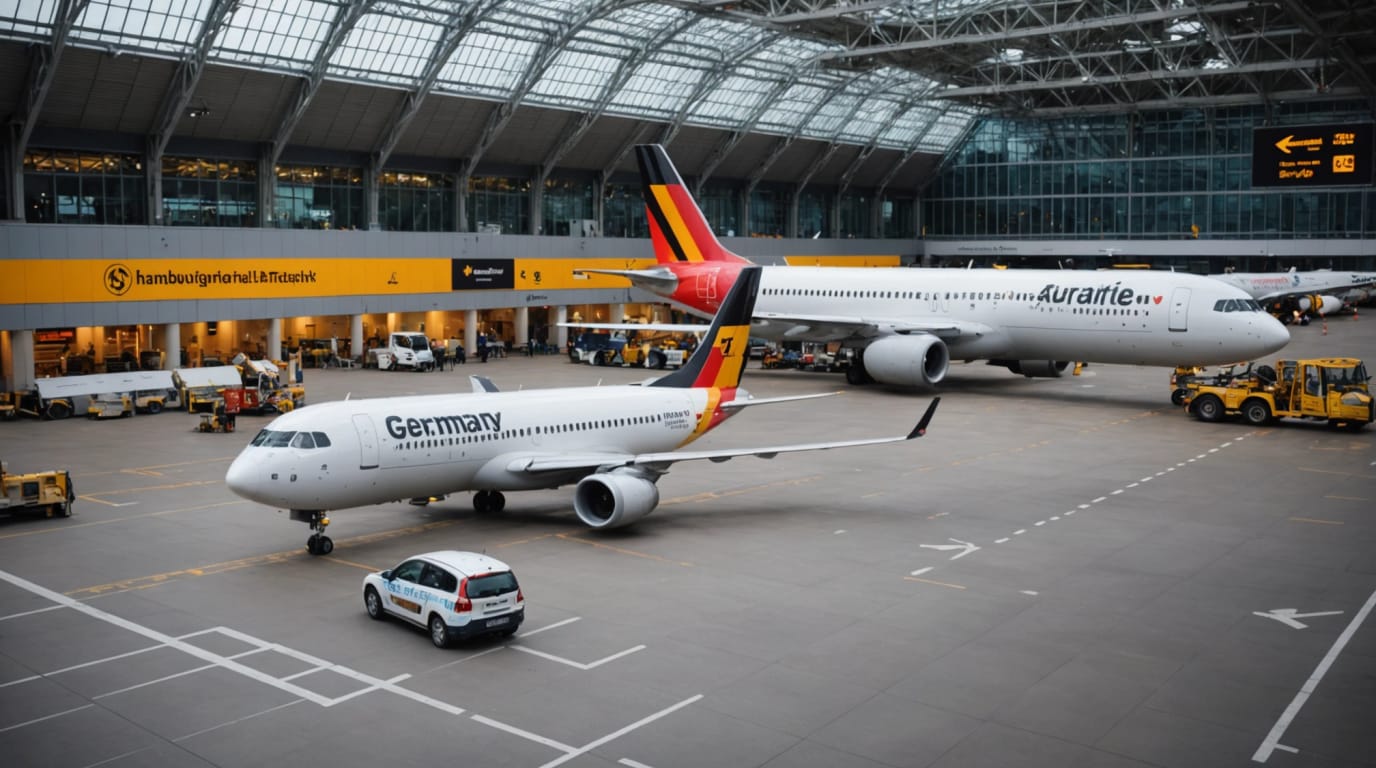
Travelers across Germany are bracing for widespread disruptions as a nationwide strike by airport workers takes effect Monday, March 10, 2025. The strike, called by the Verdi trade union, is expected to ground thousands of flights and impact over half a million passengers, throwing travel plans into chaos. The industrial action stems from an ongoing wage dispute between the union and the federal government, with workers demanding better pay and working conditions.
Nationwide Impact
The Verdi union is calling on public sector workers and ground handling service employees to participate in a 24-hour "warning strike" across eleven major German airports. These include:
- Munich (MUC)
- Stuttgart (STR)
- Frankfurt (FRA)
- Cologne/Bonn (CGN)
- Düsseldorf (DUS)
- Dortmund (DTM)
- Hanover (HAJ)
- Bremen (BRE)
- Hamburg (HAM)
- Berlin Brandenburg (BER)
- Leipzig/Halle (LEJ)
The strike is scheduled to begin at midnight and last until 11:59 PM on Monday, March 10th. Normal operations are expected to resume on Tuesday, March 11th.
The Association of German Airport Operators (ADV) warns that the strike will largely shut down air traffic across Germany, creating a logistical nightmare for travelers and airlines. They estimate that more than 3,400 flights will be canceled, affecting approximately 510,000 passengers.
Wage Dispute at the Center
The Verdi union is demanding an 8% wage increase, or a minimum of €350 (approximately $380) more per month for federal and municipal employees. They are also seeking higher bonuses for demanding roles, a €200 monthly increase for apprentices and interns, three additional days off, and a new "My Time" account to offer employees greater scheduling flexibility.
Christine Behle, the deputy chairwoman of Verdi, emphasized that airport workers play a crucial role in ensuring the smooth operation and safety of air travel and deserve fair wages and better working conditions. She stated that the union was forced to take action because employers have yet to present an offer or show any willingness to meet their justified demands.
Employers have rejected these demands as unaffordable, citing economic constraints. The collective bargaining negotiations are set to resume in Potsdam on March 14 and 15.
Passenger Chaos and Airline Response
The strike is expected to cause severe delays, flight cancellations, and operational restrictions at the affected airports. Ground services, check-in procedures, and baggage handling operations will likely cease, leading to significant disruptions for both departing and connecting passengers.
Frankfurt Airport, Germany's busiest aviation hub, has confirmed that most departures will be canceled and is urging passengers to avoid the airport altogether. Munich Airport, which experienced similar strikes just a week prior, anticipates similar disruptions. Berlin Brandenburg Airport has stated that all scheduled departures and arrivals will be affected and cannot take place during the strike.
Airlines, including Lufthansa and Eurowings, along with international carriers such as Ryanair, are expected to face similar disruptions. Passengers are advised to check their flight status with their respective airlines before heading to the airport and to explore rebooking and alternative travel options.
Under EU law, passengers traveling to or from impacted airports have the right to receive a full refund, an offer of alternative transport, or a replacement flight if they were traveling to another member state.
Cargo Operations Disrupted
The strike is also expected to have a significant impact on air cargo operations. Widespread flight cancellations and delays will affect belly-hold cargo capacity, and disruptions to ground handling services will impact cargo loading and unloading. Some shipments may be rerouted as airlines adjust flight schedules.
Broader Labor Movement
This airport strike represents part of a broader labor movement across Germany, with workers from various sectors engaging in industrial action to secure better pay and working conditions. Strikes have recently affected hospitals, nursing homes, and kindergartens, intensifying pressure on the government to address workers' demands.
Looking Ahead
With negotiations still ongoing, industry experts warn that further strikes may be on the horizon if Verdi and public sector employers fail to reach an agreement. Travelers planning to fly through Germany should remain vigilant, monitor updates, and prepare for further disruptions in the near future.
The German air traffic control operator, DFS, has stated that it will not be directly affected by the strike. However, flight delays and operational disruptions are expected as ground crews and public sector workers walk off the job.
As the strike commences, passengers are urged to stay informed, check their flight status, and contact their airlines for assistance. The situation remains fluid, and travelers should be prepared for potential delays and cancellations as the labor dispute unfolds.