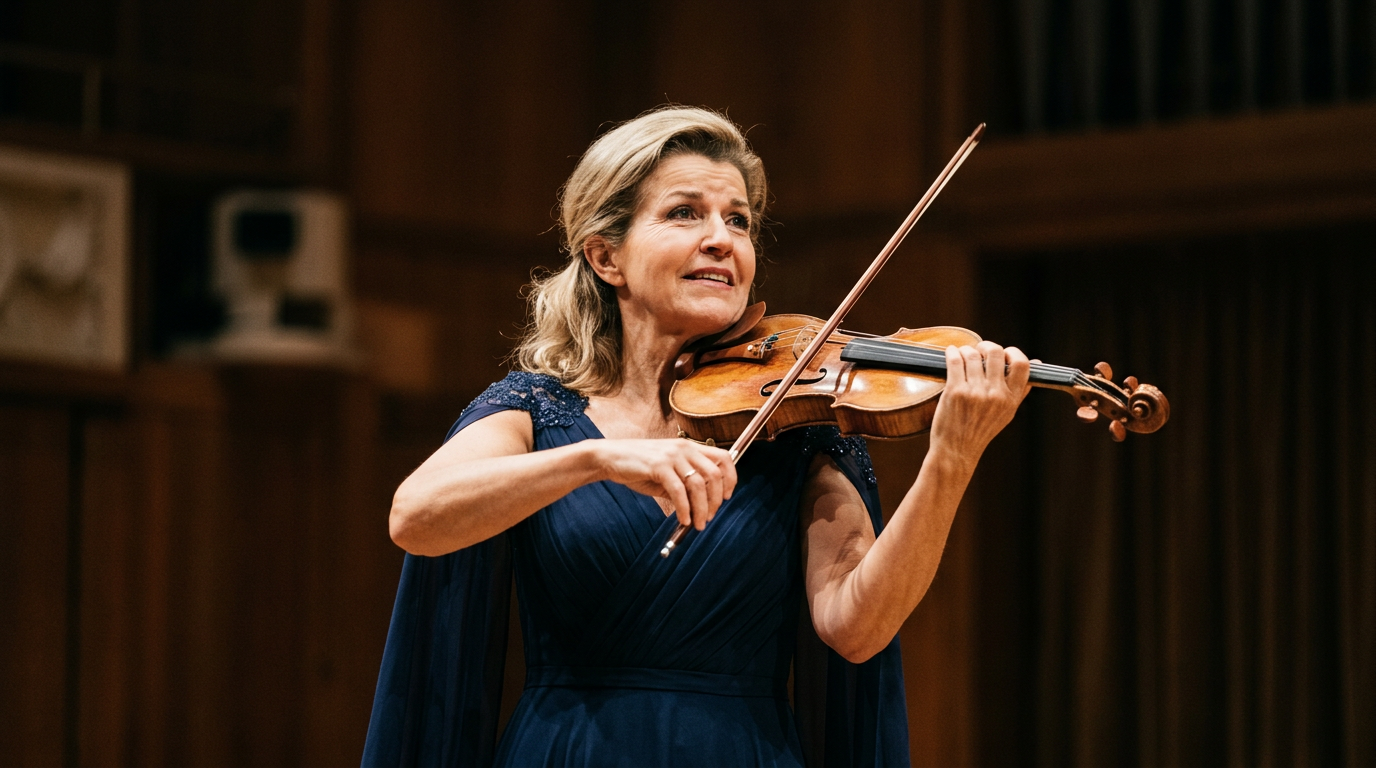
German Cultural Landscape Braces for "Patriotic Turn" as AfD Eyes Funding Revisions

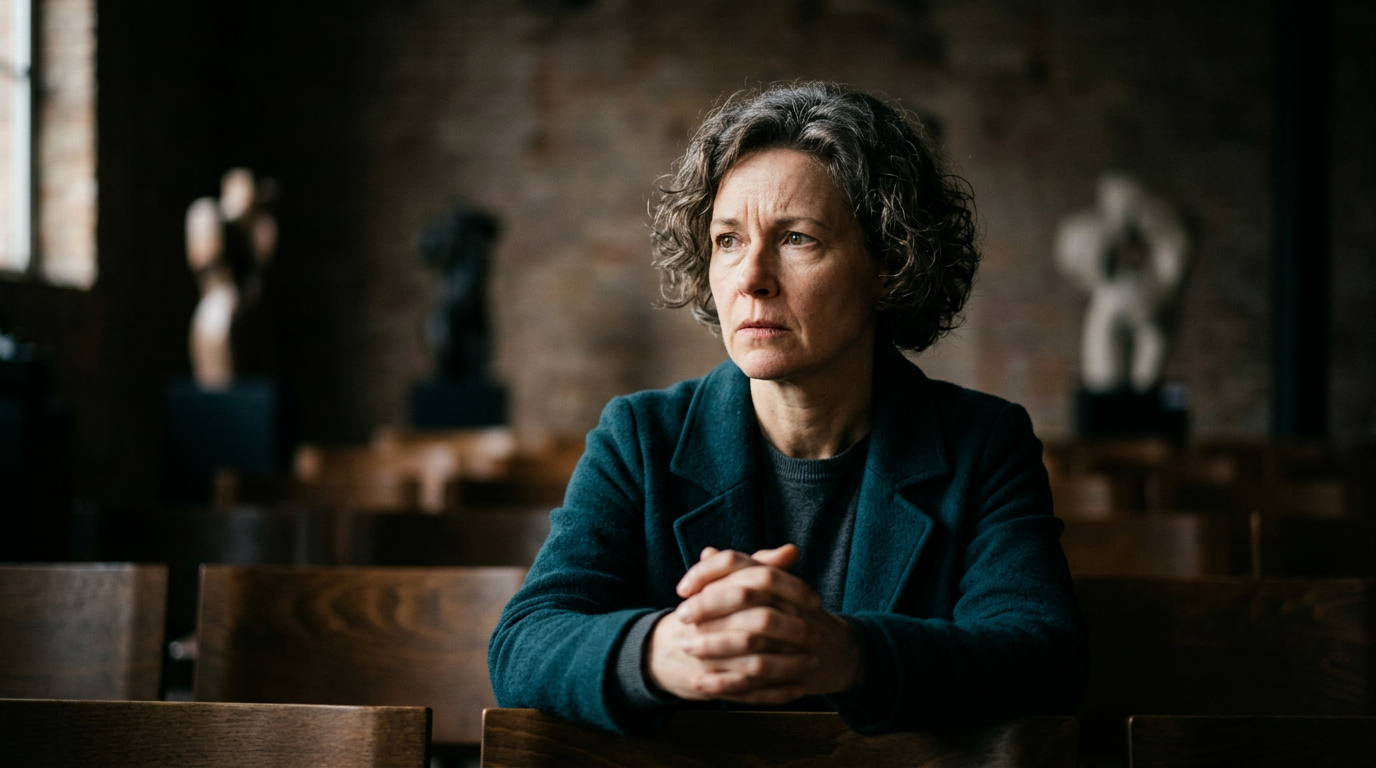
Germany's vibrant cultural landscape faces a significant challenge as the far-right Alternative for Germany (AfD) party signals its intent to drastically reshape cultural funding if it gains power, particularly in upcoming state elections. The party's proposals for a "patriotic turn" in cultural policy, aiming to prioritize what it terms a "self-confident German identity," have ignited widespread alarm among artists, cultural institutions, and political observers who fear a curtailment of artistic freedom and diversity. The looming debate centers on the very definition and purpose of publicly funded culture in a democratic society.
The AfD's Vision: A Redefined Cultural Identity
The core of the AfD's cultural agenda, most prominently articulated in its Saxony-Anhalt government program, calls for a reorientation of public arts funding towards projects that contribute to a "self-confident German identity." This entails a critical re-evaluation of Germany's remembrance culture, with an emphasis on the "positive sides" of German history. The party advocates for a greater focus on German works in publicly funded theaters and proposes replacing existing campaigns like "#moderndenken" (think modern) with "#deutschdenken" (think German). Cultural associations seeking state funding would also be required to demonstrate a "credible commitment" to a "patriotic stance." Beyond direct funding cuts, the AfD has also targeted specific academic fields, pledging to abolish gender and post-colonial studies and to curb what it perceives as "leftist 1960s radical teaching" in universities.
This proposed shift is not merely philosophical; it carries tangible implications for institutions ranging from contemporary art centers to educational programs. The party's platform has explicitly targeted "anti-German art and culture" and has singled out institutions like the Bauhaus for "avoiding any sign of national rootedness." While AfD representatives claim they do not wish to forbid anything but rather to support what aligns with their vision, critics argue this constitutes a form of ideological control over artistic expression. The model for this cultural reorientation, according to the AfD's program, is Hungary under Viktor Orbán, where political influence over universities, theaters, and cultural institutions has demonstrably increased.
Widespread Condemnation and Defense of Artistic Freedom
In response to these proposals, a significant number of cultural institutions and artists have voiced strong opposition. In Saxony-Anhalt, over 25 cultural bodies, including the renowned Bauhaus Dessau Foundation and the Theatre of the Altmark, issued a public statement in April ahead of the state elections. They warned that the AfD's cultural policy vision could fundamentally alter the role of publicly funded culture, potentially ushering in a "nationalist cultural policy" that imperils artistic freedom, cultural diversity, and Germany's democratic culture of remembrance. This collective intervention by cultural organizations is a rare occurrence, underscoring the gravity with which the sector views the AfD's intentions.
Federal artists' associations across Germany have also reaffirmed the fundamental principles of artistic freedom and cultural funding. They specifically call for the unrestricted guarantee of artistic freedom, the preservation of the arms-length principle in public cultural funding, and the independence of professional juries. These groups emphasize that public cultural institutions are crucial spaces for open, pluralistic discourse and should remain free from political influence. Concerns extend to potential censorship, self-censorship among artists, and the politicization of art, echoing fears expressed by practitioners in regions where the AfD has already gained a stronger foothold.
The Broader Political Context and Electoral Stakes
The debate over cultural funding unfolds against a backdrop of rising support for the AfD, particularly in Eastern Germany. In Saxony-Anhalt, where state elections are slated for September, the party is currently polling significantly ahead of its rivals, sometimes reaching as high as 38-40%. Nationally, the AfD has also seen a surge in popularity, consistently ranking as the second-largest party in many polls. The party's Saxony-Anhalt branch has been officially classified as a confirmed right-wing extremist organization by the regional Office for the Protection of the Constitution, a designation that highlights the depth of concern regarding its ideological stance.
The push to redefine culture is part of a broader ideological platform that often challenges democratic norms. Recent legal rulings, such as the German Constitutional Court's decision to cut state funding for the far-right party Die Heimat (formerly NPD) due to its anti-democratic goals, have intensified discussions about the implications for the AfD. While this specific ruling targeted a smaller party, it has fueled a national conversation about preventing public funds from supporting organizations deemed hostile to the constitution. The AfD, however, dismisses such criticisms as politically motivated and maintains its policies do not threaten any specific groups.
Implications for Germany's Cultural Future
The potential for the AfD to influence or control cultural policy in states like Saxony-Anhalt raises profound questions about Germany's cultural future. Cultural institutions, especially in rural eastern Germany, are often more than just venues for art; they serve as vital community meeting points, educational spaces, and among the few remaining public places for collective gathering. Many of these rely heavily on state funding, making cultural policy a matter with tangible consequences for everyday life. The proposed cuts and reallocations could disproportionately affect smaller, independent cultural scenes, while potentially redirecting funds to larger, more established institutions that align with a "patriotic" narrative.
The concerns extend beyond artistic output to the very fabric of democratic discourse. Critics argue that a "patriotic turn" could stifle critical perspectives, limit international collaborations, and narrow the scope of historical inquiry, particularly regarding Germany's complex past. Such a shift could jeopardize Germany's reputation as a diverse and open cultural hub, potentially deterring international artists and scholars. The ongoing debate underscores a fundamental struggle over who defines culture and what role it should play in reflecting, shaping, and challenging national identity in a modern, pluralistic society.
Related Articles


Yayoi Kusama, Visionary Artist Whose Polka Dots and Infinity Rooms Transformed Modern Art, Dies at 97
TOKYO – Yayoi Kusama, the avant-garde Japanese artist whose kaleidoscopic visions of polka dots, immersive "Infinity Mirror Rooms," and profound exploration of mental health captivated global audiences for over six...

Martin Walser: Germany's Acclaimed Author and Enduring Enigma
Martin Walser, a literary titan whose prolific career spanned decades and garnered numerous accolades, carved out a unique and often contentious space within German letters. While celebrated for his keen observations of...