German Election Puts Sports in the Spotlight Amid Olympic Bid
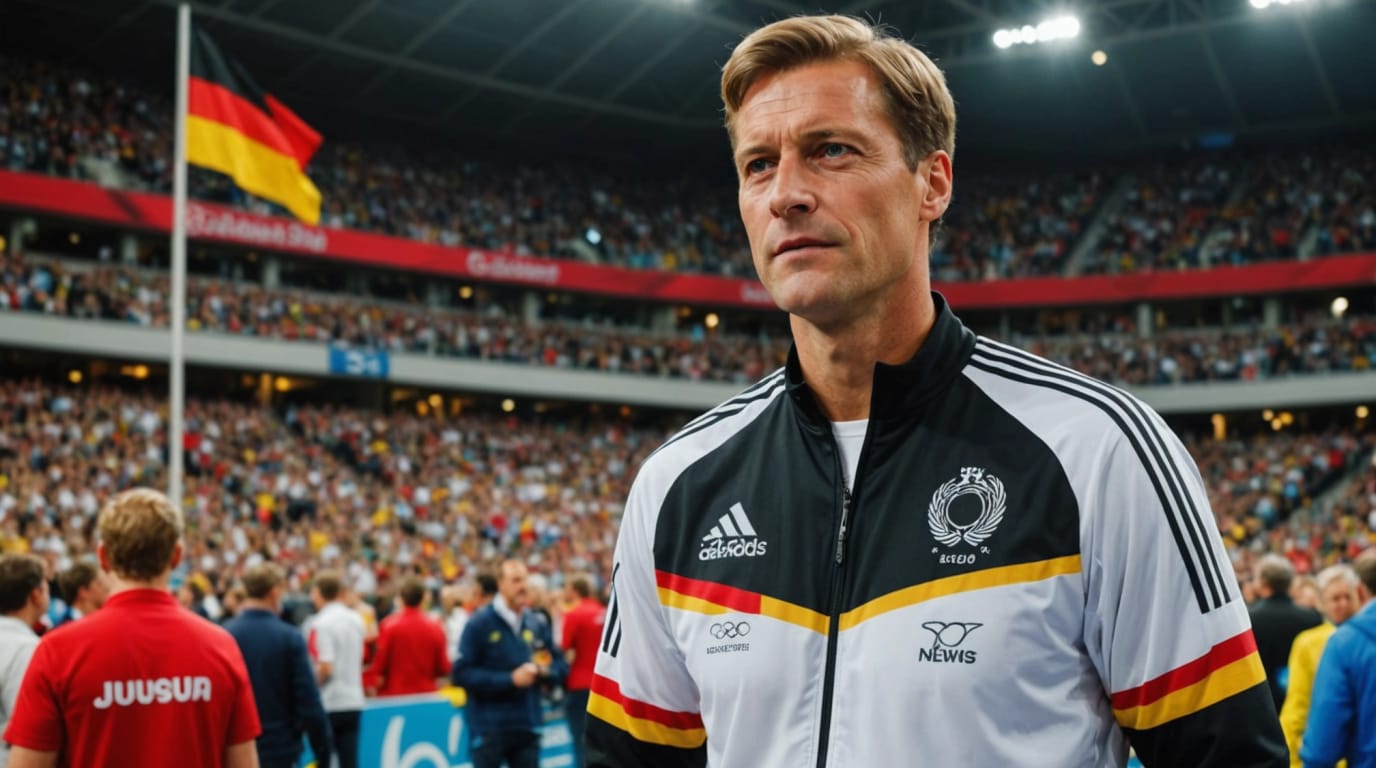
Germany's recent general election has brought sports policy into sharp focus, with multiple parties outlining their plans for the sector as the nation contemplates a bid to host the Olympic and Paralympic Games. The election results could significantly impact the future of German sports, ranging from grassroots development to the potential for hosting major international events.
Several political parties addressed sports in their manifestos, signaling a response to citizens' demands for better representation and support for athletics. With German athletes' performance declining since 1990, key figures in the sports community have called for structural changes and increased investment. The election outcome and the subsequent government formation will determine the extent to which these demands are met.
Calls for a Dedicated Sports Minister
A central demand from German sports leaders is the creation of a dedicated sports minister. Currently, sports responsibilities are integrated into the Minister of Interior's duties. Bernd Neuendorf, President of the German Football Federation (DFB), Thomas Weikert, President of the German Olympic Sports Confederation (DOSB), and Friedhelm Beucher from the German Paralympic Committee (DBS) have jointly advocated for this change. They argue that a dedicated minister would give sports the attention and resources it deserves, raising its status within the government and society. Neuendorf emphasized that sports in Germany must finally be given the status it deserves in society and that infrastructure must improve to provide citizens with better opportunities.
Athlete Demands and Party Platforms
Athleten Deutschland (Athletes Germany), an organization representing German athletes, released an appeal urging politicians to commit to reforms. Their demands include providing the best environment for athletes, ensuring fair working conditions for coaches, and developing a nationwide sports strategy. Most parties addressed these concerns in their platforms, with the center-left Social Democratic Party (SPD), the center-right Christian Democrats (CDU), the Greens, the neoliberal Free Democratic Party (FDP), and the left-wing Left Party offering detailed proposals. However, the Sarah Wagenknecht Alliance (BSW) remained vague on sports policy, and the far-right Alternative for Germany (AfD) did not address the topic in their election manifesto. Gender equality is also central to several parties' sports plans.
Olympic Bid and Political Support
Germany has officially expressed its intention to bid for the Olympic and Paralympic Games, with the Federal Minister of the Interior and Sport, Nancy Faeser, signing the application to initiate talks with the International Olympic Committee (IOC) during the Paris Olympic Games. The CDU, SPD, Greens, and FDP have pledged to support a German bid for the 2036 or 2040 Games. However, the FDP stipulated that their support is contingent on the bid meeting ecological, economic, and humanitarian standards, as well as upholding the traditional values of sport. The German Government is supporting Germany's Olympic bid financially and with the greatest possible cross-party political commitment. Between 2024 and 2027, the Federal Government will provide around seven million euros for the bid. Among other things, these funds will be used to develop a bidding strategy and to finance the relevant feasibility studies.
Public Opinion and Referendum
The DOSB has agreed to hold a general referendum in 2024 to allow the public to decide whether any plans move forward. Under the new IOC bidding rules interested bidders must demonstrate strong public and government support before they are accepted as candidates. German officials intend to campaign throughout 2023 to skew the numbers in a positive direction. While a recent survey indicated that two-thirds of Germans support a potential bid, past experiences, such as the failed Hamburg 2024 bid, highlight the need for careful consideration of public sentiment.
Implications for German Sports
The outcome of the German election and the subsequent policy decisions will have far-reaching implications for the nation's sports landscape. Increased investment, structural reforms, and a dedicated sports minister could revitalize German athletics and improve performance at the international level. A successful Olympic bid could bring significant economic and social benefits, but it also requires careful planning and public support. The next few years will be crucial in shaping the future of German sports and determining its role in society.
In conclusion, the German election has placed sports policy firmly on the agenda. The new government will face the challenge of addressing the demands of athletes, sports organizations, and the public while navigating the complexities of an Olympic bid. The decisions made in the coming months will determine the future of German sports for years to come.