German High Court Upholds Reunification Solidarity Tax
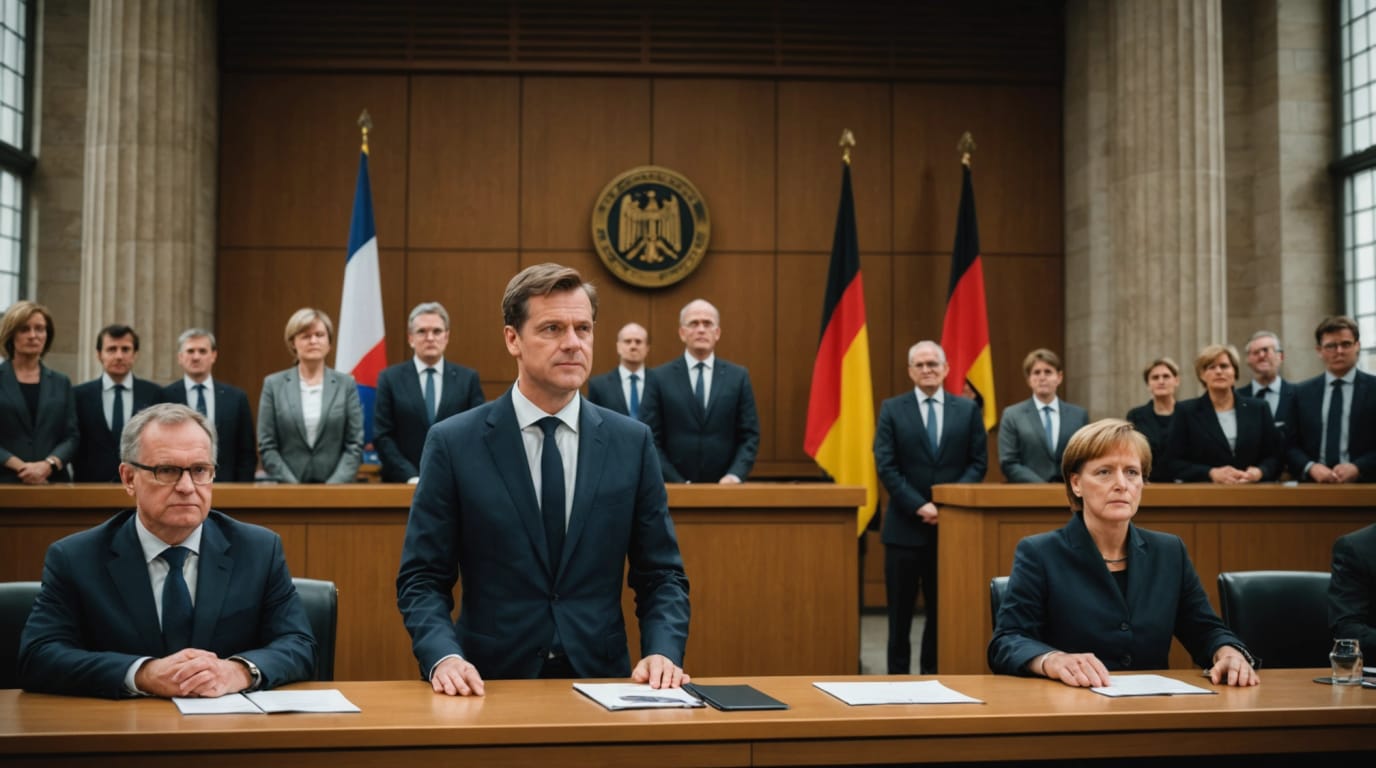
Germany's Federal Constitutional Court has ruled in favor of the government, upholding the so-called "solidarity surcharge" levied on taxpayers and companies since the early 1990s to address the financial disparities between the former East and West Germany following reunification. The decision, announced Wednesday in Karlsruhe, averts a potential fiscal crisis for the government, which could have been forced to return billions of euros had the court ruled the tax unconstitutional.
The "solidarity surcharge," or "Soli," was initially introduced in 1991 to help finance the integration of the German Democratic Republic (GDR) into the Federal Republic of Germany. The reunification presented a significant economic challenge, requiring substantial investment in infrastructure, economic development, and social programs to bring the East German standard of living closer to that of the West.
The tax, which amounts to 5.5% of income and corporation tax, has faced numerous legal challenges over the years. Plaintiffs, often backed by economically liberal lawmakers, have argued that the "Soli" violates the German constitution, particularly the principle of equal treatment under the law. Their argument centers on the fact that the original "solidarity pact" designed to split the costs of reunification expired in 2019. Furthermore, critics point out that since 2021, roughly 90% of taxpayers have been exempt from the surcharge, leading to accusations of unequal burden-sharing.
The court's decision addresses these concerns, asserting that the tax remains constitutional as a supplementary levy designed to meet specific financial obligations related to the ongoing costs of reunification. While the majority of taxpayers are now exempt, the court acknowledged the government still faces financial burdens stemming from reunification. These include debt obligations assumed from the former GDR and the continued need for infrastructure upgrades in the eastern states.
Last year, the "Soli" contributed approximately 12.6 billion euros ($13.6 billion) to the German government's coffers. This revenue is a significant source of funding for various government programs and initiatives. Had the court ruled against the tax, the government would have faced a substantial budget shortfall, potentially requiring cuts to public spending or increases in other taxes.
The plaintiffs in the case, primarily members of the pro-business Free Democrats (FDP), argued that the tax's continued existence is no longer justified, given the progress made in integrating East and West Germany. They contended that the original purpose of the tax has been fulfilled and that it now represents an unfair burden on taxpayers and businesses.
The ruling has been met with mixed reactions. Government officials have expressed relief, emphasizing the importance of the "Soli" for maintaining fiscal stability and supporting ongoing efforts to address regional disparities. Critics, however, have vowed to continue their fight against the tax, arguing that it hinders economic growth and discourages investment.
The German Taxpayers Association has been a vocal opponent of the "Soli" for many years, arguing that it has become a permanent tax despite its original temporary nature. The association contends that the funds generated by the tax are not always used effectively and that they should be redirected to more productive uses.
The debate over the "solidarity surcharge" reflects broader tensions within German society regarding the legacy of reunification and the ongoing challenges of integrating the former East Germany. While significant progress has been made in bridging the economic gap between East and West, disparities persist in areas such as income, employment, and wealth.
The court's decision is likely to fuel further discussion about the future of the "Soli" and the appropriate level of government intervention in addressing regional inequalities. While the tax remains in place for now, its long-term viability will depend on the continued evolution of the German economy and the ongoing debate about fairness and fiscal responsibility.
The ruling underscores the complex interplay between legal, economic, and political considerations in shaping tax policy. It also highlights the enduring legacy of German reunification and the ongoing efforts to create a more unified and equitable society. The "solidarity surcharge," once intended as a temporary measure, has become a symbol of these efforts, and its fate will continue to be a subject of intense debate in the years to come.