German LGBTQ+ Community Mobilizes in Defiance After Berlin Pride Attack
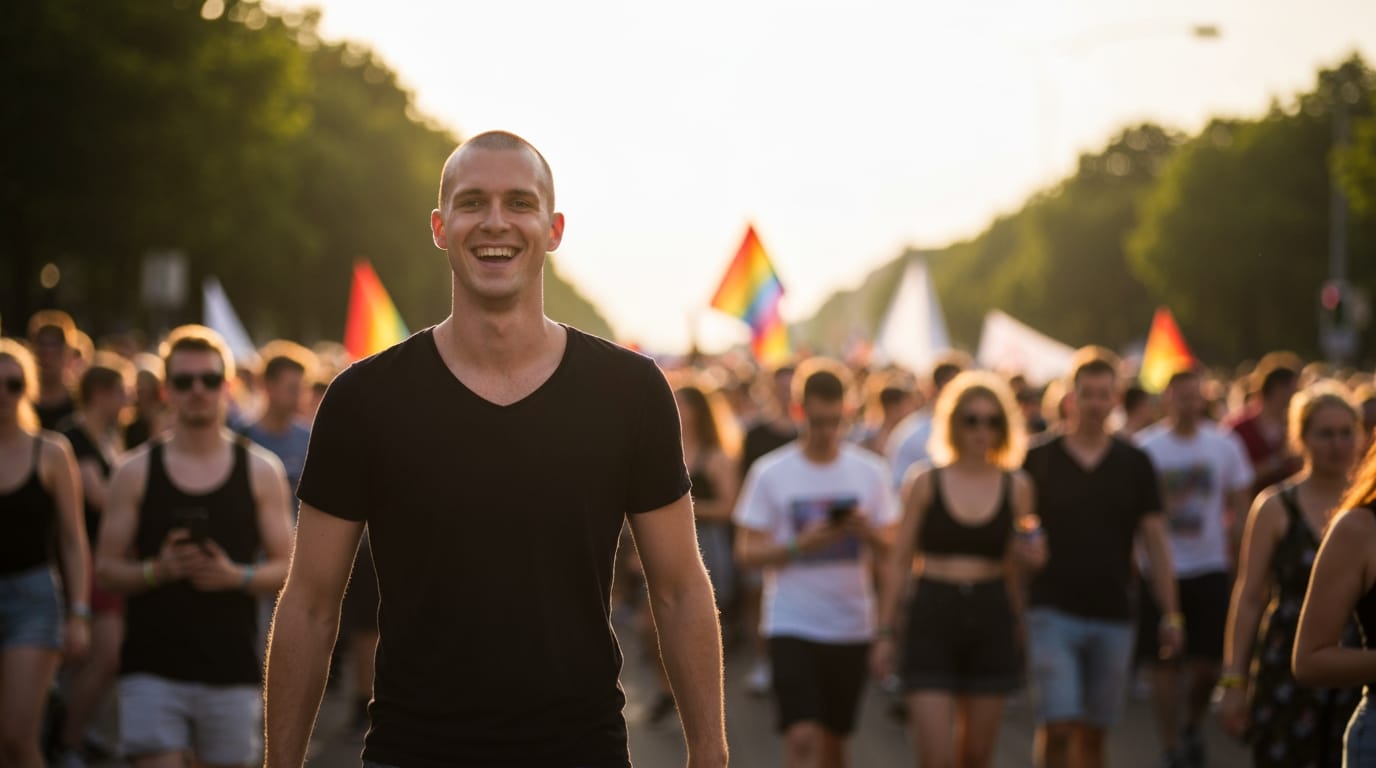
BERLIN – In the wake of a horrific vehicle-ramming and slashing attack that claimed one life and injured dozens during Berlin's Christopher Street Day (CSD) celebrations on July 25, 2026, Germany's LGBTQ+ community and its allies are rallying with renewed determination. The tragic incident, officially classified as an Islamist terrorist attack, has ignited a wave of solidarity, leading to immediate remembrance gatherings and a commitment to proceed with planned Pride marches across the nation, transforming sorrow into a powerful display of resilience and defiance.
The Attack That Shook Berlin Pride
The evening of July 25, 2026, turned catastrophic when Abdul Ballout, a 21-year-old Lebanese-German national, drove a van into a crowd of pedestrians on the Ahornsteig pedestrian path in Tiergarten, Berlin. The area was bustling with individuals attending the closing festivities of Berlin Pride, one of Europe's largest LGBTQ+ celebrations, which had drawn hundreds of thousands of participants earlier in the day. After crashing the vehicle into a tree, Ballout allegedly attacked bystanders with a machete before fleeing the scene. The assault resulted in the death of one woman and left 29 others injured, several critically.
The attack unfolded around 10:00 PM CEST, forcing the immediate cancellation of the remaining Pride event near the Brandenburg Gate. Police launched an extensive manhunt for Ballout, who was known to authorities for his ties to Berlin's "Islamist scene" and had a record of previous offenses, including a suspended sentence for planning an attack just two months prior. Prosecutors indicated he had previously sought to join the militant Islamic State group. The following day, July 26, Ballout was fatally shot by police in Spandau after he confronted officers with a bladed weapon during their attempt to arrest him.
German Interior Minister Alexander Dobrindt swiftly labeled the incident an "Islamic terrorist attack," a sentiment echoed by Chancellor Friedrich Merz, who condemned it as a "heinous act" and an "attack on our society". Berlin's governing mayor, Kai Wegner, lamented the assault as an "attack on our free and cosmopolitan society," emphasizing that "Berlin is the city of freedom — and our freedom has been horribly attacked today".
A Community United in Grief and Defiance
In the immediate aftermath, the shock and grief within Berlin's LGBTQ+ community were palpable. Alfonso Pantisano, Berlin's queer-affairs commissioner, described the day as one of "great mourning." However, sorrow quickly coalesced into solidarity and a powerful resolve not to be silenced. On July 26, just hours after the attack, an estimated 10,000 people gathered at Pariser Platz for a remembrance rally, far exceeding the initial registration of 600 attendees. A memorial march from Marienkirche to the Brandenburg Gate was also planned for the same afternoon, drawing people together to mourn and stand firm against hate.
The sentiment of defiance resonated deeply. Ashley Jump, a U.K. resident who traveled for Berlin Pride, articulated this resilience, stating, "They'll never erase us, we'll never be gone. As long as humanity has existed, we've existed. And as long as humanity exists, we will exist. We will not be removed". Andre Lehmann, a top official with the national LGBTQ+ association LSVD+, underscored that the attack targeted people fighting for their rights and diversity, making it "a political act". These gatherings and statements are a clear signal that the community intends to respond to violence not with fear, but with an amplified call for acceptance and safety, and by continuing to visibly celebrate their identities through planned Pride events in other cities like Hamburg, Nuremberg, and Dortmund.
The Shadow of Rising Hate Crimes
The attack in Berlin did not occur in isolation but against a troubling backdrop of escalating hate crimes targeting the LGBTQ+ community in Germany. Data reveals a significant and sustained increase in violence and discrimination. In 2022, over 1,000 homophobic hate crimes were recorded, marking a 15% increase compared to 2021. Sven Lehmann, the Federal Government Commissioner for the Acceptance of Sexual and Gender Diversity, highlighted that an alarming three to four queer individuals are assaulted daily in Germany.
Politically motivated crimes against LGBTQ+ people surged dramatically in 2023, with violent attacks reaching new records. This includes a 50% increase in offenses against sexual orientation and a 15% increase in offenses against gender diversity from the previous year. Despite Germany's progressive legal framework for LGBTQ+ rights, activists have repeatedly warned of this growing threat, which emanates from both Islamist and far-right extremist circles. The majority of these hate crimes, approximately 87%, go unreported, often due to shame or distrust. The Berlin attack underscores the urgent need for enhanced protective measures and a more robust response to this persistent and often invisible violence.
Calls for Action and Political Fallout
The heinous act has spurred immediate political discourse regarding Germany's security apparatus and laws concerning extremism. Chancellor Merz pledged to address security gaps with "prudence but also determination," while German officials have called for tighter laws against known extremists. The fact that Abdul Ballout, despite being known to police and having received a suspended sentence for planning an attack, was able to carry out such a devastating act has led to intense scrutiny of judicial processes and counter-terrorism strategies. Germany is now reviewing its terror laws and judicial practices, particularly concerning individuals convicted of preparing serious acts of violence.
The anti-migration, anti-Islam Alternative for Germany (AfD) party, which currently tops national opinion polls, seized the opportunity to criticize the government for what it perceives as a failure to address Islamist radicalism in Germany. This political maneuvering highlights the complex and often divisive nature of addressing extremist threats within a diverse society.
Resilience in the Face of Terror
As Germany grapples with the aftermath of the Berlin Pride attack, the enduring message from the LGBTQ+ community and its supporters is one of unbreakable spirit. The planned Pride marches and ongoing rallies represent more than just remembrance; they are powerful affirmations of identity, freedom, and the unwavering commitment to a tolerant and inclusive society. While the attack brought profound sorrow and exposed the persistent threat of hate, it has also galvanized a community and its allies to stand even stronger, advocating for safety, acceptance, and the right to celebrate openly without fear. The path forward involves not only justice for victims but also a collective rededication to combating all forms of extremism and hate, ensuring that the values of diversity and freedom truly prevail.