German Military Grapples With Severe Soldier Shortage Amidst Rising Security Concerns
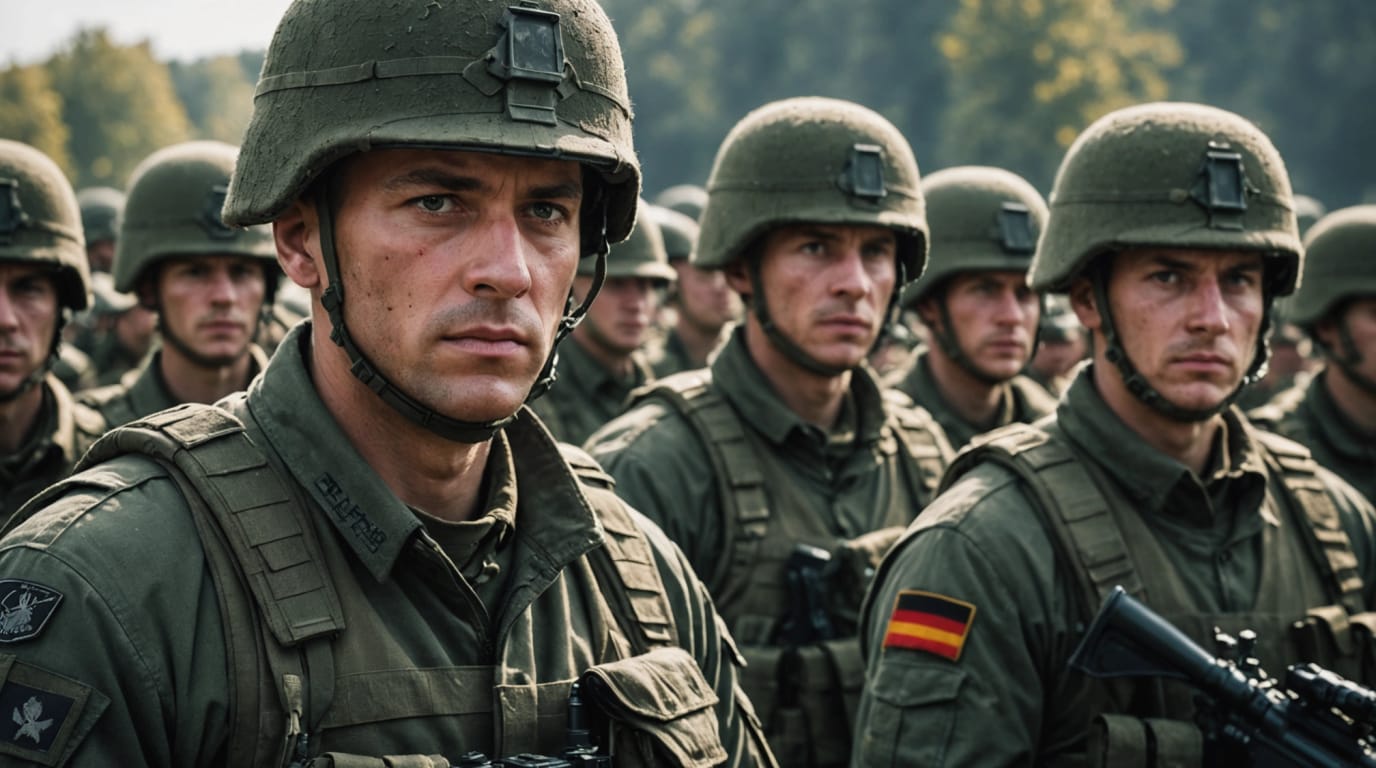
BERLIN – The German military, the Bundeswehr, is facing a critical shortage of personnel, threatening the nation's ability to meet its defense commitments and raising concerns about its readiness in an increasingly unstable geopolitical landscape. Despite increased defense spending and efforts to modernize the armed forces, recruitment and retention challenges persist, prompting a renewed debate about potential solutions, including the reintroduction of conscription.
The shortfall in soldiers comes at a particularly sensitive time, as Germany and its NATO allies grapple with the implications of the ongoing war in Ukraine and growing tensions with Russia. The conflict has exposed vulnerabilities in European defense capabilities and underscored the need for a strong and capable military force. However, the Bundeswehr's struggle to maintain adequate troop levels raises questions about its ability to respond effectively to potential threats.
Several factors contribute to the Bundeswehr's recruitment woes. Germany ended conscription in 2011, transitioning to an all-volunteer force. While this move was initially intended to create a more professional and efficient military, it has since proven difficult to attract and retain enough qualified personnel. The strong German economy and competitive job market offer attractive alternatives to military service, particularly for young people. Furthermore, some potential recruits may be deterred by the demanding nature of military life, including deployments abroad and the potential for combat. Negative perceptions of military service and shifting expectations of work-life balance also play a role.
The consequences of the soldier shortage are far-reaching. A lack of personnel can strain existing resources, limit the Bundeswehr's ability to conduct training exercises, and hinder its capacity to deploy troops for peacekeeping or crisis response operations. It also affects Germany's ability to meet its commitments to NATO, which requires member states to maintain a certain level of military readiness. The German government had aimed to increase the size of the army to 203,000 soldiers by 2031, but it now acknowledges that this goal is unattainable.
Defense Minister Boris Pistorius has proposed several measures to address the personnel shortage, including increasing recruitment efforts, improving working conditions for soldiers, and offering financial incentives to attract and retain talent. However, these efforts have so far yielded limited results. The German government is also exploring alternative approaches, such as relaxing citizenship requirements for foreign nationals who wish to join the Bundeswehr. This proposal has sparked controversy, with some critics raising concerns about loyalty and integration.
The debate over conscription has intensified in recent months. Proponents argue that reintroducing mandatory military service would provide a much-needed boost to troop numbers and help to foster a sense of national unity. They point to the examples of other European countries, such as Finland and Sweden, which have maintained conscription and have relatively strong military reserves. However, opponents argue that conscription is an outdated and inefficient system that would be unpopular with the public and could harm the German economy. They also raise concerns about the cost of training and equipping a large conscript army.
Pistorius has presented a proposal to address the soldier shortage, garnering support from both the Social Democrats and Conservatives. While not a full return to conscription, the plan envisions a model of national service that would involve a comprehensive survey of young people's interest in military or civilian service. This would be followed by a selective recruitment process, prioritizing individuals who are particularly motivated and qualified. The details of the plan are still being worked out, but it represents a significant shift in thinking about how to address the Bundeswehr's personnel challenges.
Beyond recruitment, retention is also a major concern. A recent report submitted to the German parliament revealed that over 1,500 soldiers left the Bundeswehr in 2023, further reducing its size. Many soldiers are leaving due to dissatisfaction with working conditions, lack of career opportunities, and the demanding nature of military life. To address this issue, the government is implementing measures to improve soldiers' quality of life, such as increasing pay, providing better housing, and offering more flexible work arrangements.
The shortage of soldiers in the German military is a complex and multifaceted problem with no easy solutions. It reflects broader trends in European defense, including declining populations, changing attitudes towards military service, and increasing competition for skilled labor. Addressing this challenge will require a comprehensive approach that includes not only recruitment and retention efforts but also a fundamental rethinking of the role of the military in German society. The outcome of this debate will have significant implications for Germany's security and its ability to contribute to collective defense efforts within NATO.