German Parliament to Debate Debt Brake Reform Amidst Economic Concerns
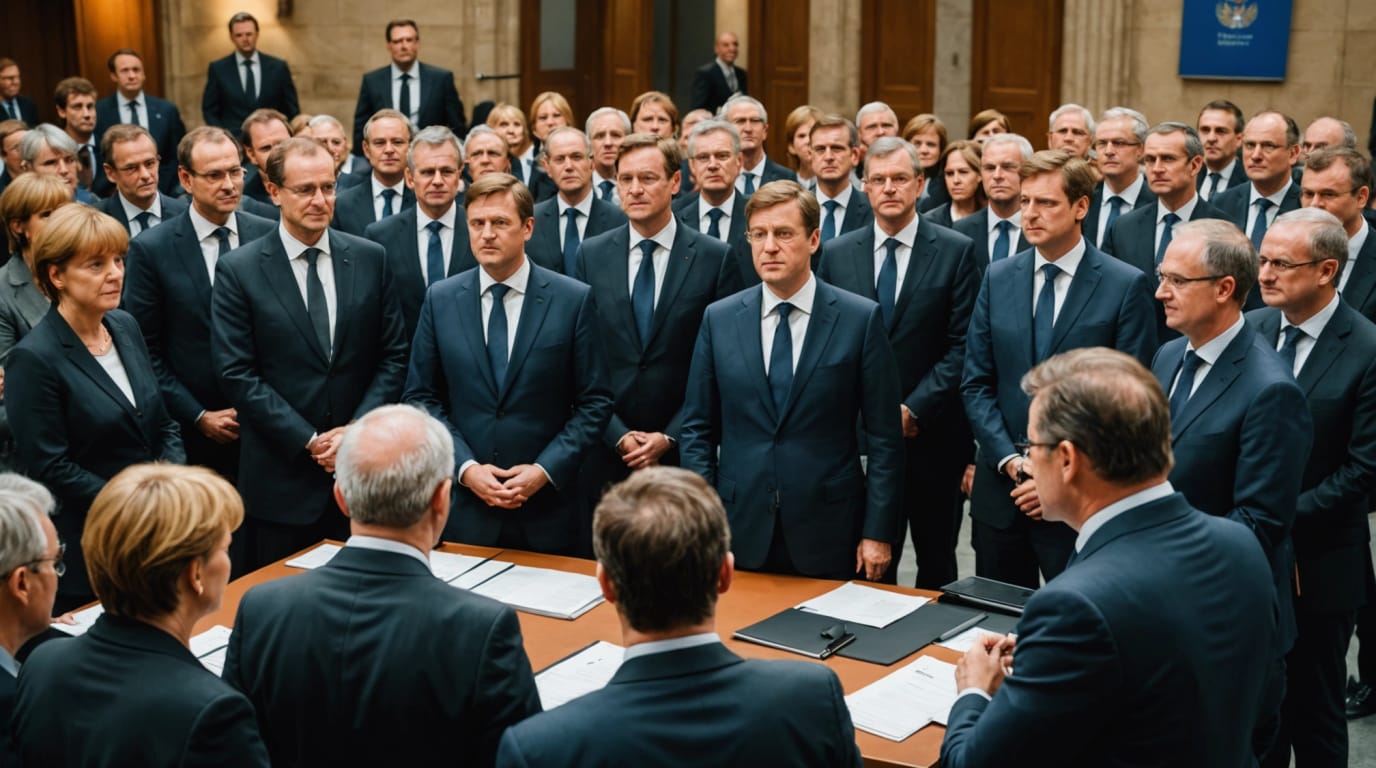
Germany's parliament, the Bundestag, is set to debate reforming the country's debt brake, a constitutional mechanism limiting government borrowing, starting March 13, with a vote scheduled for March 18. This debate comes amid growing concerns about Germany's sluggish economic growth, increasing pressure to invest in defense and infrastructure, and a shifting political landscape. The outcome of this debate could significantly impact Germany's fiscal policy and its ability to address pressing economic and social challenges.
What is the Debt Brake?
The debt brake, or Schuldenbremse in German, is a fiscal rule enshrined in the German constitution (Basic Law) in 2009. It was introduced in response to the 2008-2009 global financial crisis, during which the German government incurred substantial debt to stabilize banks and stimulate the economy. The primary goal of the debt brake is to ensure the long-term stability of public finances by limiting structural budget deficits at the federal level and prohibiting federal states from taking on new net debt.
Specifically, the debt brake restricts the annual structural deficit of the federal government to a maximum of 0.35% of Germany's gross domestic product (GDP). The 16 federal states (Länder) are completely prohibited from incurring new net debt since 2020. This is a stricter requirement compared to the European Union's fiscal rules, which allow member states to have budget deficits of up to 3% of GDP.
The debt brake is not absolute. It allows the government to exceed borrowing limits during national emergencies or severe economic recessions. In such cases, the government can invoke an emergency clause to suspend the debt brake temporarily.
The Debate Over Reform
The debt brake has been a subject of ongoing debate among economists and politicians since its inception. Proponents argue that it is essential for maintaining fiscal discipline, preventing excessive debt accumulation, and ensuring intergenerational fairness. They believe that limiting government borrowing fosters economic stability, encourages private sector investment, and strengthens Germany's position within the European Union.
Opponents, however, argue that the debt brake hinders necessary public investment in crucial areas such as infrastructure, education, and climate change mitigation. They contend that the strict borrowing limits restrict the government's ability to respond effectively to economic downturns and address pressing social and environmental challenges. Critics also point out that Germany's public debt, at approximately 63% of GDP, is relatively low compared to other major economies, suggesting that the country has ample fiscal space to increase borrowing for investment purposes.
Several proposals for reforming the debt brake have been put forward. These include:
- Raising the borrowing limit: Increasing the current ceiling of 0.35% of GDP to allow for higher annual structural debt.
- Exempting investments: Excluding specific investments, such as those in infrastructure or climate change mitigation, from the debt brake's limits.
- Introducing flexibility: Linking annual borrowing limits to the overall level of public debt, allowing for a higher borrowing cap when total debt is relatively low.
- Creating special funds: Establishing investment funds enshrined in the Basic Law, with interest payments on loans from the fund covered by the regular budget.
Political Landscape
The debate over debt brake reform has become increasingly politicized in recent years. The now dissolved "traffic light" coalition government, consisting of the Social Democratic Party (SPD), the Green Party, and the Free Democratic Party (FDP), struggled to reach a consensus on the issue, contributing to the coalition's collapse in November 2024.
The FDP, traditionally committed to fiscal conservatism, has been a strong supporter of maintaining the debt brake in its current form. The SPD and the Greens, on the other hand, have advocated for reforming the debt brake to allow for increased public investment.
Following the February 2025 elections, the political landscape has shifted. The Christian Democratic Union (CDU) and its Bavarian sister party, the Christian Social Union (CSU), emerged as the largest bloc in the Bundestag. While the CDU/CSU has historically been a strong advocate of the debt brake, there are signs that the party may be open to some reforms, particularly in light of the need to increase defense spending and invest in infrastructure.
However, any changes to the debt brake require a two-thirds majority in both the Bundestag and the Bundesrat (the upper house of parliament, representing the federal states). With the Alternative for Germany (AfD) and the Left Party holding a significant number of seats in the Bundestag, achieving this majority may prove challenging.
Implications for Germany and Europe
The outcome of the debt brake debate will have significant implications for Germany's economy and its role in Europe. Reforming the debt brake could unlock substantial public investment, potentially boosting economic growth, creating jobs, and addressing critical infrastructure gaps. It could also enable Germany to play a more active role in addressing climate change and promoting sustainable development.
However, increasing government borrowing also carries risks. It could lead to higher interest rates, increased inflation, and a loss of confidence in Germany's fiscal stability. It could also strain relations with other European countries, particularly those that are already struggling with high levels of debt.
The debate over Germany's debt brake reflects a broader debate about the role of fiscal policy in promoting economic growth and social well-being. As Germany grapples with these challenges, its decisions will have far-reaching consequences for its own future and for the future of Europe.
Conclusion
As the German parliament prepares to debate the debt brake reform, the stakes are high. The outcome will shape the country's economic trajectory for years to come. Finding a balance between fiscal discipline and the need for strategic investment will be crucial for ensuring Germany's long-term prosperity and its ability to meet the challenges of the 21st century. The debate promises to be intense, with significant implications for Germany, Europe, and the global economy.