German Prosecutors Arrest Rwandan Genocide Suspect in Landmark Case
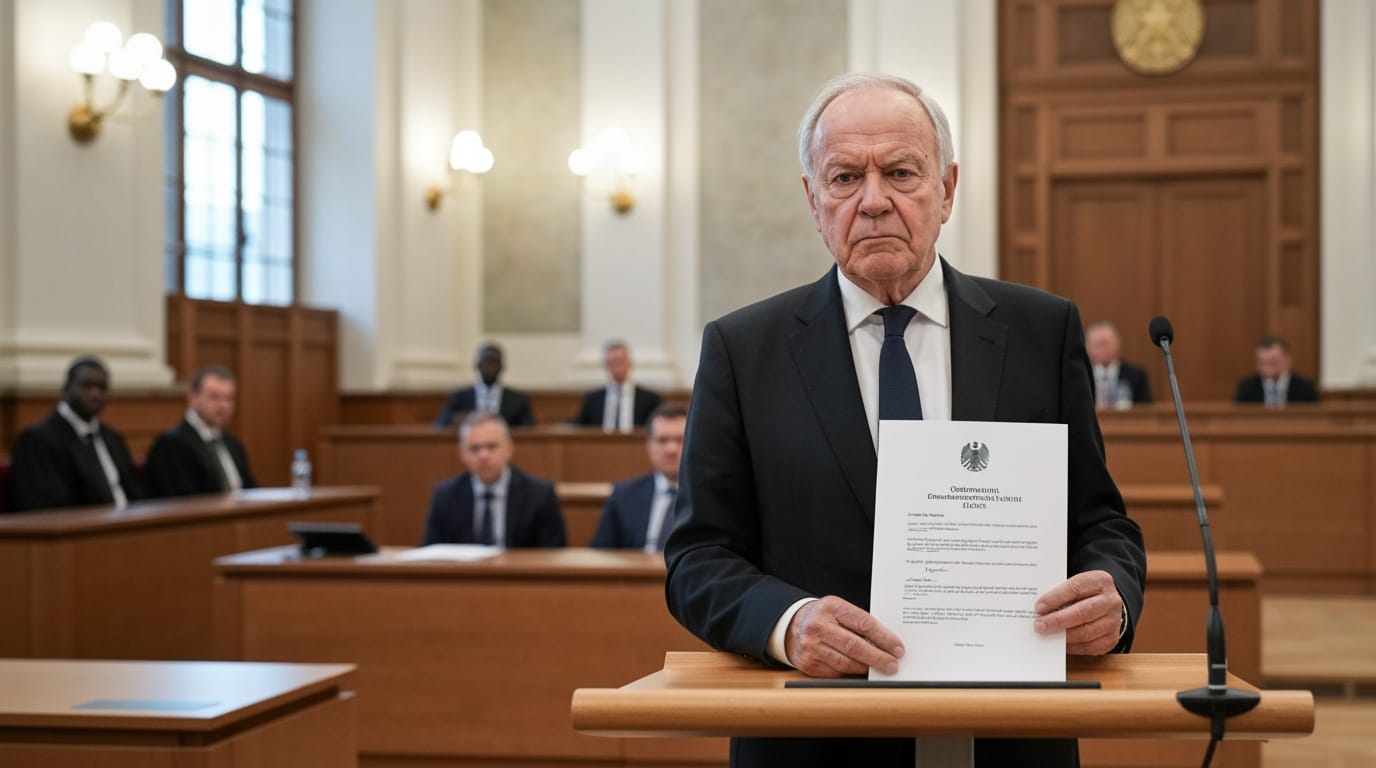
BERLIN – In a significant development in the decades-long pursuit of justice for the 1994 Rwandan genocide, German prosecutors have arrested a German-Rwandan national, identified as Innocent S, on suspicion of being an accomplice to genocide and facing 25 counts of murder. The arrest, announced Wednesday, July 1, 2026, marks another instance of Germany leveraging its universal jurisdiction laws to prosecute alleged perpetrators of the atrocities that claimed more than 800,000 lives.
Allegations Detail Horrific Crimes in Kayove
The arrest of Innocent S took place in the central German state of Hesse. According to prosecutors, the suspect is accused of ordering the deaths of 25 Tutsis on five separate occasions during the genocide. At the time of the horrific events, Innocent S served as an assistant to the mayor of Kayove in northwestern Rwanda. The charges extend beyond complicity, with prosecutors alleging that Innocent S was directly involved in the killings, including personally stabbing a victim in the chest with a knife. Furthermore, he is accused of using his administrative position to incite the extermination of Tutsis in his town and compiling death lists.
The specific and gruesome nature of the allegations underscores the brutality of the 1994 genocide, a period when local officials often played a critical role in orchestrating and executing the massacres. These charges highlight the systematic and organized nature of the violence, where individuals in positions of authority leveraged their influence to propagate and facilitate widespread killings.
The Shadow of the 1994 Rwandan Genocide
The charges against Innocent S stem from the Rwandan genocide, a harrowing 100-day period between April and July 1994, during which an estimated 800,000 Tutsis and moderate Hutus were systematically slaughtered by Hutu extremists. The violence, largely perpetrated by Hutu militias, soldiers, and ordinary citizens, devastated the East African nation and left an indelible scar on global history.
The international community's response at the time was widely criticized for its slowness and inadequacy. While German diplomats were reportedly better informed about the escalating tensions in Rwanda than previously acknowledged, they, like many others, underestimated the ethnic dimension and organized nature of the violence. Crucial warning signs, including the activities of Rwandan hate media that incited violence, were overlooked. Despite requests from the UN and Rwandan authorities for assistance, Germany ultimately rejected participation in UN peacekeeping missions in the lead-up to and during the genocide. This historical context underscores the ongoing significance of bringing alleged perpetrators to justice, even decades later, to address the profound failures of intervention and accountability.
Germany's Commitment to Universal Jurisdiction
Germany has emerged as a significant player in the global effort to prosecute individuals responsible for international crimes, employing the principle of universal jurisdiction. This legal framework allows German courts to try certain grave international crimes, such as genocide and war crimes, regardless of where they were committed or the nationality of the perpetrator or victims. This approach reflects a robust commitment to ensuring that perpetrators of mass atrocities cannot find safe haven within its borders.
This is not the first instance of Germany pursuing justice for crimes committed during the Rwandan genocide. In 2015, a German court handed down a life sentence to Onesphore Rwabukombe, a former mayor, for his role in a massacre of hundreds of Tutsis at a church in Kiziguro in April 1994. Rwabukombe had initially received a 14-year sentence, but Germany's highest appellate court rejected the verdict, citing too much clemency given the gravity of the charges, leading to the life imprisonment ruling.
Other cases include the 2017 extradition of Jean Twagiramungu to Rwanda to face charges, following his arrest in Frankfurt two years prior. Additionally, in 2008, German police arrested Callixte Mbarushimana, who was suspected of involvement in the killing of 32 United Nations staff members during the genocide. These cases, alongside the prosecution of leaders of the Democratic Forces for the Liberation of Rwanda (FDLR) in Stuttgart for war crimes committed in the Democratic Republic of Congo, demonstrate Germany's consistent application of universal jurisdiction.
A Continued Pursuit of Justice
The arrest of Innocent S serves as a powerful reminder that the passage of time does not diminish the gravity of crimes against humanity nor the determination of justice systems to hold perpetrators accountable. For the survivors and families of victims of the Rwandan genocide, each arrest represents a step toward closure and recognition of their immense suffering.
Germany's continued application of universal jurisdiction sends a clear message to individuals suspected of committing such heinous acts: there is no permanent refuge. The ongoing pursuit of justice, often decades after the events, reinforces the international legal principle that certain crimes are so egregious they concern all of humanity, transcending national borders and statutes of limitations. This unwavering commitment reflects a global effort to confront impunity and uphold the fundamental principles of international law.


