Germany Extends Lifeline to Ebola Patient, Reinforcing Global Health Commitment
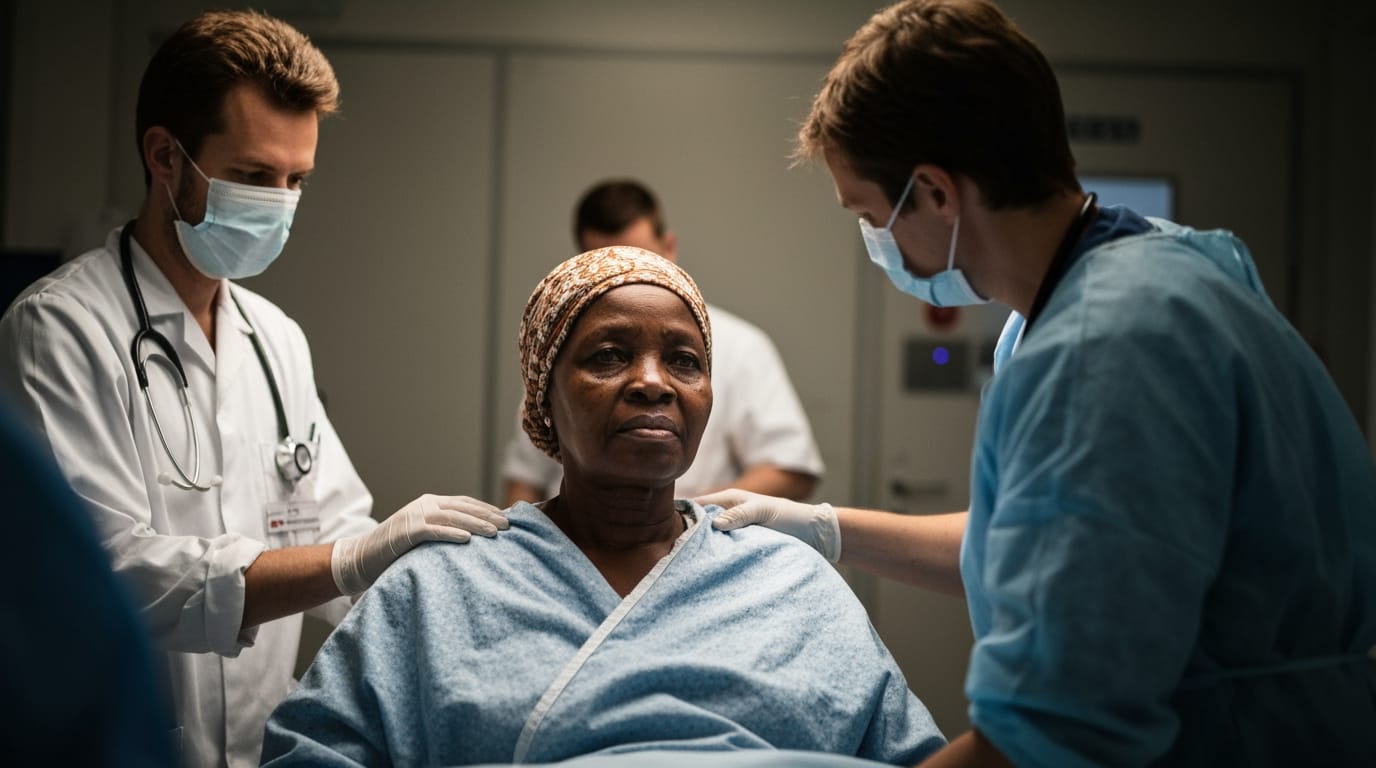
BERLIN – In a critical display of international medical solidarity and advanced preparedness, Germany has once again opened its doors to an Ebola patient, a U.S. doctor infected with the deadly virus in the Democratic Republic of Congo (DRC). Dr. Peter Stafford, a medical missionary, was recently evacuated to Berlin's highly specialized Charité University Hospital, underscoring Germany's pivotal role in combating global health emergencies. The move comes as the world grapples with a burgeoning Ebola outbreak in central Africa, highlighting the complex challenges of containing highly pathogenic diseases and the indispensable value of countries equipped to provide extreme bio-containment care.
The decision to transfer Dr. Stafford to Berlin, made at the request of U.S. authorities, was driven by a combination of logistical advantages and Germany's established expertise in managing severe infectious diseases. His arrival at the Charité hospital's high-security isolation unit marks a significant moment, demonstrating a coordinated international response to a public health threat that transcends national borders. This instance echoes Germany's vital contributions during previous outbreaks, cementing its reputation as a crucial player in global health security.
A Lifesaving Transfer: Berlin Becomes a Hub for Critical Care
Dr. Peter Stafford, a general surgeon working with the Christian mission organization Serge, contracted the Bundibugyo ebolavirus while treating patients at Nyankunde Hospital in Congo's Ituri Province. Testing positive for the virus on May 17, the urgency of his condition necessitated immediate and specialized medical evacuation. U.S. authorities reached out to Germany, requesting assistance in treating the infected doctor. Preparations quickly materialized, leading to his arrival in Berlin overnight between Tuesday and Wednesday, May 20, where he was admitted to the Charité's special isolation ward.
The logistical considerations for such a transfer are immense, involving specialized aircraft and stringent bio-containment protocols during transport. Upon disembarking in Germany, Dr. Stafford, clad in a protective suit and mask, was carefully transferred to an ambulance by similarly protected personnel, then transported in a convoy to the hospital. Adding to the complexity, Dr. Stafford's wife, Dr. Rebekah Stafford, an OBGYN, and their four young children, who had been in the DRC, are also being moved to Germany for monitoring and potential care. Another medical professional, Dr. Patrick LaRochelle, who worked alongside Dr. Stafford, is being transferred to the Czech Republic. German authorities have consistently assured the public that despite these high-profile arrivals, there is no risk of the virus spreading within Germany due to the rigorous safety measures in place.
Germany's Unrivaled Capacity in Combating High-Consequence Pathogens
Germany's readiness to accept and treat such a high-risk patient is not fortuitous but a testament to years of strategic investment and development in its public health infrastructure. The nation operates a sophisticated, nationwide network of expert centers specifically designed for the management and care of patients with highly pathogenic agents. Charité University Hospital in Berlin stands as a cornerstone of this network, boasting a high-security isolation unit integrated with an intensive care unit, providing comprehensive capabilities to treat severely ill patients with viruses like Ebola. This specialized facility is not only renowned globally but also has prior experience, having treated Ebola patients during the major West African epidemic of 2014.
The decision to choose Germany over other potential locations, including the United States, was influenced by the shorter flight times from the Democratic Republic of Congo. This reduced travel duration is crucial for the patient's well-being and minimizes potential exposure risks during transit. Moreover, Germany's long-standing experience and established protocols for handling Ebola cases, stemming from the 2014 outbreak, position it as a preferred destination for such critical medical transfers. During that epidemic, Germany treated several patients in various hospitals, with some making full recoveries, demonstrating its clinical prowess.
A Steadfast Commitment to Global Health Security
Beyond immediate patient care, Germany's willingness to treat international Ebola patients reflects a broader commitment to global health security and humanitarian aid. During the 2014 West African Ebola crisis, Germany was a significant contributor to the international response, providing approximately 17 million euros in financial aid, much of which was channeled through the World Health Organization (WHO) for emergency relief. This funding supported the establishment of treatment stations, supplied protective materials and drugs, and facilitated the training of local healthcare personnel.
The German government also offered substantial logistical support to affected countries like Liberia, deploying Bundeswehr (German Armed Forces) aircraft for air transport and considering the establishment of mobile hospitals. Experts from institutions such as the Robert Koch Institute and the Bernhard Nocht Institute for Tropical Medicine were seconded to crisis zones, directly assisting in efforts to stem the epidemic. Furthermore, Germany guaranteed medical evacuation for its own staff working in the outbreak areas, showcasing a comprehensive approach to managing the risks associated with international humanitarian efforts.
The current outbreak in the DRC, which the WHO has declared an international health emergency, has seen 536 suspected cases, 105 probable cases, 34 confirmed cases, and 134 suspected deaths as of May 19. The Bundibugyo strain, while less lethal than some other Ebola variants, still carries a fatality rate of 25% to 50% and lacks an approved vaccine or treatment. In this critical context, Germany's robust medical infrastructure and proactive engagement offer a vital resource in the global fight against emerging infectious diseases. The country's approach contrasts with reports of initial reluctance from the White House to bring the American patient back to the U.S., despite the U.S. having its own biocontainment units, further highlighting Germany's consistent readiness to act in such crises.
Conclusion: A Global Frontline Against Disease
The ongoing treatment of Dr. Peter Stafford in Berlin serves as a powerful reminder of Germany's enduring commitment to global health and its exceptional capacity to respond to international medical emergencies. The nation's advanced high-security isolation units, highly trained medical professionals, and proactive government policies have positioned it as a critical asset in the collective effort to contain and combat deadly pathogens. By providing specialized care and robust support, Germany not only offers hope to individual patients but also reinforces the vital infrastructure necessary to protect the wider world from the devastating impact of infectious disease outbreaks. This unwavering dedication solidifies Germany's role on the global frontline, showcasing how strategic preparedness and international cooperation are paramount in safeguarding public health across continents.