Germany Intensifies Crackdown on Russia Sanctions Violations, Making Fresh Arrests
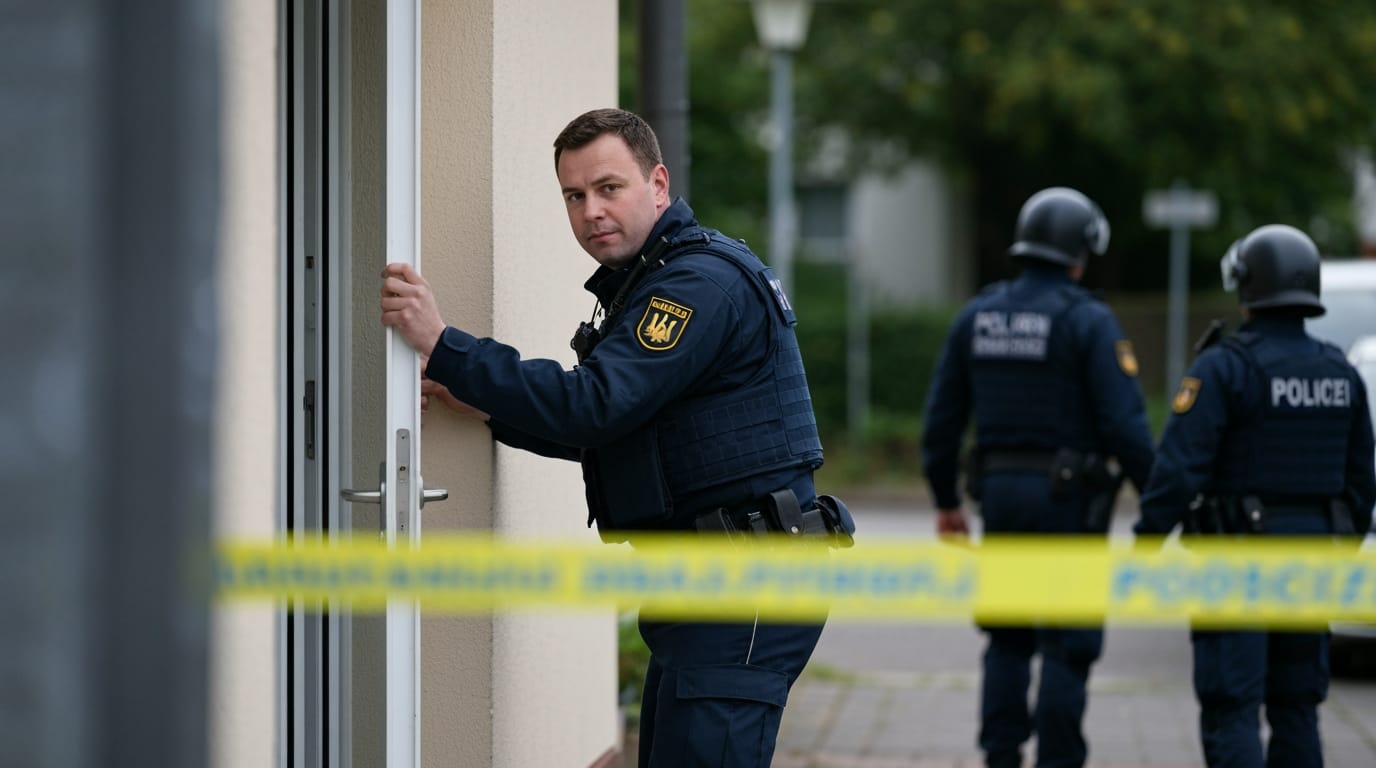
Berlin, Germany – German authorities have significantly escalated their efforts to enforce European Union sanctions against Russia, conducting a series of raids and making multiple arrests in connection with alleged violations aimed at bolstering the Russian military and bypassing financial restrictions. The latest actions underscore a resolute commitment by Berlin to dismantle illicit networks that seek to undermine international efforts to curb Russia's aggression in Ukraine.
On Monday, February 2, 2026, German federal prosecutors announced the arrest of five individuals suspected of forming a criminal organization dedicated to exporting goods to Russian defense companies. The arrests, carried out in Luebeck and Herzogtum Lauenburg, involved German, Ukrainian, and Russian nationals. This coordinated operation brought to light an alleged scheme involving approximately 16,000 deliveries to Russia, valued at no less than 30 million euros, since the onset of the conflict in Ukraine. Prosecutors allege that Russian state agencies orchestrated this procurement network, with 24 Russian defense firms identified as end-users for the illicit shipments. An immediate asset freeze has been ordered for shipments amounting to roughly 30 million euros, reflecting the scale of the alleged violations.
Expanding Scope of Investigations
The recent arrests are part of a broader, intensified campaign by German law enforcement against sanctions evasion. Just days prior, on January 28, 2026, German prosecutors raided the Frankfurt headquarters and Berlin offices of Deutsche Bank. The investigation centers on suspicions of money laundering and the bank's alleged failure to promptly report suspicious transactions linked to sanctioned Russian billionaire Roman Abramovich. This highlights the multifaceted nature of sanctions enforcement, extending beyond direct trade to financial compliance within the banking sector.
Further investigations have exposed sophisticated "shadow" logistics operations designed to circumvent EU restrictions. An inquiry by Bild, revealed on January 26, 2026, detailed how RusPost GmbH, under investigation since 2022, allegedly facilitated the movement of sanctioned items including electronics, cash, and jewelry from Germany to Moscow. This network reportedly exploited vulnerabilities by using unauthorized Uzbek postal documentation to mask the illicit trade, with shipments tracked moving through Poland and Belarus before reaching Russia.
The complexity of controlling the end-use of goods became apparent when German company Infineon Technologies confirmed on January 29, 2026, that its components were discovered in Russia's new Geran-5 unmanned aerial vehicles (drones) used in Ukraine. While Infineon stated its adherence to international sanctions and the liquidation of its Russian subsidiary, the incident underscores the persistent challenge companies face in preventing their products from reaching sanctioned entities through intermediary countries or clandestine supply chains. The company acknowledged that fully controlling the resale of its approximately 30 billion annual chip productions is difficult but affirmed its commitment to investigating circumvention and cooperating with authorities.
Germany's Evolving Enforcement Strategy
Germany's increasingly assertive stance on sanctions enforcement has been developing for some time. Early in 2023, on February 9, German public prosecutors and customs authorities conducted dawn raids on three German companies and individual residences. That investigation, initiated in January 2023, targeted Smart Impex GmbH for allegedly selling $15.5 million in IT and electrical goods to Azu International Ltd Sti in Turkey. The subsequent discovery of Smart Impex components in Russian missiles in Ukraine suggested a deliberate circumvention scheme involving the diversion of goods through third countries.
In response to the challenges of enforcing complex sanctions, Germany established the Central Office for Sanctions Enforcement (ZfS) on January 1, 2023. Operating under the German customs administration, the ZfS was designed to address structural weaknesses in operational enforcement, particularly concerning the freezing of assets and the prohibition of providing economic resources to listed persons. Its mandate includes administrative investigations, questioning individuals, securing documents, and searching premises.
The legislative framework supporting these efforts has also been significantly strengthened. On January 15, 2026, the German Parliament adopted legislation transposing EU Directive 2024/1226, which harmonizes criminal offenses and penalties for breaches of EU restrictive measures. This new legislation introduces substantial corporate fines, reaching up to EUR 40 million for intentional sanctions breaches or supervisory duty violations, alongside potential prison sentences of three months to five years under the German Foreign Trade and Payments Act (AWG). These measures reinforce the direct applicability of EU sanctions law in Germany, placing a clear onus on individuals and entities to comply.
The Challenge of Evasion and Global Implications
The European Union, in close coordination with international partners including the U.S., UK, and Canada, implemented extensive economic and financial sanctions against Russia following its full-scale invasion of Ukraine in February 2022. These measures aim to restrict Russia's access to critical technologies, finances, and markets, thereby undermining its ability to fund and sustain the war effort.
However, the sheer breadth and complexity of these sanctions have spurred equally sophisticated evasion tactics. Beyond direct trade, methods include the use of shell companies, transshipment through third countries, and deceptive maritime practices by Russia's "shadow fleet," which employs manipulated location signals and false flags to transport sanctioned goods like oil. The discovery of German-made components in Russian military hardware, even from companies committed to compliance, underscores the global challenge of preventing dual-use items from reaching illicit end-users.
The recent surge in German enforcement actions sends a clear signal to companies operating within the EU and globally. It serves as a stark reminder for businesses to review and update their export control compliance systems, particularly regarding end-use declarations and supply chain integrity. The increasing penalties and coordinated investigations demonstrate that authorities are committed to rigorously pursuing those who knowingly or negligently facilitate sanctions evasion, irrespective of the complexity of the illicit networks involved.
Conclusion
The latest arrests and ongoing investigations in Germany highlight the critical and evolving nature of sanctions enforcement against Russia. From dismantling elaborate shell company networks channeling goods to military industries to scrutinizing financial institutions for compliance failures, German authorities are demonstrating an unwavering commitment to upholding the integrity of international sanctions. These actions, bolstered by new legislative tools and specialized enforcement bodies, underscore the continuous struggle against illicit trade and financial flows that sustain Russia's war in Ukraine. As the conflict persists, the international community's resolve to close loopholes and hold violators accountable remains a cornerstone of the broader response, ensuring that the economic pressure on Russia continues to mount.


