Germany Narrows Olympic Ambitions to Munich and Cologne-Rhine-Ruhr
Germany’s drive to bring the Olympic and Paralympic Games back to home soil has narrowed to a decisive domestic contest between two distinct sporting visions: the historic Bavarian capital of Munich and the sprawling multi-city coalition of the Cologne-Rhine-Ruhr metropolitan region. The German Olympic Sports Confederation, known as the DOSB, selected the pair as the nation's remaining candidates to represent Germany in international bidding for the 2036, 2040, or 2044 Summer Games.
The showdown marks a crucial step in Germany’s multiyear campaign to end a decadeslong hosting drought. The country has not staged an Olympic Games since the 1972 Summer Games in Munich. Following years of public skepticism, failed referendums, and abandoned exploratory efforts, German sports authorities designed a new national selection procedure intended to secure civic support before entering the rigorous international phase overseen by the International Olympic Committee.
A Four-Way Race Narrows to Two
The national selection process originally began as a four-way contest among major German urban centers: Berlin, Hamburg, Munich, and the Cologne-Rhine-Ruhr area.
The field shrank earlier in the year when Hamburg withdrew its interest after preliminary public consultations failed to indicate enough sustained local momentum.
Berlin remained in contention until the final days of the evaluation phase. The German capital was forced to drop out after losing political backing following local parliamentary elections. A shift in the governing coalition brought party leadership opposed to the fiscal costs of mega-sporting events, and the absence of a legally binding public referendum left Berlin at a disadvantage against its rivals. In technical feasibility scores compiled by the DOSB evaluation commission, Berlin finished third with 74.6 points out of 100, trailing the leaders by a wide margin.
That double departure left Munich and Cologne-Rhine-Ruhr as the sole contenders standing. Both cleared the evaluation threshold with high marks: Munich earned a score of 87 points, while Cologne-Rhine-Ruhr followed closely behind with 85 points.
Two Competing Visions for the Games
The two remaining bids present fundamentally different blueprints for how a modern, cost-conscious Olympic Games can be staged.
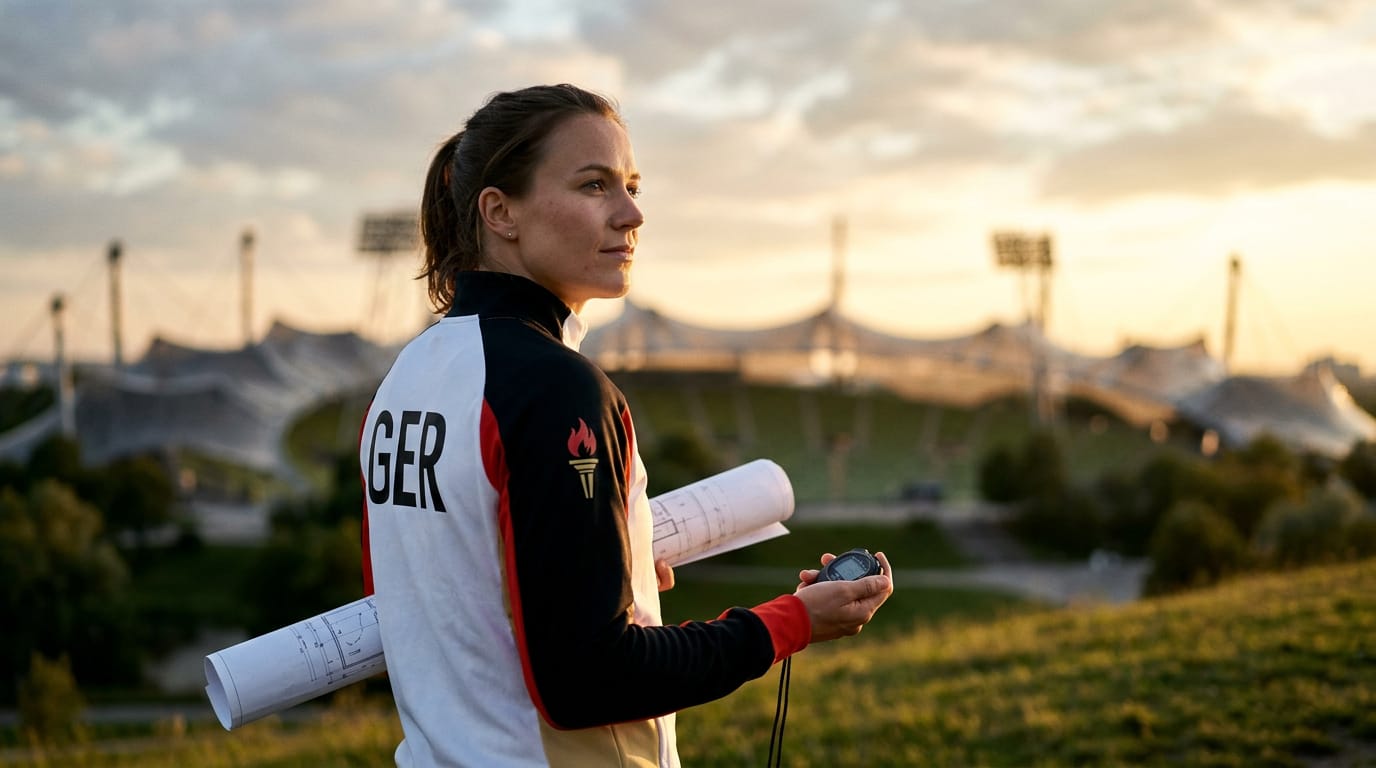
Munich relies on a compact, single-city model built around established infrastructure. Its proposal focuses heavily on the continued legacy of the 1972 Olympic Park, an architectural landmark that remains an active center for elite sports competitions. Munich’s master plan situates approximately 90 percent of all proposed competition sites within 30 kilometers of the planned athletes' quarters. The city plans to construct a new residential village in the eastern district of Daglfing that would convert into municipal housing after the closing ceremony. Munich also points to recent operational experience, having hosted the multi-sport 2022 European Championships and several high-profile soccer and athletic championships.
Cologne-Rhine-Ruhr offers a regional alternative that distributes events across 15 separate municipalities in North Rhine-Westphalia, the most populous state in Germany. With Cologne acting as the lead anchor, the bid proposes using established arenas and stadiums throughout cities such as Dortmund, Düsseldorf, and Gelsenkirchen. Rather than constructing major new permanent arenas, the regional concept relies on existing Bundesliga soccer stadiums, indoor entertainment venues like Cologne’s Lanxess Arena, and surrounding water facilities. Proponents argue that spreading competitions across a interconnected metropolitan area eliminates white-elephant construction projects and disperses the economic benefits across several urban centers.
Public Backing Replaces Past Skepticism
Civic acceptance has long been the greatest obstacle for German Olympic ambitions. Referendums halted previous attempts to host the 2022 Winter Games in Munich and the 2024 Summer Games in Hamburg, where voters rejected the financial risks and disruption associated with hosting.
To address those concerns early, both remaining finalists conducted local ballots to prove public backing.
In Munich, residents approved the Olympic proposal with 66.4 percent voting in favor across all 25 city districts. The Cologne-Rhine-Ruhr proposal generated similar support, securing a combined 66 percent approval rate in referendums held across participating regional municipalities.
These outcomes provided the DOSB with the democratic mandate German sports administrators had sought for a decade. Organizers in both camps emphasized transparency, fiscal discipline, and commitments to avoid runaway infrastructure spending to win over skeptical taxpayers.
The Road Ahead to the Global Stage
Selecting Germany's candidate is only the first hurdle in a protracted international campaign. The DOSB will formally submit the winning domestic proposal to the International Olympic Committee to enter what the IOC calls continuous and targeted dialogue.
The target year remains a key strategic question. While 2036 represents the earliest opening, the centennial date carries sensitive historical weight. Germany last staged the Summer Games 100 years prior in Berlin under Nazi rule in 1936, a legacy that prompts intense debate regarding whether the anniversary offers a chance to present modern democratic values or an uncomfortable international spotlight. Consequently, organizers have left open the possibility of focusing resources on 2040 or 2044 instead.
Competition on the international stage will be stiff. Nations including Qatar, India, South Africa, and Poland have expressed interest in bidding for upcoming Summer Games.
Conclusion
The contest between Munich and Cologne-Rhine-Ruhr represents a defining moment for German sports governance. By whittling the national field down to two thoroughly vetted candidates with verified public approval, the country has moved past years of abortive campaigns and public skepticism. Whether Germany chooses Munich's historic, compact park or the dispersed stadium network of the Rhine-Ruhr, the selected project will enter the global race equipped with a model tailored to the modern Olympic era.