Germany Shifts Stance on Afghan Refugees Amidst Tightened Migration Policy
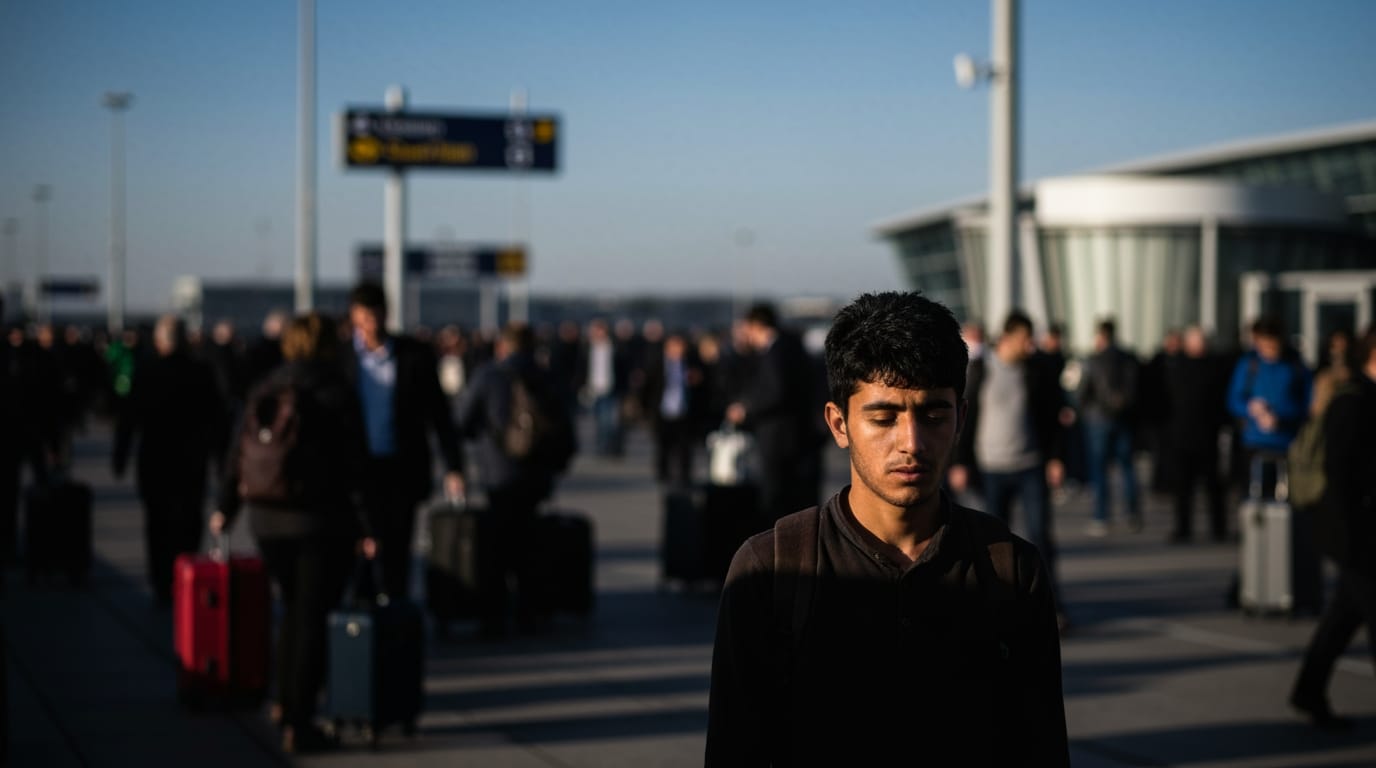
Berlin, Germany – Germany has signaled a significant shift in its approach to Afghan refugees, moving to terminate several admission programs and adopting a markedly stricter migration policy. This comes as hundreds of vulnerable Afghans, many with prior assurances of resettlement, find themselves in a precarious limbo, primarily in Pakistan, facing uncertainty about their future. The decision, driven by security concerns and mounting domestic political pressure, marks a departure from earlier humanitarian commitments and has drawn criticism from human rights organizations.
The current landscape of Germany's refugee policy towards Afghans is characterized by a tightening of admissions and the cessation of programs previously designed to offer sanctuary to those at risk following the Taliban's takeover in 2021. Recent reports indicate that Germany has explicitly canceled plans to resettle 640 Afghan refugees who were awaiting transfer from Pakistan. This move leaves these individuals, who were part of two programs aimed at providing safe relocation for vulnerable Afghans, in a state of deep uncertainty.
Policy Reversal and Political Undercurrents
The change in policy has been attributed to Chancellor Friedrich Merz's administration, which is adopting a stricter stance on migration amidst growing pressure from Germany's far-right political factions. Officials from the Interior Ministry have confirmed that affected individuals will soon receive notices stating that Germany is no longer politically committed to accepting them. This reversal extends to commitments made under previous administrations, including those who worked for the German military or government institutions during the international mission in Afghanistan, as well as human rights activists and journalists.
The German government's decision to terminate its Afghan refugee program also stems from security concerns and reported involvement of some Afghan nationals in criminal activities. Reports indicate that Germany deported 28 Afghan nationals in 2024 and 81 in 2025 due to criminal involvement, underscoring Berlin's tougher stance on law enforcement and immigration control. Chancellor Merz has emphasized that his government intends to take strict measures to end migration programs and enforce stricter border controls.
Humanitarian Concerns and Stranded Futures
Human rights groups and international organizations have widely condemned Germany's decision, labeling it a "betrayal" and warning that returning these Afghans could expose them to "persecution, torture, or death" under Taliban rule. NGOs estimate that up to 1,800 Afghans approved for relocation have been stranded in Pakistan for months, with many fearing potential deportation. Organizations like Amnesty International and Human Rights Watch have urged Germany to evacuate all 1,800 refugees before the year-end deadline set by Pakistan for their departure.
Many of these individuals were promised resettlement in Germany after assisting German authorities in Afghanistan, particularly following the 2021 Kabul takeover. However, some applications have been rejected after eligibility assessments, and the immediate termination of the refugee program means that many Afghan nationals hoping to enter Germany will no longer have a legal pathway under these programs. The situation is exacerbated by Pakistan's intensifying crackdown on Afghan nationals, particularly undocumented refugees, and its refusal to extend visas for Afghan refugees in transit.
Navigating Legal Challenges and Limited Admissions
Despite the broader policy shift, some vulnerable Afghans have found pathways to Germany through legal recourse. German courts have ruled in several cases that Berlin must honor previous commitments to issue visas under humanitarian schemes. For instance, in September 2025, a plane carrying 47 people, primarily women and children, landed in Hanover, with their admission largely attributed to successful legal proceedings. Similarly, in November 2025, 52 people arrived in Berlin and Hannover after successfully challenging the suspension of resettlement programs in court.
While the German government had previously conducted several flights transporting "dozens" of Afghan refugees from Pakistan, stressing the importance of completing remaining transfers promptly, the overriding narrative in December 2025 points to a significant curtailment of these efforts. The Foreign Minister, Johann Waddel, had stated that flights to transport Afghan refugees from Pakistan to Germany were expected to conclude by the end of this year, emphasizing the urgency for those awaiting relocation. However, this accelerated process appears to be primarily for individuals with existing, legally binding commitments or those who have won court cases, rather than a broad, new intake.
Looking Ahead
The current developments underscore the challenges European governments face in balancing domestic political pressures with humanitarian obligations. Germany's decision to tighten its migration policy for Afghans reflects a broader trend across Europe towards stricter controls and a reassessment of asylum frameworks. While humanitarian organizations continue to advocate for the protection of at-risk individuals, the German government's new stance suggests a more restrictive future for Afghan refugees seeking asylum in the country. The fate of hundreds of Afghans remains uncertain as the year draws to a close, caught between past promises and a rapidly evolving political landscape.


