Germany Toughens Stance on Afghan Asylum Seekers Amid Shifting Migration Landscape
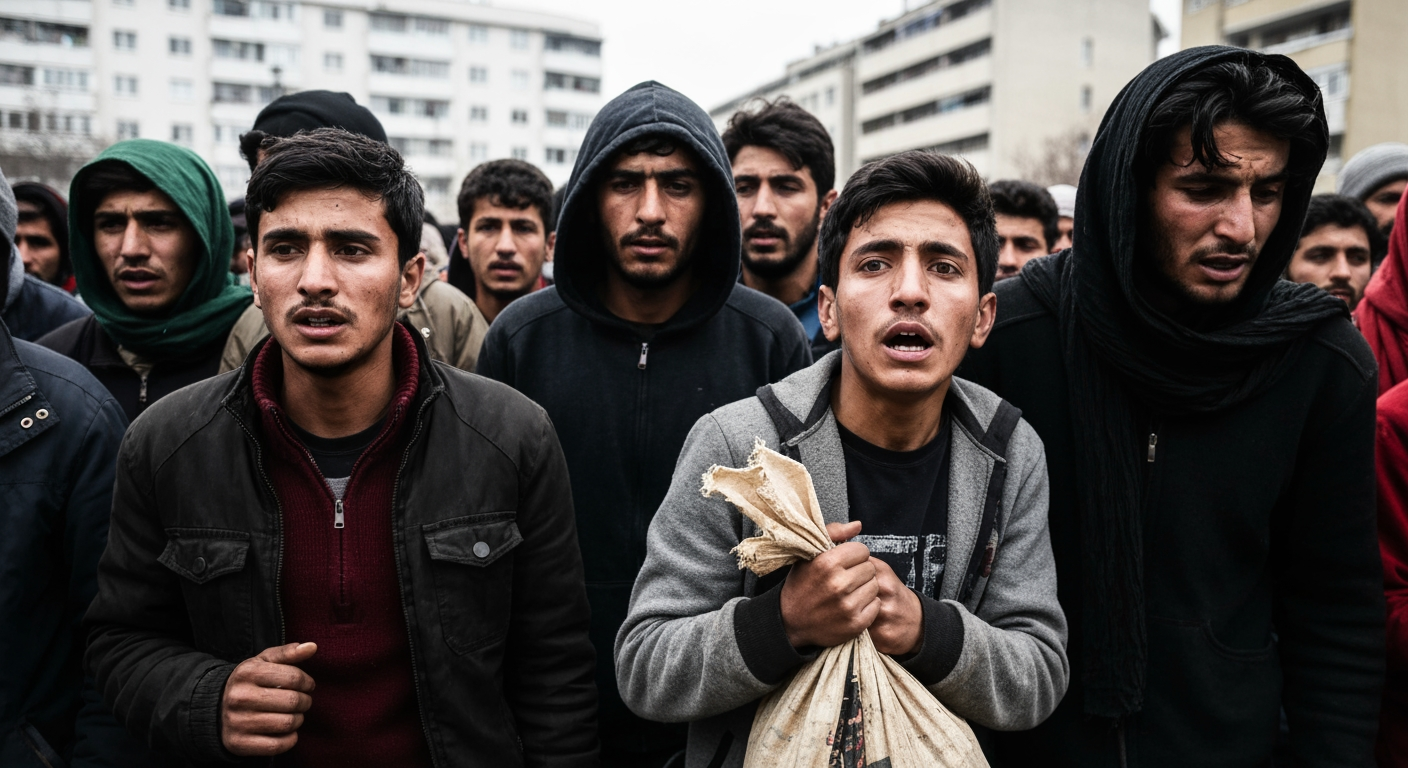
Berlin, Germany – Germany has signaled a significant tightening of its asylum policy for Afghan nationals, moving away from previous commitments to offer protection and initiating a more stringent approach that includes accelerated deportations and the suspension of voluntary admission programs. This pivot comes amidst rising domestic anti-immigration sentiment and a broader European trend toward stricter migration controls, stirring debate among human rights organizations and international observers about the humanitarian implications for vulnerable Afghans.
The shift represents a notable departure from the German government's post-2021 stance, when it expressed a strong obligation to protect Afghans, particularly those who had worked with Western agencies and human rights defenders, following the Taliban's return to power. However, recent incidents and mounting public pressure have propelled Chancellor Friedrich Merz's new government to prioritize national security and curb irregular migration.
A Policy Shift Driven by Domestic Concerns
The impetus behind Germany's hardened approach to Afghan asylum seekers largely stems from an increase in anti-immigration sentiment across the country. This sentiment has been fueled by a series of violent attacks allegedly involving asylum seekers, including Afghan nationals, leading to intensified public and political pressure for stricter immigration controls. Chancellor Friedrich Merz, who took office in early May 2025, campaigned on a platform emphasizing a tougher line on migration, including increased border checks and expedited deportations for individuals whose asylum applications have been rejected.
A key component of this revised policy is the prioritization of deporting Afghan migrants involved in criminal activity. Interior Minister Alexander Dobrindt and Chancellor Merz have repeatedly stated that individuals with serious criminal convictions have no right to remain in Germany, framing these deportations as essential for national security. This stance gained momentum after several high-profile incidents, including a deadly knife attack in Solingen in August 2024 and other violent crimes allegedly committed by migrants.
Furthermore, administrative challenges have contributed to the reevaluation of Germany's admission programs. The government reportedly plans to discontinue its special Afghan refugee admission program due to prolonged processing times and significant bureaucratic hurdles, which have left thousands of Afghans stranded, particularly in Pakistan, awaiting relocation. This discontinuation effectively signals the end of previously assured pathways for many vulnerable individuals.
Revocation of Pledges and Resumed Deportations
The concrete manifestations of Germany's policy shift include the halting of voluntary admission programs for Afghans and the resumption of deportations to Afghanistan. The new government has announced its intention to end existing voluntary admission schemes and not to launch any new ones. This cessation also extends to suspending family reunifications for Afghans who hold subsidiary protection status. Many of these individuals had received assurances of relocation following the Taliban takeover in 2021, when Germany had established several programs to resettle vulnerable Afghans and former local staff. Approximately 45,000 Afghans and their eligible family members had been informed of their potential admission to Germany under these programs.
In July 2025, Germany carried out its first deportation flight under the Merz government, sending 81 Afghan men—all reportedly with criminal convictions and rejected asylum applications—back to Afghanistan. This operation, facilitated with assistance from Qatar due to Germany's lack of formal diplomatic relations with the Taliban, followed a previous deportation flight in August 2024 that returned 28 convicted offenders. Officials have indicated that more such deportations are planned.
The approval rate for Afghan asylum seekers has concurrently seen a sharp decline, dropping to 45% in the first four months of 2025, a significant reduction from 71% in the preceding year. This reduction reflects a deliberate policy change even as conditions in Afghanistan under Taliban rule remain precarious.
Humanitarian Concerns and International Reactions
Germany's updated asylum policies have elicited strong criticism from human rights organizations, United Nations agencies, and various non-governmental organizations. These groups point to the severe and ongoing human rights crisis in Afghanistan, particularly under Taliban rule, arguing that the country remains unsafe for returnees. The UN High Commissioner for Human Rights has issued warnings against forced returns to Afghanistan, highlighting the "multi-layered human-rights crisis" prevalent there.
The European Union Agency for Asylum (EUAA) and the European Court of Justice (ECJ) have both affirmed the acute risks faced by Afghan women and girls, concluding that they are generally eligible for refugee status due to the persecution they face under the Taliban regime. The ECJ specifically ruled in October 2024 that gender and nationality alone can be sufficient grounds for granting asylum to Afghan women. Critics express concern that Germany's current policy shift contradicts these international assessments and its own previous commitments.
Thousands of Afghans who had been awaiting resettlement, many of whom served Western interests or are particularly vulnerable, find themselves in a precarious limbo, especially those stranded in neighboring countries like Pakistan. Human rights advocates argue that ending admission programs and accelerating deportations could be perceived as a betrayal of those who supported German forces and institutions, potentially legitimizing the Taliban regime despite Germany's official non-recognition of their government.
A Broader European Context
Germany's intensified migration policies are not an isolated development but rather reflect a wider trend across Europe towards stricter immigration controls. The German Interior Minister has convened meetings with counterparts from other European nations, including France, Austria, the Czech Republic, Denmark, and Poland, to discuss harmonizing and toughening asylum and migration regulations across the European Union. Discussions have included proposals to establish asylum processing centers outside the EU and link visa access to third countries' cooperation on migrant returns.
This collective movement underscores a continent-wide effort to reduce irregular migration and manage the influx of asylum seekers. While Germany remains a primary destination for Afghan asylum applicants within the EU, with over a third of all applications lodged there in 2023, the current policy trajectory suggests a future with significantly reduced pathways for protection and increased pressure on individuals seeking refuge. The long-term implications of these policies for both the affected individuals and Europe's humanitarian commitments remain a subject of intense debate and international scrutiny.
Conclusion
Germany's recent decisions to halt certain Afghan refugee admission programs and accelerate deportations mark a decisive shift in its asylum policy, driven by internal political pressures and a desire for stricter migration management. While the government emphasizes the targeting of convicted criminals and maintaining national security, these measures have drawn sharp criticism from humanitarian organizations concerned about the safety and well-being of Afghans returning to a country under Taliban rule. The move positions Germany firmly within a broader European trend of tightening immigration controls, fundamentally altering the landscape for Afghan asylum seekers and raising profound questions about international protection and human rights in an evolving global context.