Germany's 2026 World Cup Squad: A Testament to African Roots and Modern Diversity
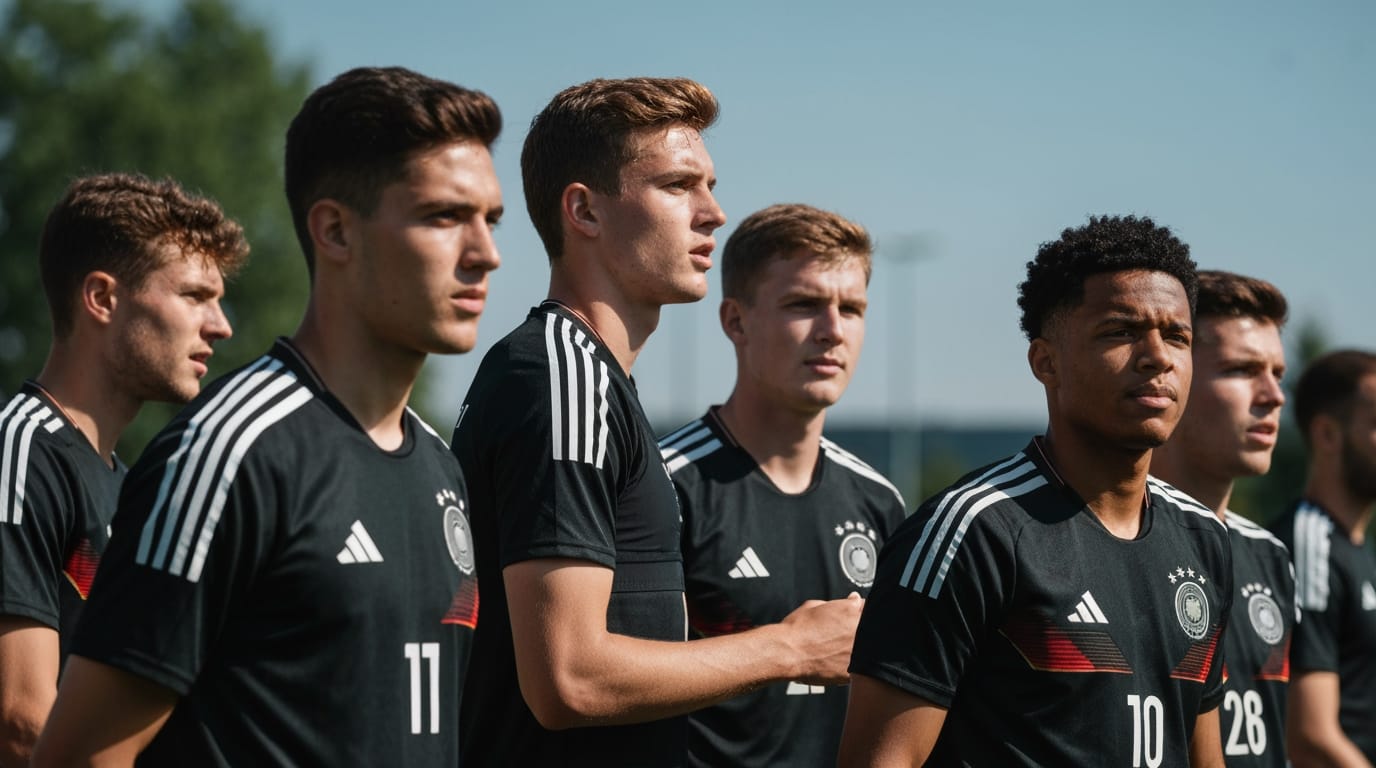
As the 2026 FIFA World Cup ignites fervor across the globe, Germany's national team, 'Die Mannschaft,' arrives as a striking embodiment of modern multiculturalism, its formidable squad deeply enriched by players tracing their heritage to various African nations. This diverse composition is not merely a demographic observation but a fundamental pillar of the team's strength and identity, reflecting Germany's evolving societal landscape and its aspiration for global sporting dominance. The roster, meticulously assembled by coach Julian Nagelsmann, showcases a blend of established stars and rising talents whose African roots contribute significantly to the squad's unique dynamic on football's biggest stage.
A Tapestry of Talent: The 2026 Squad's Diverse Core
The 2026 German World Cup squad features a notable contingent of players whose ancestral ties extend to the African continent, underscoring a significant shift in the team's demographic makeup. Among the key figures anchoring Germany's campaign are defenders Jonathan Tah, whose father hails from Ivory Coast, and Antonio Rüdiger, whose mother is from Sierra Leone and father is Afro-German. Their physical prowess and defensive acumen form a crucial barrier against opposing attacks.
In the midfield and attack, the influence of African heritage continues to shine. Leroy Sané, with Senegalese roots through his father, brings electrifying pace and creative flair to the wings. Jamal Musiala, a prodigious talent, draws his heritage from a British-Nigerian father and German mother, adding intricate dribbling and visionary play to the German offensive arsenal. Felix Nmecha, another promising midfielder, also has Nigerian paternal lineage. Joining them is Jamie Leweling, whose Ghanaian father contributes to the diverse fabric of the squad. Malick Thiaw, a defender featuring in the current squad, similarly boasts a mixed heritage, having chosen to represent Germany. While the return of veteran goalkeeper Manuel Neuer has garnered considerable attention, the compelling narrative of these players and their African connections offers a deeper insight into the team's contemporary identity. These players are not just individuals but represent a collective strength, with their varied backgrounds enriching the team's character and contributing to what is seen as a competitive advantage on the global stage.
Evolution of a National Identity: From Homogeneity to Hybridity
For decades, the German national team was predominantly composed of players developed strictly from local talent, reflecting a more homogenous national identity. However, the turn of the millennium marked a pivotal period of transformation, both within German society and its football landscape. Policy changes that eased the path to citizenship for immigrants and their descendants played a crucial role in fostering greater diversity. This societal shift gradually began to manifest on the football pitch.
A significant milestone was reached with the 2010 FIFA World Cup squad, which was widely celebrated for its multicultural composition, hailed by many as a powerful "integration accelerator". This team not only performed admirably but also presented a new, modern image of Germany to the world. Pioneering figures paved the way for this evolution. Gerald Asamoah, who made his debut in May 2001, holds the distinction of being the first African-born black player to represent the German national team, a landmark achievement that broke significant barriers. His journey and those of subsequent players like Jérôme Boateng, whose father is Ghanaian, showcased the growing recognition and embrace of diverse talents within German football. This historical progression has led to Germany consistently featuring a high proportion of foreign-born players or those with foreign roots compared to many other "countries of immigration," averaging 12% over its World Cup history. The German national team has thus evolved into an incredibly diverse, multicultural powerhouse, far removed from its traditionally perceived image.
Beyond the Pitch: Societal Impact and Symbolism
The multicultural composition of the German national team extends far beyond the confines of the football stadium, carrying profound societal implications. In a contemporary Germany grappling with evolving national identity and rising far-right political narratives, the success and visibility of players with African roots offer a potent counter-narrative. These athletes serve as powerful symbols of successful integration, demonstrating that individuals from diverse backgrounds can not only thrive but also achieve national recognition and contribute significantly to the country's collective pride. Their presence challenges traditional notions of Germanness and promotes a more inclusive national identity.
For minority communities within Germany, these players represent more than just sporting heroes; they foster a crucial sense of belonging, known as "Zugehörigkeit". Witnessing individuals who share their heritage excel at the highest level of sport provides inspiration and validation, reinforcing the idea that they are integral parts of German society. The German Football Association (DFB) acknowledges the importance of diversity, recognizing its value, even if it does not explicitly highlight it for specific teams. This organic representation of modern Germany, where multicultural heritage is embraced, acts as a unifying force, promoting social cohesion and offering a vision of a confident and embracing nation.
The Strategic Edge: Diversity and Performance Dynamics
Beyond its significant cultural and social impact, the diversity within Germany's 2026 World Cup squad also presents a strategic advantage on the field. Academic research analyzing ten seasons of Germany's top football league, the Bundesliga, has explored the intricate relationship between ethnic, national, and linguistic diversity and team performance. The studies indicate a "bifurcated effect," suggesting that diversity can impact different player roles in distinct ways.
Specifically, researchers found that diversity tends to be positive for defensive players, enhancing their ability to prevent goals and improving both individual and team performance. This positive effect is attributed to the creativity, varied perspectives, and different thought processes that arise from diverse backgrounds, which can be particularly beneficial in collaborative defensive tasks. Conversely, the research identified potential challenges for offensive players, where greater diversity sometimes correlated with lower outcomes at both team and individual levels. This was partly linked to stronger individual incentives in offensive roles, which could make cooperation less likely among teammates from different ethnic or linguistic backgrounds.
However, the overarching conclusion from this research emphasizes that while diversity can present nuanced dynamics, the key lies in effectively leveraging its benefits while mitigating potential communication or coordination issues. By fostering an environment where creativity thrives and overcoming minor communication hurdles, diversity can ultimately lead to positive outcomes and a stronger, more resilient team. The German coaching staff, led by Julian Nagelsmann, likely recognizes these dynamics and works to harness the rich blend of talents and perspectives within the 2026 squad, transforming diversity into a potent tactical asset. The collective character of Die Mannschaft is undoubtedly enriched by these unique life stories, proving that its multicultural heritage is one of its greatest competitive advantages on the global stage.
The 2026 German World Cup squad, built upon a foundation of rich African roots, stands as a powerful symbol of a modern, inclusive Germany. As they embark on their quest for glory, these players embody not only athletic excellence but also the profound evolution of a nation embracing its diverse identity. Their journey on the pitch will be watched by millions, with every pass, tackle, and goal resonating beyond the sport itself, reinforcing the message that unity, diversity, and shared ambition are the true hallmarks of a winning team and a progressive society. The tournament offers a unique platform for this diverse squad to inspire, unite, and ultimately, demonstrate the strength that comes from embracing all its roots.