Germany's Shifting Social Landscape: Screens Eclipse Face-to-Face Connections
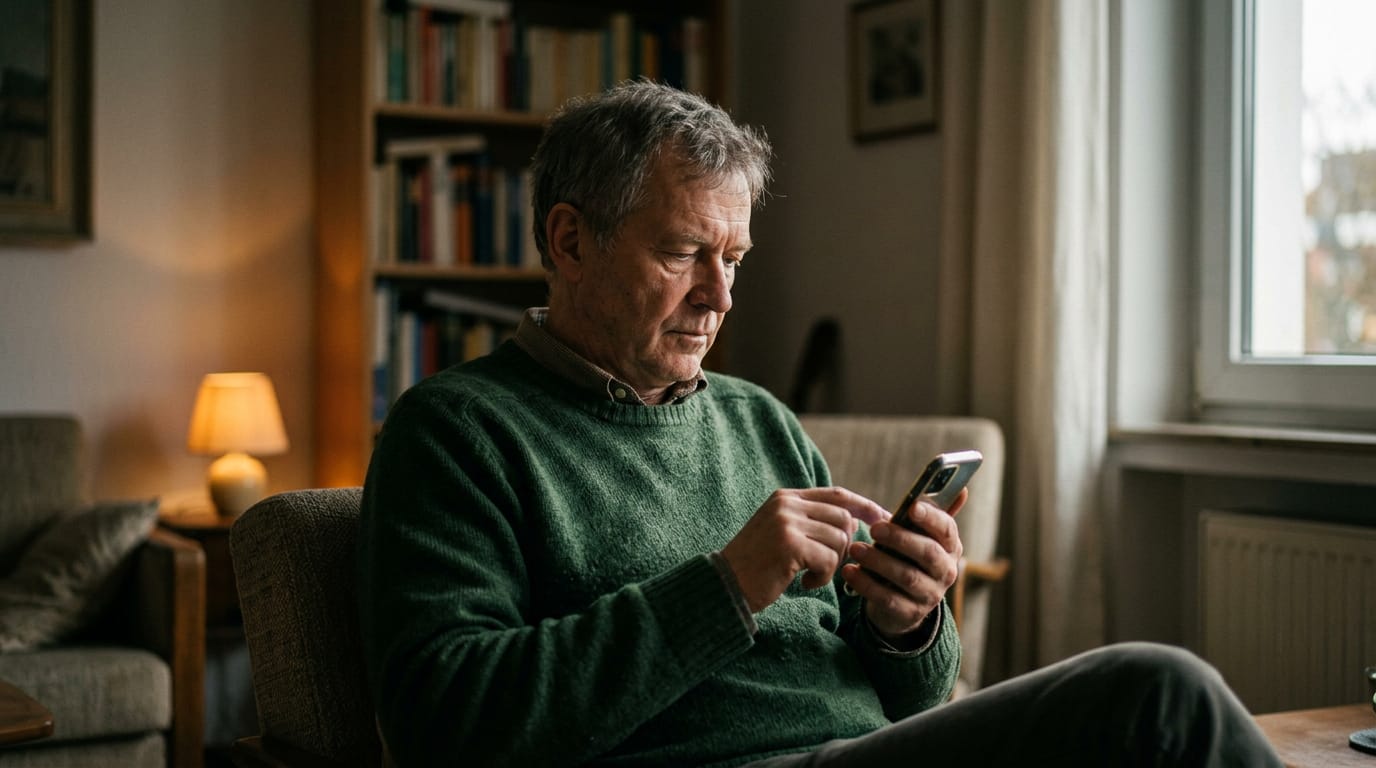
Germany is experiencing a profound transformation in its social fabric, as citizens increasingly trade traditional in-person interactions for digital engagement. This pervasive shift towards screen-based activities in leisure time is reshaping how Germans connect, relax, and socialize, raising questions about the future of community bonds and personal well-being. From ubiquitous smartphone use to the rise of streaming platforms, digital media now dominates the leisure landscape, subtly altering patterns of friendship, family time, and public social life.
The digital realm has firmly entrenched itself as the primary arena for leisure activities across Germany. Media consumption, including internet use, television, and music, constitutes the largest share of free time for many. Nearly all Germans, a striking 98%, use the internet at least once a week, while 83% watch television and listen to music. Digital devices like computers and smartphones are utilized by 79% of the population, and social media engages 72%. This digital saturation is driven by factors such as faster internet speeds, the proliferation of powerful smartphones, and a vast selection of online platforms, all offering flexible and personalized content. Streaming services, for instance, have become an integral part of daily life, with 70% of respondents regularly engaging in video streaming. This shift signals a move from linear, program-driven media consumption to a personalized, on-demand system where individuals consume content regardless of time or place.
This immersion in digital leisure, particularly pronounced among younger generations, corresponds with a noticeable decline in traditional social interactions. Studies indicate that sociability orientations are diminishing, leading to a perception of less solidarity within society. Family dynamics are also affected; grandparents, for example, now see their grandchildren only half as often as they did 15 years ago, with the frequency dropping from 22% to 11%. Similarly, time spent with partners has decreased from 72% to 64%, and active play with children has fallen from 35% to 28%. Public and organized forms of socializing have also seen a decline, with weekly visits to pubs or bars almost halving from 12% to 7% since 2010. The emphasis on "Interpersonal contacts: Digital instead of real" captures the essence of this evolving social landscape. The convenience and accessibility of online platforms often supplant the effort required for face-to-face gatherings, contributing to a more individualized, screen-centric existence.
Young people in Germany are at the forefront of this digital transformation, spending significant portions of their day engaged with screens. Fifteen-year-olds, on average, devote approximately 48 hours per week to screen time, which translates to about seven hours daily. For young people aged 12 to 25, daily messaging service use stands at 95%, with 82% actively engaging on social media every day. This demographic spends an average of 157 minutes on social media on weekdays, a figure that rises to 227 minutes on weekends. Further data suggests that young people under 20 typically spend around four hours daily on social media platforms. For many adolescents, social media serves as a crucial social anchor, aiding in identity formation, fostering a sense of belonging, and providing a means to gather information online. However, this extensive screen engagement can reduce real-life interaction, potentially hindering the development of emotional skills such as empathy and creating challenges in face-to-face communication and the formation of meaningful social bonds. Concerns are mounting about the mental health implications, with nearly one-third of adolescents reporting that social media leaves them feeling stressed, sad, or socially excluded. Additionally, 45% admit to comparing themselves to others on these platforms.
Despite the pervasive digital trends, a counter-movement is emerging as Germans seek balance. A growing number are turning to physical activity as a conscious response to the digitalization of everyday life, with over half the population now exercising at least once a week. This trend includes a notable comeback for traditional activities such as jogging and swimming, which have seen a continuous rise in participation since 2010. Beyond structured exercise, many Germans are also embracing "digital detoxes," with one in three occasionally taking short breaks from their devices. The primary motivations behind these intentional disconnects are to allocate more time to family, friends, and hobbies, alongside improving sleep quality and reducing stress. Strategies employed include simply putting phones aside, locking them away, or scheduling fixed "offline times". This pursuit of balance suggests a recognition of the potential downsides of unchecked digital immersion and an effort to reclaim time for tangible, real-world experiences. Interestingly, Germans exhibit comparatively light social media use among adults when compared internationally. While 93% of German adults are online, only about half (51%) report using social media, a significantly larger gap than in many other countries. This pattern holds true even for young German adults, who use social media at lower rates than their counterparts in neighboring nations, despite universal internet access.
The evolving landscape of leisure in Germany reflects a complex interplay between technological advancement and human needs. While digital platforms offer unparalleled convenience and access to information and entertainment, their growing dominance presents challenges to traditional social structures and individual well-being. The data points to a society increasingly navigating a dual existence, balancing the allure of the screen with a nascent desire to preserve and re-engage with the tangible world. As this digital shift continues, the long-term impacts on German society's cohesion, mental health, and cultural practices will remain a critical area of observation and adaptation.