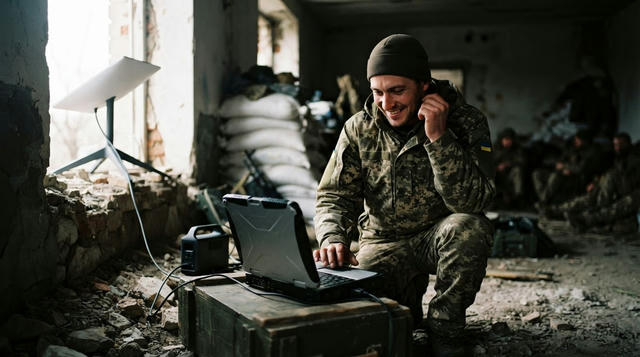
Germany's Strategic Calculus: Ukraine Aid is an Investment in European Security, Not Charity

Berlin – The ongoing provision of substantial aid to Ukraine by Germany and its allies is increasingly being framed not as an act of altruism, but as a crucial investment in European security and stability. This perspective, articulated by figures within Germany's Christian Democratic Union (CDU), underscores a hardening geopolitical reality where the defense of Ukraine is inextricably linked to the broader strategic interests of the West. The comprehensive support, encompassing military, financial, and humanitarian assistance, is viewed as a necessary bulwark against further aggression and a foundational element for a secure future on the continent.
The Realpolitik of Assistance: A Strategic Imperative
The notion that aid to Ukraine transcends mere charity has gained significant traction among policymakers. Germany's engagement, which has positioned it as one of Ukraine's largest bilateral supporters, is rooted in a clear recognition of national security interests. Johannes Volkmann, a CDU politician serving on the Bundestag's Foreign Affairs Committee, reflects this evolving understanding. For Germany, and indeed for many of its European partners, the conflict in Ukraine represents a direct challenge to the international order and European peace, necessitating a robust and sustained response beyond simple humanitarian concerns. The strategic rationale asserts that preventing Russian success in Ukraine is paramount to safeguarding the security architecture of Europe and deterring potential future aggressions against other sovereign nations. This perspective views support for Ukraine as an act of self-preservation, ensuring that the conflict does not spill over and directly threaten NATO member states.
Germany's Substantial Commitment to Ukraine's Defense
Since the onset of Russia's full-scale invasion in February 2022, Germany has significantly ramped up its support for Ukraine. Bilateral civilian aid has surpassed 43.3 billion euros, with military assistance reaching approximately 57.6 billion euros either provided or earmarked for the coming years. This makes Germany Ukraine's most significant bilateral partner, with its contributions encompassing a wide array of support. The military packages are extensive, including air defense systems, Patriot missile interceptors, radar systems, and precision-guided artillery, alongside substantial quantities of rockets and ammunition. Training for more than 27,000 Ukrainian soldiers in Germany further highlights the depth of this military cooperation.
Beyond direct military hardware, Germany also contributes to a NATO fast-track funding program, enabling the purchase of U.S. weapons for Ukraine, especially as European arsenals face depletion. The financial aid extends to safeguarding the Ukrainian state's capacity for action, providing allocations through the International Monetary Fund and supporting temporary debt service suspension. These comprehensive efforts demonstrate a long-term commitment that extends far beyond immediate crisis response.
Forging a Strategic Partnership for European Security
The relationship between Germany and Ukraine has evolved from one of assistance to a strategic partnership, particularly highlighted by intergovernmental consultations in April 2026. This enhanced cooperation focuses on strengthening key defense capabilities such as air defense, drone technology, and long-range artillery munitions. Germany is not merely a donor but an active participant in building Ukraine's defense industry and integrating its operational experience from modern warfare into broader European security strategies. Initiatives like the acceleration of anti-ballistic missile air defense development and joint drone production ventures signify a deeper, mutually beneficial collaboration.
This strategic alignment recognizes Ukraine's critical role in the future security architecture of Europe. By supporting Ukraine, Germany is actively shaping a more secure continental landscape, acknowledging that a strong, sovereign Ukraine is essential for a stable Europe. The continued investment aims to foster Ukraine's resilience and capacity to defend itself, which, in turn, directly contributes to the security and stability of Germany and the wider European Union.
The Broader Implications for a Changing Continent
The framing of Ukraine aid as a strategic investment rather than charity reflects a fundamental shift in European security paradigms. The ongoing conflict has necessitated a re-evaluation of defense policies and a greater emphasis on collective security. European nations, including Germany, are increasingly aware that a weakened Russia and a strengthened Europe are crucial for long-term stability. The support provided to Ukraine is intended to achieve a major battlefield setback for Russia, thereby reducing the threat to NATO and its allies and diminishing Russia's capacity to destabilize the region further.
The long-term nature of this commitment is evident in the sustained pledges of support and the deepening of strategic ties. Policymakers recognize that there is no quick resolution to the conflict, and sustained engagement is vital to ensure a just and lasting peace for Ukraine, underpinned by robust security guarantees. This strategic outlook positions Ukraine not as a recipient of benevolence, but as a frontline partner whose defense is integral to the security and prosperity of the entire European continent.
Ultimately, the argument that Ukraine aid is not charity but a strategic necessity underscores a pragmatic understanding of international relations. Germany's substantial contributions, guided by this principle, are designed to protect its own interests and those of its European neighbors by fostering a resilient Ukraine capable of defending its sovereignty and contributing to a more secure and stable Europe.