Ghanaian Women Journalists: A Relentless Pursuit of Parity in a Challenging Landscape

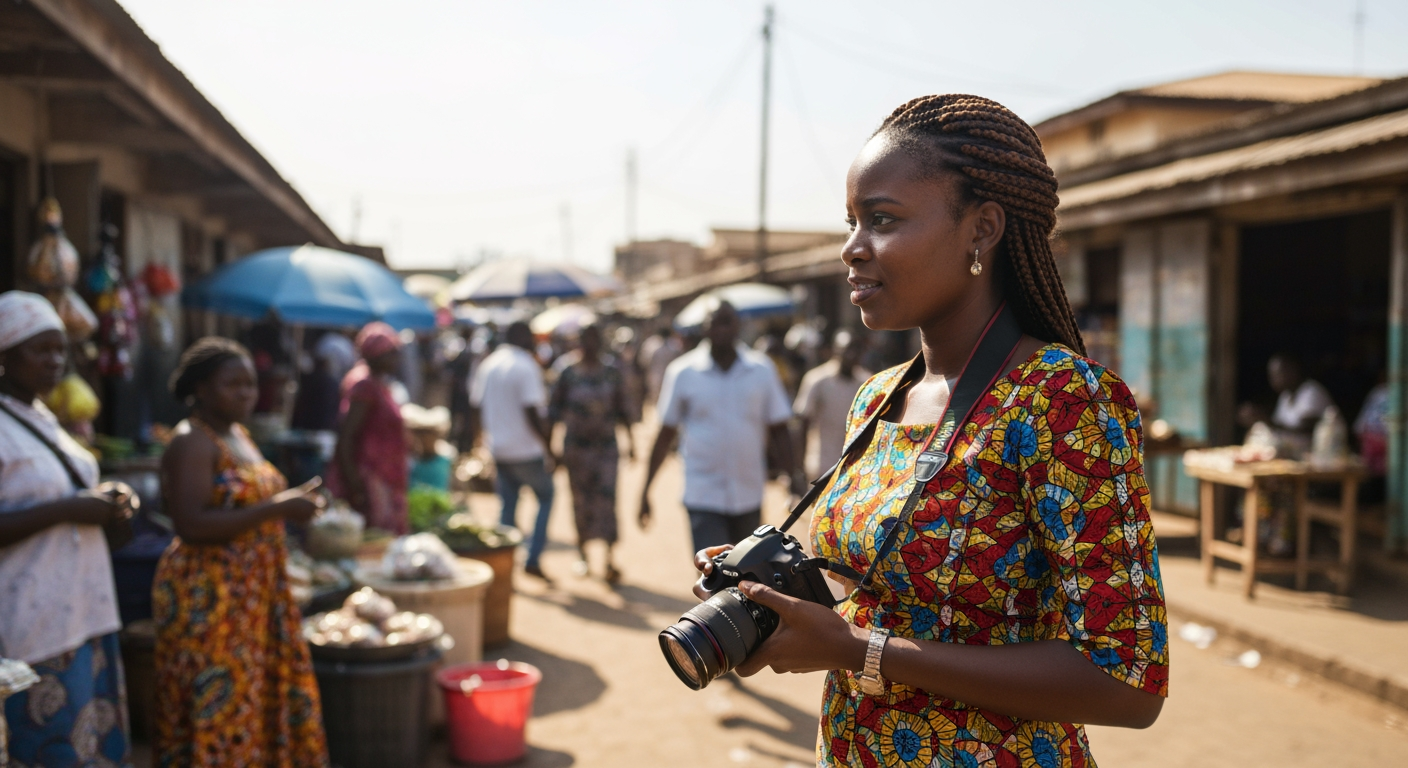
Ghanaian women journalists navigate a demanding professional terrain, routinely confronting deeply entrenched gender barriers that range from physical and online harassment to significant disparities in pay, promotion, and leadership opportunities. Despite these formidable obstacles, a growing cohort of resilient female journalists is not only persevering but also actively dismantling systemic inequalities, advocating for safer workplaces, and reshaping the narrative of media in Ghana. Their journey reflects a determined pursuit of professional parity and a profound commitment to journalistic integrity, often requiring them to overcome both professional and personal hurdles in their quest for equitable representation and influence.
Pervasive Threats to Safety and Security
For many women in Ghanaian media, the pursuit of news often comes with considerable personal risk, as they face a constant barrage of physical and emotional security threats. Harassment, intimidation, and even physical attacks are documented challenges, particularly for those covering politically sensitive beats or working in rural areas. Instances of journalists like Sally Martey, Akosua Otchere, and Ohemaa Sakyiwaa enduring physical assaults while on assignment underscore the tangible dangers female reporters encounter in the field.
The digital realm presents another significant battleground, with online abuse disproportionately targeting female journalists. Reports indicate that approximately 60% of online harassment is directed at women, frequently involving gendered attacks such as body-shaming and sexualized threats. Social media platforms, including X (formerly Twitter) and Facebook, have become conduits for these aggressive campaigns, making the attacks more public, rapid, and difficult to trace. Beyond the professional sphere, some female journalists also contend with domestic challenges and societal pressures, including skepticism from spouses and in-laws regarding their profession, further complicating their ability to operate freely. The cumulative effect of these threats can lead to self-censorship, avoidance of certain beats, and in some cases, career abandonment due to fears for their safety.
Systemic Hurdles in Career Progression and Equity
Beyond immediate safety concerns, Ghanaian women journalists frequently encounter systemic discrimination that impedes their career advancement and perpetuates gender inequality within newsrooms. A stark reality is the unequal pay, with women often earning less than their male counterparts despite possessing similar qualifications and experience. This pay gap is compounded by limited opportunities for promotion, as women are frequently relegated to covering "soft" news stories, while more prestigious and career-enhancing assignments, such as politics or economics, are predominantly allocated to men.
The underrepresentation of women in leadership roles is particularly pronounced. Despite increasing numbers of women entering journalism schools and the profession, their presence sharply declines at the upper echelons of newsroom management. Studies reveal that women occupy less than 30% of leadership positions in Ghanaian media organizations, with executive head positions being as low as 1%. This disparity suggests a "glass ceiling" effect, where structural barriers, rather than a lack of qualified candidates, prevent women from ascending to positions of editorial direction and institutional influence. Furthermore, a lack of comprehensive anti-sexual harassment policies within many media houses, coupled with inadequate provisions for maternity leave and other gender-sensitive workplace structures, exacerbates these inequalities, leaving many women without adequate support or recourse.
Forging Pathways Through Resilience and Advocacy
In the face of these formidable barriers, Ghanaian women journalists and their allies are actively developing and implementing strategies to foster a more inclusive and equitable media landscape. Key to these efforts are robust mentorship programs and specialized training initiatives. Organizations such as the Media Foundation for West Africa (MFWA), the Alliance for Women in Media Africa (AWMA), and Women, Media, and Change (WOMEC) offer training in gender-sensitive reporting, leadership skills, and digital empowerment. These programs aim to equip women with the necessary tools to challenge existing gender norms and to enhance their capabilities in analyzing media representation.
Advocacy plays a crucial role in driving systemic change. There is a concerted push for media organizations to adopt and enforce clear gender policies, including zero-tolerance anti-harassment measures and confidential reporting systems. The MFWA-CFI Strategy Document on Promoting Gender Equality in the Ghanaian Media, developed through extensive research and stakeholder dialogues, outlines a practical roadmap for increasing women's leadership, improving gender balance in content, and enhancing gender-sensitive workplace policies. These efforts align with broader legislative momentum, such as Ghana's Affirmative Action (Gender Equity) Act, 2024 (Act 1121), which seeks to provide a legal framework for gender equality. The emergence of networks like the Network of Women in Broadcasting also signifies a growing collective effort to address shared challenges and advocate for better pay, leadership roles, and workplace equality.
The Indispensable Contributions of Women in Media
Despite the struggles, women journalists in Ghana are making indelible contributions to the nation's media landscape and broader society. They bring a unique blend of empathy and credibility to reporting, particularly when covering sensitive topics like sexual harassment and gender-based violence. Female victims often express greater comfort in confiding in women journalists, allowing for more nuanced and impactful storytelling that might otherwise remain unheard. This unique perspective enriches public discourse and ensures a more comprehensive portrayal of societal issues.
Trailblazing figures like Portia Gabor, Gifty Anti, Serwaa Amihere, and Afia Pokua exemplify the transformative power of women in Ghanaian media. Through their award-winning features, their courage in discussing feminism and inequality, and their relentless pursuit of truth, these journalists have not only broken barriers but have also inspired a new generation of women to pursue media careers. Their work goes beyond mere reporting; they are shaping national conversations, advocating for human rights and good governance, and challenging deeply ingrained stereotypes. By amplifying the voices of the voiceless and fostering accountability, women journalists are proving indispensable in strengthening Ghana's democratic foundations and promoting a more inclusive and representative society.
In conclusion, the journey of women journalists in Ghana is one marked by both profound challenges and remarkable triumphs. While they continue to confront a daunting array of gender barriers, including pervasive harassment, professional discrimination, and underrepresentation in leadership, their resilience, collective advocacy, and unique journalistic contributions are steadily reshaping the industry. Through a combination of individual determination and strategic institutional support, these women are not only overcoming obstacles but are also carving out a more equitable and influential space for themselves, demonstrating their critical role in reflecting and shaping Ghana's evolving narrative. Their ongoing efforts underscore the imperative for continued vigilance and support to ensure that all voices are heard and valued in the nation's media landscape.