Global Crisis: UN Reports Skyrocketing Human Trafficking into Online Scam Centers
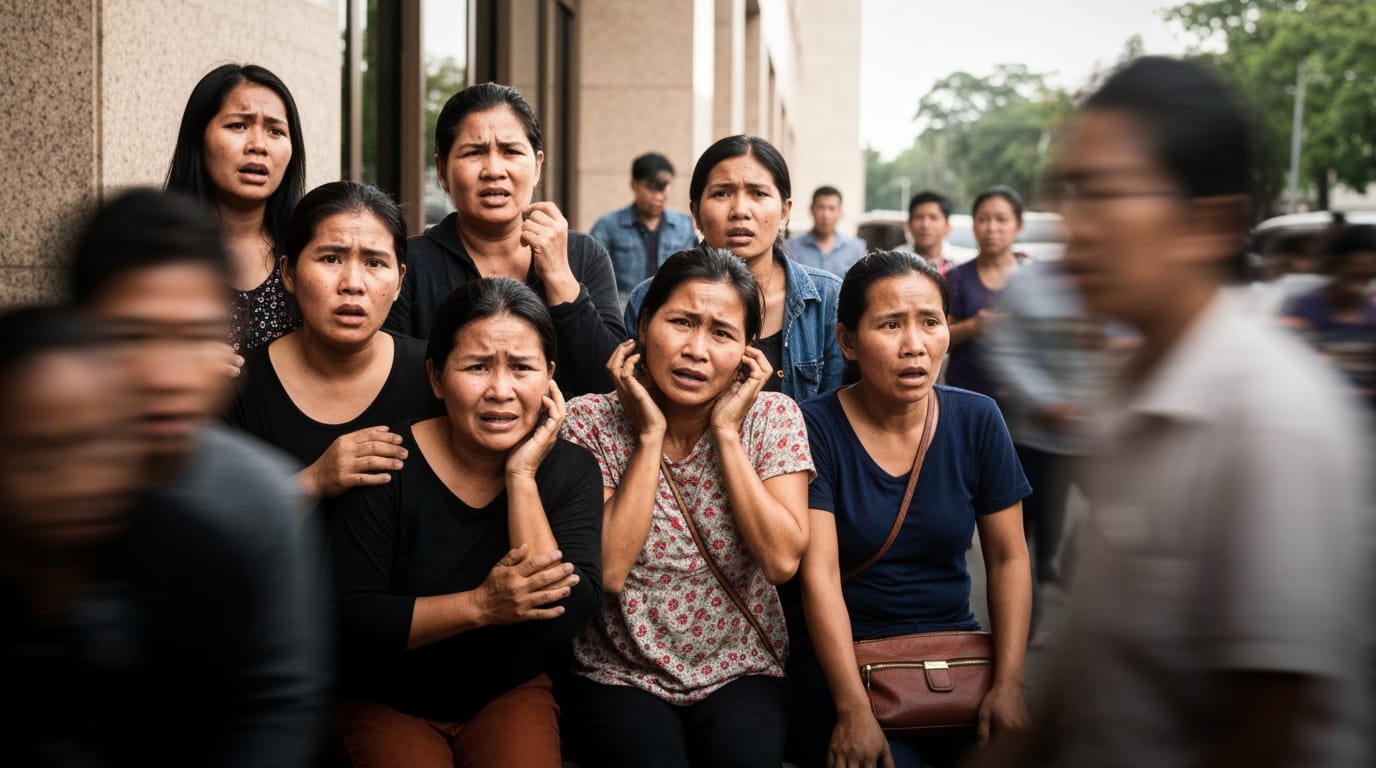
GENEVA – A alarming surge in human trafficking, compelling hundreds of thousands of individuals into forced labor within sophisticated online scam operations, is rapidly escalating into a global humanitarian crisis, according to recent reports from various United Nations bodies. Victims, often lured by deceptive promises of lucrative jobs, are finding themselves entrapped in heavily guarded compounds across Southeast Asia, forced to perpetrate cybercrimes that generate tens of billions of dollars annually for transnational criminal syndicates. This dark evolution of modern slavery underscores a complex intersection of cybercrime, human rights abuses, and geopolitical instability.
The International Organization for Migration (IOM), the UN Human Rights Office (OHCHR), and the UN Office on Drugs and Crime (UNODC) have each issued stark warnings, highlighting the industrial scale of these operations and the horrific conditions endured by those ensnared. This crisis represents a significant shift in the landscape of human trafficking, moving beyond traditional forms of exploitation to leverage digital platforms for both recruitment and illicit activities, impacting individuals and economies worldwide.
The Deceptive Lure of Digital Employment
The genesis of this modern-day forced labor often begins with seemingly innocuous job advertisements circulated on social media platforms. These offers typically promise attractive salaries and ideal working conditions for roles in IT, human resources, or the burgeoning gambling sector abroad. Highly educated and technologically skilled individuals, seeking better economic opportunities, are frequently among the targeted demographic. Once victims accept these seemingly legitimate positions, traffickers often arrange travel, making the offer irresistible. However, upon arrival, the promised dream job quickly devolves into a nightmare. Perpetrators confiscate passports, identification documents, and personal cellphones, effectively severing victims' ties to the outside world and trapping them within fortified compounds.
While exploitation has been reported in various locations, Cambodia, Laos, Myanmar, and the Philippines have emerged as primary hotbeds for these illicit operations. Political instability, particularly in Myanmar, has created fertile ground for criminal groups to establish and expand these scam centers, often operating with impunity in remote border areas or special economic zones.
Inside the Compounds: A Litany of Abuse
Life inside these scam centers is characterized by severe coercion and systemic abuse. Victims are forced to work relentlessly, often up to 20 hours a day, six days a week, under constant surveillance. They are subjected to stringent "sales" quotas, and failure to meet these targets results in brutal punishment. Reports detail a "litany of abuse" including torture, sexual abuse, starvation, solitary confinement, and severe beatings. Medical attention is often denied, and a steady stream of suicides and mysterious deaths has been reported from within these compounds.
The psychological toll on these individuals is immense. Beyond the physical torment, victims face constant threats, including being sold to other criminal groups if they attempt to resist or escape. The perpetrators' sophisticated methods ensure a dual layer of victimhood: those forced to commit the scams, and the global targets of their fraudulent activities. The UNODC defines this as trafficking in persons for forced criminality, a form of exploitation intricately linked with various cybercrimes, financial fraud, money-laundering, and corruption.
A Multi-Billion Dollar Criminal Enterprise
The scale of the financial gains reaped by these criminal networks is staggering. Credible estimates suggest the global online scam industry generates annual revenues as high as $64 billion, with the Mekong region alone accounting for over $43.8 billion. In Cambodia, this new form of trafficking is estimated to generate over $16.4 billion annually. The illicit proceeds from these scam offenses across East Asia, Southeast Asia, Australia, and New Zealand are projected to range between USD 88.3 billion and USD 114.1 billion for 2025 alone.
These operations target individuals worldwide through various fraudulent schemes, including romance scams, investment scams, and cryptocurrency frauds. The criminal syndicates are highly organized, leveraging digital platforms, AI tools, and extensive internet infrastructure to broaden their reach and enhance their fraudulent capabilities. They often establish "legal facades," registering corporations and obtaining necessary permits to conceal widespread abuse and exploitation behind seemingly legitimate businesses. This sophisticated infrastructure allows them to operate with a high degree of organization, making detection and dismantling particularly challenging for law enforcement agencies.
International Response and Daunting Challenges
The burgeoning crisis poses significant challenges to international law enforcement and human rights organizations. The transnational nature of these criminal operations, coupled with weak governance and borderland impunity in certain regions, complicates efforts to rescue victims and prosecute perpetrators. Between 2022 and 2025, the IOM assisted over 3,500 victims of trafficking for forced criminality across Southeast Asia, hailing from 39 different countries. However, this number likely represents only a fraction of the total affected population, which some estimates place in the hundreds of thousands.
UN agencies emphasize that individuals forced to commit crimes within these scam centers are victims of trafficking and should be protected, not punished. The UNODC warns that "no country can address these threats alone," underscoring the critical need for robust international cooperation. Responses require a multi-faceted approach, focusing on victim identification and protection, disrupting criminal networks, and enhancing cross-border collaboration to combat the intertwined issues of human trafficking and cybercrime. The fight against this evolving form of modern slavery demands urgent and concerted global action to support survivors, dismantle criminal enterprises, and close the systemic gaps exploited by these ruthless networks.
The ongoing crisis serves as a stark reminder that as technology advances, so too do the methods of exploitation. The fight against human trafficking in the digital age requires adaptability, vigilance, and an unwavering commitment to human rights on a global scale.