Global Health Alarms Sound as World Cup 2026 Confronts Ebola Outbreak Realities
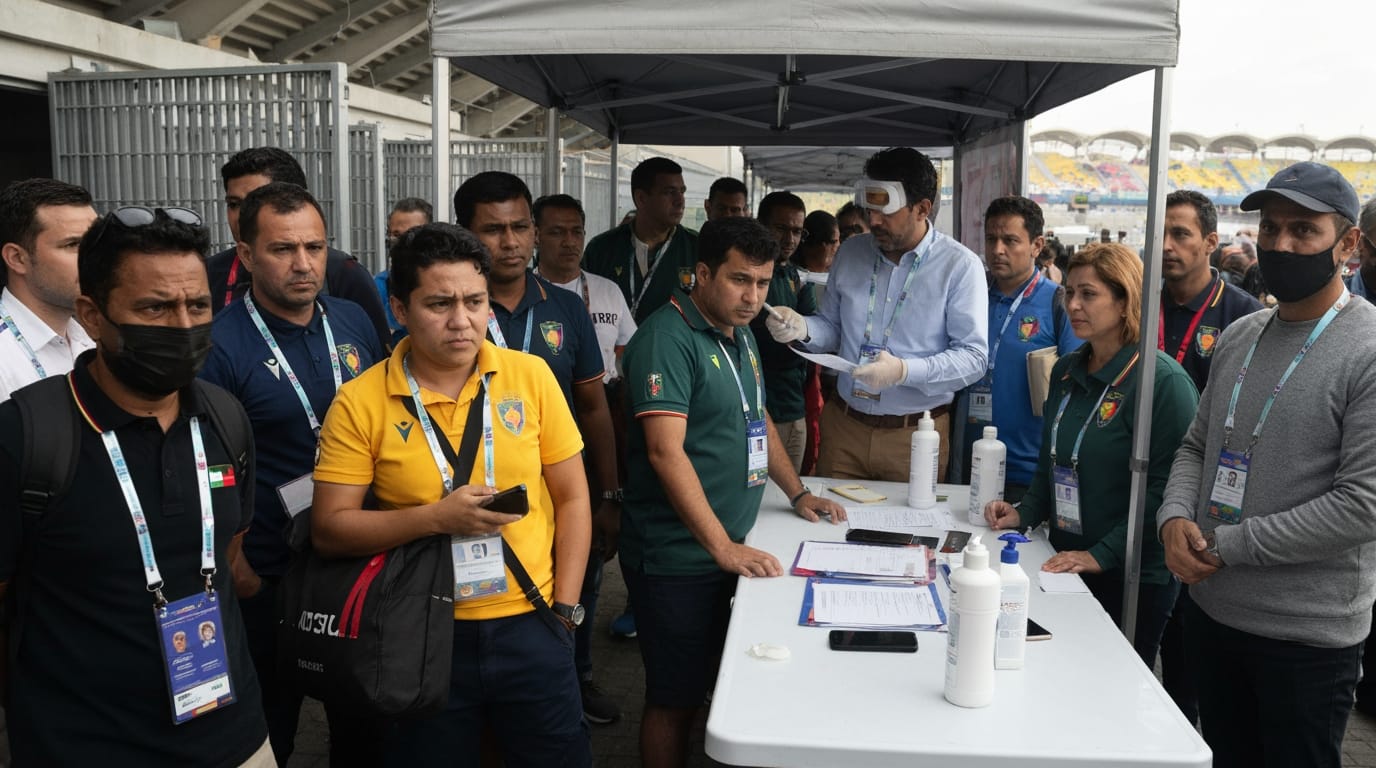
The world's gaze turns to North America as the 2026 FIFA World Cup, a quadrennial spectacle of athleticism and global unity, prepares to kick off. Yet, beneath the fervor of anticipation, a serious public health challenge looms: a rapidly expanding Ebola outbreak in Central Africa. While experts assess the direct risk to World Cup attendees as low, the concurrent events have triggered heightened vigilance among host nations and international health organizations, underscoring the complex interplay between global events and public health crises.
The scale of the 2026 World Cup, set to host millions of fans across 16 cities in the United States, Canada, and Mexico, represents an unprecedented logistical and public health undertaking. It coincides with an active and concerning Ebola outbreak in the Democratic Republic of Congo (DRC) and Uganda, caused by the Bundibugyo virus, a strain for which no approved vaccines or targeted treatments currently exist. This situation has necessitated robust preparedness strategies from health authorities, demonstrating the ongoing challenges of managing infectious diseases in an interconnected world.
The Looming Shadow of Ebola: A Public Health Emergency
The current Ebola outbreak, which began in May 2026 in the Ituri Province of the Democratic Republic of Congo, has swiftly escalated, spreading to neighboring Uganda and prompting a declaration of a Public Health Emergency of International Concern (PHEIC) by the World Health Organization (WHO). As of early June 2026, hundreds of confirmed and suspected cases have been reported across the affected regions, with a significant death toll. The Bundibugyo virus, identified as the causative agent, adds another layer of complexity as it differs from the Zaire ebolavirus, for which existing treatments and vaccines were developed.
The geographical concentration of the outbreak in remote and conflict-ridden areas complicates response efforts, with poor healthcare infrastructure hindering effective detection, treatment, and prevention. The US Centers for Disease Control and Prevention (CDC) has even conducted modeling exercises, with some scenarios suggesting the potential for the current outbreak to reach a scale comparable to the devastating 2014-2016 West African Ebola epidemic that claimed over 11,000 lives. This stark warning, tempered by the understanding that accurate projections are difficult under such conditions, highlights the seriousness of the situation for global health authorities.
World Cup Preparedness and Navigating Travel Restrictions
In response to the African Ebola outbreak, the 2026 FIFA World Cup host nations – the United States, Canada, and Mexico – have implemented coordinated health measures, including rigorous travel screening protocols for individuals arriving from high-risk African regions. These measures are designed to mitigate any potential introduction and spread of the virus within their borders during the massive influx of international visitors. For instance, the U.S. government has imposed emergency public health rules, including entry restrictions for foreign nationals who have visited affected countries within the incubation period of the virus.
The impact of these restrictions has already been felt directly by participating teams. The Democratic Republic of Congo's national football team, set to make their first World Cup appearance since 1974, was compelled to cancel their pre-tournament training camp in Kinshasa, their capital, relocating it to Belgium. This disruption stemmed from the ongoing outbreak and the need for their technical staff, many of whom reside in the DRC, to comply with the 21-day isolation period required before entering the United States, where two of their group stage matches are scheduled. While the players themselves, largely based overseas, are less affected, concerns persist regarding the ability of team staff, officials, journalists, and fans from the region to navigate these new regulations. FIFA has stated it is closely monitoring the situation and is in communication with the DR Congo Football Association to ensure adherence to medical and security guidance.
Assessing the Risk: Ebola "Scary but Unlikely" for Mass Gatherings
Despite the justifiable global concern surrounding the Ebola outbreak, public health experts largely agree that the risk of widespread transmission of the virus at the World Cup venues themselves remains low. Unlike highly contagious respiratory illnesses such as influenza or COVID-19, Ebola primarily spreads through direct contact with the bodily fluids of an infected, symptomatic person, making casual transmission in crowded settings significantly less likely. Health officials in host cities like Houston have publicly emphasized this distinction, assuring residents and visitors that while vigilance is critical, alarm is unwarranted.
To further safeguard public health, advanced surveillance methods are being deployed. U.S. health experts are preparing to monitor wastewater in host cities for genetic traces of viruses and bacteria, including Ebola, as an early warning system for potential outbreaks. This innovative approach, widely adopted since the COVID-19 pandemic, can detect circulating pathogens days or weeks before clinical cases emerge, providing crucial time for intervention. The extensive planning also includes the use of anonymized electronic health records and online data to identify unusual health patterns.
Broader Public Health Challenges Beyond Ebola
While Ebola garners significant attention due to its severity, public health experts stress that the 2026 World Cup, like any large-scale international gathering, presents a multitude of other, more probable infectious disease risks. Respiratory illnesses such as measles, influenza, and COVID-19 pose a greater threat given their ease of transmission in crowded environments like stadiums, fan zones, and public transportation. Notably, the host nations have experienced recent resurgences in measles cases, making vaccination against this highly contagious disease a key recommendation for travelers. The 2025-2026 flu season also saw a 30-year high, further elevating concerns.
Beyond communicable diseases, heat-related illnesses are a significant and recurring concern for outdoor summer tournaments. Anticipating high temperatures, FIFA has introduced mandatory cooling breaks during matches and will provide climate-controlled benches for technical staff and substitutes. Other potential health issues include mosquito-borne diseases like dengue and Zika in certain regions, as well as an increased risk of sexually transmitted infections. The Pan American Health Organization (PAHO) has issued comprehensive public health recommendations for attendees, emphasizing routine vaccinations, safe hygiene practices, food and water safety, and awareness of local health risks. These guidelines are part of broader WHO frameworks for managing health risks at mass gatherings, highlighting the need for extensive planning, inter-agency communication, and community engagement.
Conclusion: Vigilance Amidst Global Celebration
The 2026 FIFA World Cup stands as a testament to global connection and collective passion, drawing millions together across continents. Simultaneously, the Ebola outbreak in Central Africa underscores the persistent fragility of global health and the interconnectedness of human well-being. While direct widespread Ebola transmission at the World Cup venues is considered unlikely due to robust screening and the nature of the virus, the ongoing outbreak has undoubtedly impacted preparations, particularly for nations directly affected.
The comprehensive public health strategies implemented by host nations and international organizations reflect a sophisticated understanding of disease transmission and risk mitigation in the context of mass gatherings. From enhanced travel screenings to advanced wastewater surveillance and broad public health advisories, these measures aim to ensure the safety and health of participants and spectators alike. The dual narrative of a global celebration coexisting with a significant health crisis serves as a powerful reminder of the continuous need for vigilance, preparedness, and international cooperation in an ever-shrinking world.