Global Spotlight on Human Rights: Amnesty International Challenges FIFA Over World Cup Abuses
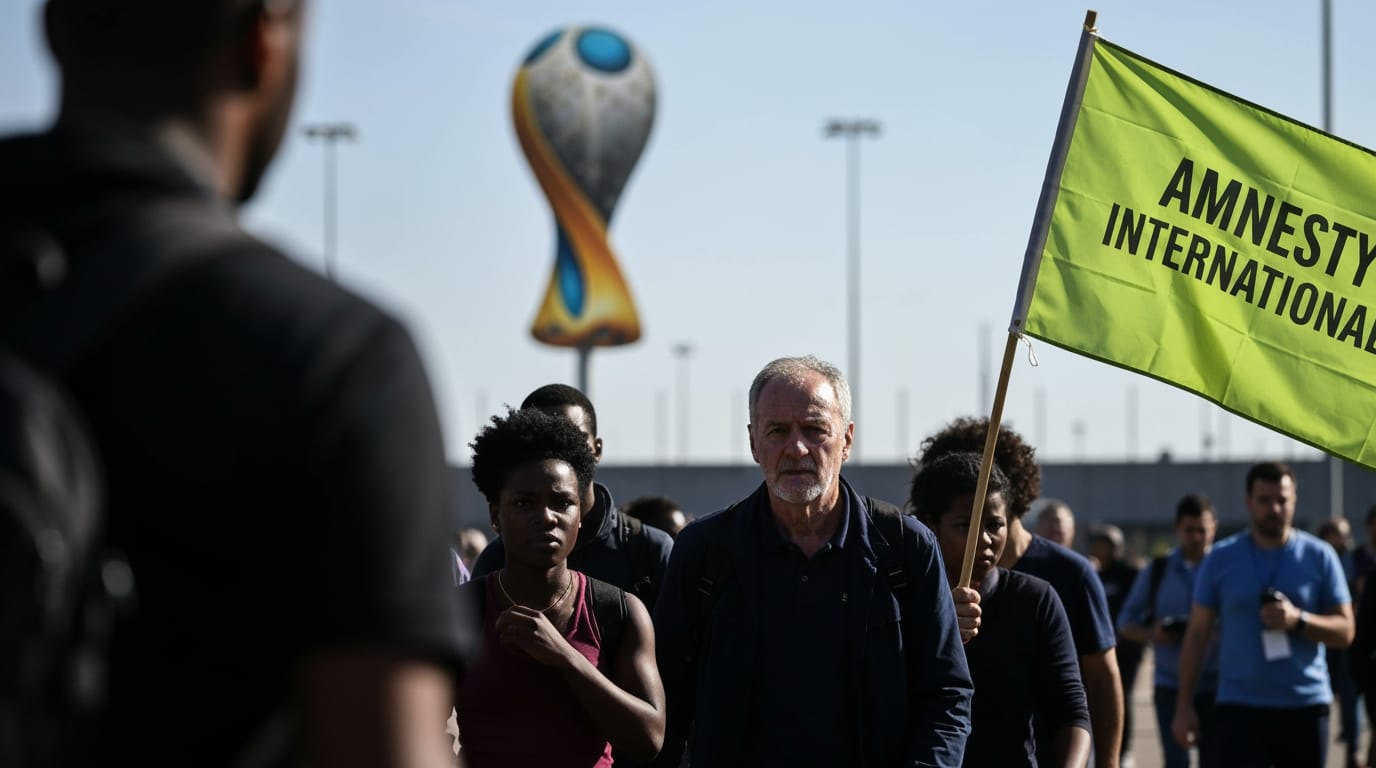
Amnesty International has consistently brought the spotlight onto the human rights records surrounding the FIFA World Cup, issuing stark warnings and detailed reports over multiple tournaments. From the construction of stadiums in Qatar for the 2022 event to the bids for 2030 and 2034, and even concerns for the upcoming 2026 World Cup in North America, the human rights organization has pressed FIFA and host nations to uphold international standards, particularly regarding migrant workers, freedom of expression, and non-discrimination. The scrutiny highlights a recurring tension between the economic spectacle of global sporting events and the fundamental rights of individuals involved.
The Qatar Legacy: Migrant Worker Exploitation and Unanswered Calls for Justice
The lead-up to and aftermath of the 2022 FIFA World Cup in Qatar became a significant focal point for Amnesty International's human rights advocacy. The organization repeatedly documented systemic abuses against migrant workers who were crucial in building the infrastructure for the tournament. These abuses included forced labor, wage theft, harsh working conditions, and severely limited access to justice. Reports detailed how workers, often from countries like Nepal, Kenya, Ghana, Bangladesh, and India, faced illegal recruitment fees, had their pay withheld, and were forced to work grueling shifts, sometimes for 12 hours a day over 38 consecutive days, in violation of Qatari law. Some workers reported being threatened with termination, police action, or prevention from leaving Qatar if they dared to complain about their conditions.
A central component of the exploitation stemmed from Qatar's "kafala" sponsorship system, which effectively tied workers to their employers and restricted their ability to change jobs or exit the country. While Qatar introduced reforms, Amnesty International contended that their implementation was often inadequate or stalled, allowing the worst elements of the system to persist. The human rights body also criticized the Qatari authorities for failing to properly investigate the deaths of thousands of migrant workers over the past decade, thereby denying families any potential compensation.
Amnesty International urged FIFA and Qatar to provide adequate compensation for the vast numbers of workers whose rights were abused. However, a "Legacy Fund" established by FIFA for the 2022 World Cup notably excluded direct compensation for affected workers. Furthermore, Amnesty pressed FIFA to release a long-awaited independent review into worker compensation, a report that remained unpublished months after its delivery. These issues underscored a perceived failure by FIFA to ensure human rights were safeguarded, despite being aware of the ongoing problems.
Future Tournaments: New Bids, Enduring Concerns
Amnesty International's advocacy extends beyond the 2022 tournament, with recent reports flagging significant human rights risks for the upcoming 2030 and 2034 World Cups, as well as the 2026 event. The organization published "Playing a Dangerous Game? Human Rights Risks Linked to the 2030 and 2034 FIFA World Cups," a comprehensive assessment urging FIFA to secure binding human rights safeguards from all bidding and host nations.
For the joint 2030 bid by Morocco, Portugal, and Spain (with additional games in South America), concerns primarily revolve around labor rights, discrimination, freedom of expression and assembly, policing, privacy, and housing. Significant construction is anticipated, particularly in Morocco, raising questions about labor protections and potential forced evictions. Morocco's existing laws that criminalize criticism of the monarchy, state institutions, or Islam, alongside reported harassment of journalists and human rights defenders, also present risks to freedom of expression during the tournament.
However, the risks associated with Saudi Arabia's bid to host the 2034 World Cup are described by Amnesty International as being of an "entirely different magnitude and severity." The organization calls for sweeping changes to Saudi labor laws and the release of unjustly imprisoned activists and human rights defenders, citing the country's "appalling human rights record."
Amnesty International has been critical of FIFA's bidding process for these future tournaments, arguing that the practice of having single bids for each effectively undermines robust human rights due diligence. Human Rights Watch also stated that FIFA "has broken its own human rights rules" in this regard and has not responded to requests for information on its due diligence processes. Amnesty International's recommendations for FIFA include conducting genuinely independent human rights risk assessments, securing binding commitments from host nations to prevent violations, and ensuring meaningful participation from civil society organizations, trade unions, and affected groups throughout the bidding and preparation phases. They also insist that FIFA must reject any bid that fails to guarantee human rights.
The 2026 World Cup: A "Stage for Repression"?
Even the 2026 FIFA World Cup, to be co-hosted by the United States, Canada, and Mexico, has drawn warnings from Amnesty International. The organization cautioned that the tournament risks becoming a "stage for repression." In the United States, concerns have been raised about discriminatory immigration policies, including mass deportations and aggressive Immigration and Customs Enforcement (ICE) operations, which could threaten the inclusivity of the event and impact fans from specific nations. The hostile political climate regarding LGBTQ+ rights in the U.S. also poses risks to LGBTQ+ fans, players, and workers. Threats to freedom of expression and peaceful protest are additional worries.
Mexico's human rights challenges, particularly violence against journalists and LGBTQ+ individuals, also form part of Amnesty's concerns for the 2026 event. While FIFA has introduced new protocols requiring host committees to develop human rights action plans for 2026, advocates remain skeptical, suggesting these plans may be "watered down" and lack enforceability. FIFA's past actions, such as prohibiting political or religious statements during tournaments, have also contradicted its stated commitment to free expression.
Upholding Integrity: The Ongoing Battle for Human Rights in Sport
The repeated interventions by Amnesty International underscore a persistent challenge: ensuring that the immense global platform and economic power of the FIFA World Cup do not come at the cost of human dignity and fundamental rights. The organization consistently highlights the significant financial gains reaped by FIFA and host countries, contrasting them with the human toll borne by workers and vulnerable communities.
Amnesty International's work emphasizes the critical need for independent monitoring, robust human rights due diligence, and effective grievance and remediation mechanisms at every stage of World Cup planning and execution. The organization continues to push for FIFA to move beyond rhetoric and implement concrete actions that reflect its stated human rights commitments, making clear that the World Cup can be a source of either dignity or exploitation, inclusion or discrimination, freedom or repression, depending on the choices made by its organizers and hosts. The ongoing efforts serve as a crucial reminder that the pursuit of sporting glory must not overshadow the universal imperative to protect human rights.