Haiti Plunges Deeper into Crisis as Gang Massacre Claims Dozens in Kenscoff
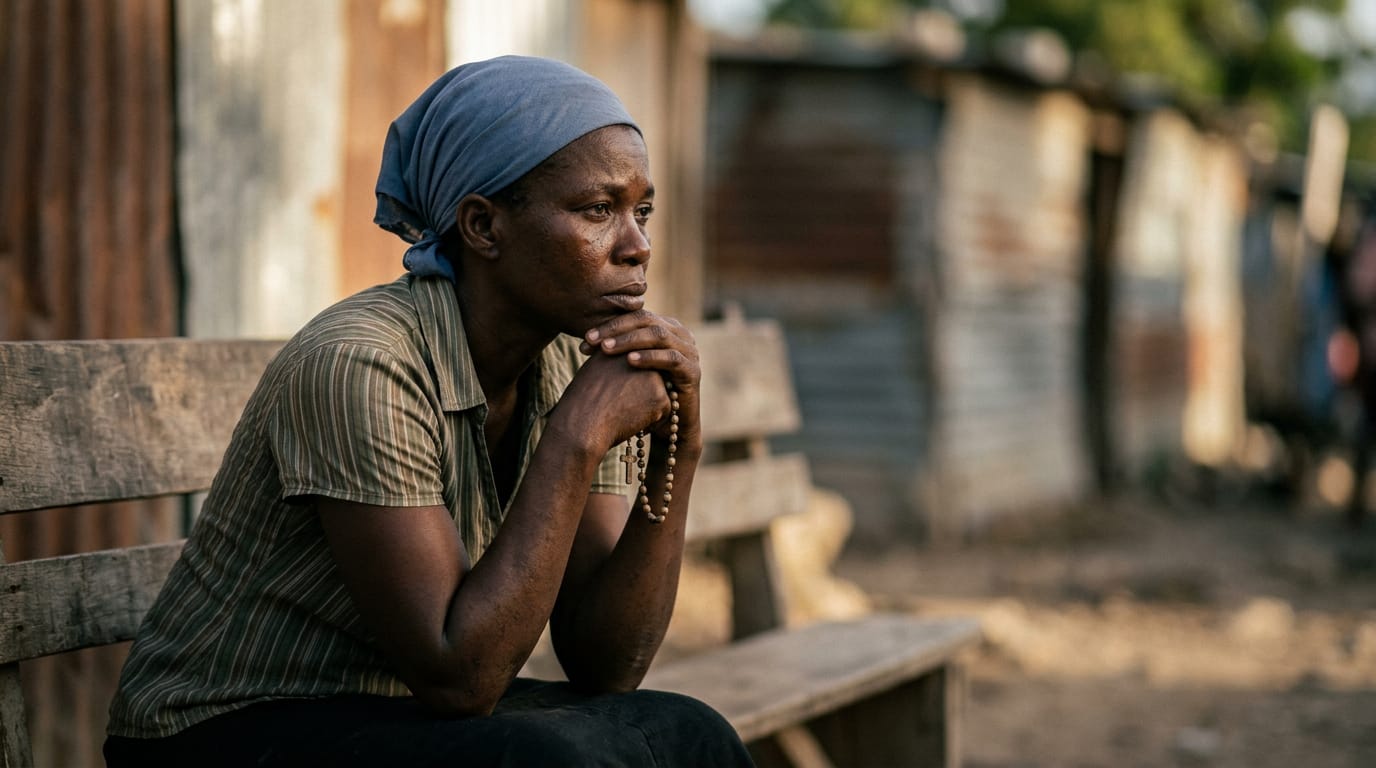
PORT-AU-PRINCE, Haiti – A wave of brutal gang violence has once again engulfed Haiti, with a powerful criminal coalition launching a devastating assault on the previously quiet farming community of Kenscoff, nestled in the hills overlooking the capital. The coordinated attack, which began late Sunday and continued into Monday, left at least 47 people dead and scores injured, intensifying an already dire humanitarian crisis in the troubled Caribbean nation. Survivors recounted scenes of terror as armed men set homes ablaze and indiscriminately killed residents, underscoring the escalating reach and barbarity of Haiti's rampant gang control.
Kenscoff's Desolation: A Community Under Siege
The attack on Kenscoff marked a grim escalation in Haiti's security crisis, shattering the relative peace of a community once considered a refuge from the urban turmoil. Armed members of the "Viv Ansanm" gang coalition descended upon the area, raiding homes and targeting a church, as well as the residence of a renowned local doctor. Mayor Jean Massillon described an indeterminate death toll amid the chaos, though United Nations reports later confirmed at least 47 fatalities and 22 injuries. The violence forced untold numbers to flee, adding to the country's staggering displaced population.
Eyewitnesses in Kenscoff described a horrifying dawn, with bodies strewn across the streets as survivors desperately searched for loved ones. "They killed my son!" one woman was heard crying, while a farmer, Mathurin Pierre, reported losing 14 family members in the onslaught. The sheer brutality of the assault, including the deliberate burning of houses, highlights a calculated strategy of terror aimed at asserting dominance and destabilizing communities outside the traditional gang strongholds. This is not Kenscoff's first encounter with gang violence; the hillside community, strategically overlooking key routes into Port-au-Prince, has suffered a dozen attacks over the past year, forcing thousands to abandon their homes. The latest massacre underscores a chilling trend: gang violence is no longer confined to the capital's impoverished neighborhoods but is actively spreading to once-peaceful areas, transforming the entire country into a battleground.
The Expanding Shadow of Viv Ansanm
The "Viv Ansanm" coalition, identified as the perpetrator of the Kenscoff massacre, represents a formidable and increasingly ruthless force in Haiti. This powerful alliance, which the U.S. government designated as a foreign terrorist organization last year, controls an estimated 70% to 90% of Port-au-Prince and continues to expand its territorial reach across the country. The group's motives are complex, ranging from territorial control and extortion to acts of reprisal. For instance, an earlier massacre in Labodrie, also attributed to Viv Ansanm, was reportedly provoked by the killing of a local gang leader known as Vladimir. Such retributive violence often targets innocent civilians, with gangs displaying a chilling disregard for human life.
The constant competition between rival criminal groups for territory and resources fuels an unending cycle of brutal fighting. Beyond direct clashes, gangs engage in widespread extortion, kidnapping, and sexual violence, terrorizing the populace into submission. Children are particularly vulnerable, often exploited for criminal activities or caught in the crossfire. The sheer scale of gang control has led to a breakdown of governance, leaving millions without protection and basic services. The violence has contributed to an staggering death toll across Haiti, with over 1,600 people killed in the first quarter of 2026 alone, and a cumulative 16,000 fatalities since January 2022.
Haiti's Interlocking Crises: A Nation on the Brink
The Kenscoff massacre is not an isolated incident but a stark symptom of Haiti's profound and multi-layered crisis. The nation remains trapped in a vortex of political instability, economic collapse, and overwhelming humanitarian needs, exacerbated by the unchecked power of armed groups. Since the assassination of President Jovenel Moïse in 2021, a protracted power vacuum has allowed gangs to flourish, effectively becoming de facto authorities in vast swathes of the country.
The humanitarian fallout is catastrophic. Over half of Haiti's population, approximately 6.4 million people, are in desperate need of assistance. Food insecurity is rampant, with 5.8 million people experiencing acute hunger, pushing the country to the brink of famine in many areas. Access to essential services, including healthcare, clean water, and education, has been severely disrupted or completely halted in gang-controlled territories. The widespread violence has also triggered massive internal displacement, with a record 1.4 to 1.5 million Haitians forced to flee their homes, often seeking shelter in overcrowded and unsanitary makeshift camps. The UN human rights office reports a high number of killings, injuries, persistent kidnappings, and rampant sexual violence, especially gang rape, affecting women and girls.
A Struggling Response Amid Overwhelming Odds
The Haitian government's capacity to address the spiraling crisis remains severely limited. While officials condemned the Kenscoff attack and vowed to restore order, the National Police force is critically understaffed and underfunded, struggling to confront the heavily armed and well-organized gangs. Despite some reported tactical advances in certain areas of downtown Port-au-Prince, the overall security situation continues to deteriorate.
The international community has recognized the gravity of the situation, with efforts underway to provide support. A UN-backed multinational security mission, led by Kenyan police, is in place to help quell the violence. The U.S. and Panama have also expressed support for transforming the current multinational force into a larger, 5,550-member body with enhanced capabilities to detain and arrest suspected gang members. However, these interventions face immense challenges, including inadequate funding and the sheer scale of the conflict. The 2026 humanitarian appeal remains critically underfunded, hindering life-saving operations. Without robust, sustained, and coordinated international intervention, coupled with significant political will and capacity-building within Haiti, the nation risks further descent into anarchy.
The attack on Kenscoff serves as a stark reminder of the profound human cost of Haiti's ongoing instability. The pervasive influence of armed gangs, the systemic collapse of governance, and the deepening humanitarian catastrophe demand urgent and decisive action. As millions of Haitians endure unspeakable suffering, the international community faces a critical moral imperative to assist this nation in reclaiming its peace and stability from the grip of unrelenting violence.