Heatwaves Reveal Deepening Gender Divide in Mortality Rates

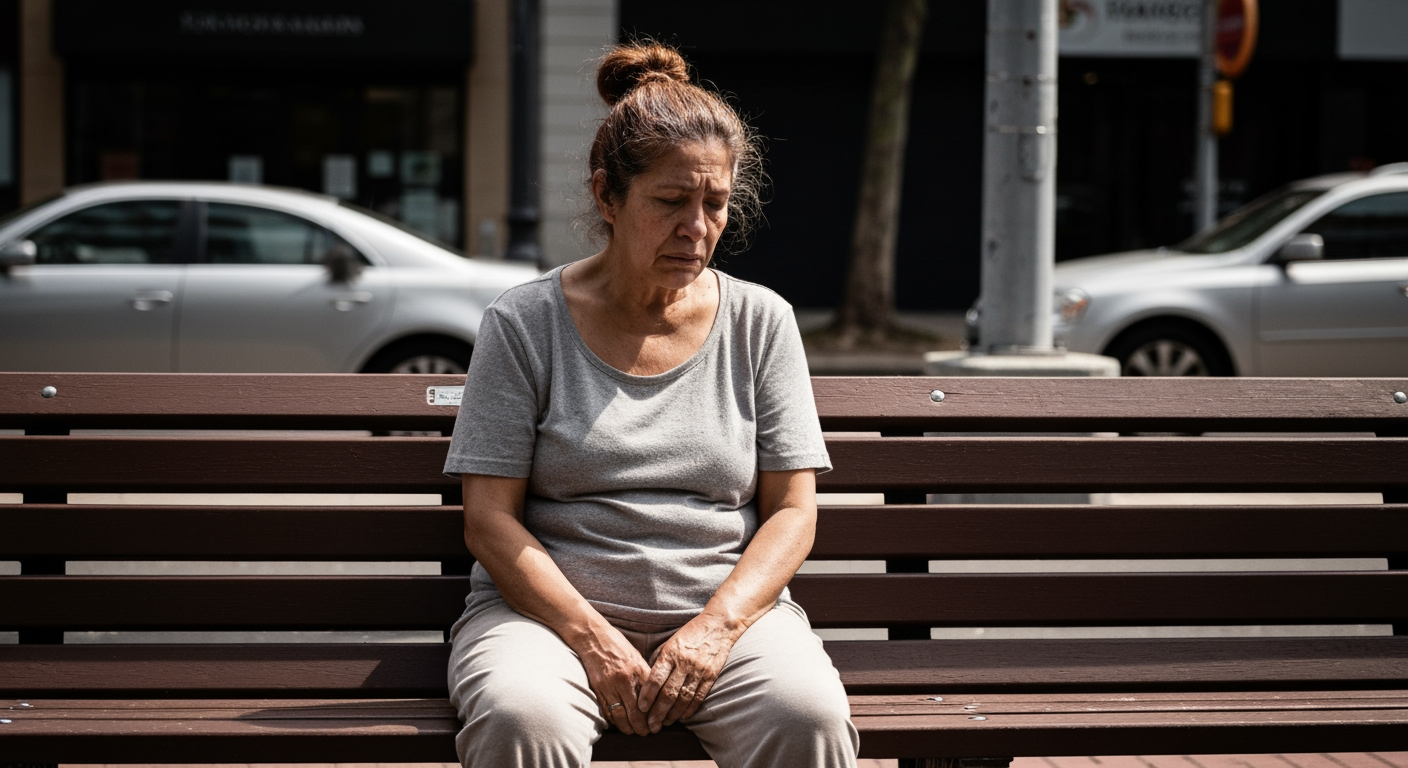
Global heatwaves are disproportionately claiming the lives of women, a trend that experts attribute less to inherent biological differences and more to a complex interplay of socio-economic factors and systemic inequalities.
As extreme temperatures become a more frequent reality across the globe, the vulnerability of certain demographics to heat-related mortality has been starkly highlighted. Recent data and ongoing studies indicate that women consistently bear a heavier burden during these climatic events, experiencing higher mortality rates than men. While some physiological distinctions contribute to this elevated risk, researchers increasingly point to deeply entrenched social, economic, and age-related disparities as the predominant drivers behind this concerning gap. The phenomenon underscores how climate change acts as a threat multiplier, intensifying existing gender inequalities and demanding a re-evaluation of disaster preparedness and response strategies.
The Alarming Disparity: Women on the Frontline of Heat Mortality
Epidemiological studies across various regions consistently demonstrate that women are more susceptible to heat-related deaths. For instance, in 2022, a year marked by record-breaking heat in Europe, heat-attributable mortality had a greater impact on women, who accounted for approximately 60% of such deaths. This pattern aligns with historical data, despite official statistics often lacking a gender breakdown. This disproportionate impact is particularly evident during unprecedented heat events. The past summer, for example, saw extreme temperatures exceeding 45 degrees Celsius in some parts of Europe, contributing to a historic record of heat-related deaths. In one observed period, there was a 300% increase in cases compared to the previous year, further emphasizing the escalating crisis.
The vulnerability of women is not uniform across all age groups but is notably pronounced among older populations. Women, on average, live longer than men, leading to a larger demographic of older women who are inherently more vulnerable to heat stress. A study conducted by Penn State researchers revealed that older women are physiologically more susceptible to high heat and humidity than their male peers. Moreover, the study found that women between the ages of 40 and 64 exhibit a level of vulnerability comparable to men aged 65 or older, highlighting an earlier onset of increased risk for women. This finding is significant as it suggests that factors beyond mere longevity are at play, pointing to physiological differences that emerge with age.
Beyond Physiology: Unpacking the Socio-Economic Web
While physiological differences contribute to women's vulnerability, experts largely agree that these biological factors are not the primary cause of the elevated mortality rates. Instead, a complex "cocktail of factors" primarily rooted in social, economic, and age inequalities amplifies the risk for women. The Barcelona Urban Research Institute (IDRA) identified a particularly vulnerable profile during heatwaves: an elderly woman with health problems, living alone in a low-income neighborhood, and residing in housing without adequate cooling. This highlights the compounding effect of multiple disadvantages.
Socioeconomic status plays a crucial role. Women are frequently found in lower-income brackets, often lacking the financial resources to implement effective cooling measures in their homes, such as air conditioning or even simply running fans for extended periods. Their living conditions may involve poorly insulated housing in urban "heat islands," which retain heat more effectively, further exacerbating exposure. Furthermore, traditional gender roles often place women in caregiving positions, requiring them to tend to children, the elderly, or sick family members, potentially limiting their mobility and access to cooler environments or cooling centers during heat emergencies. These responsibilities can prevent them from prioritizing their own heat mitigation needs.
The Subtle Influence of Biology
Despite the overarching impact of socioeconomic factors, it is important to acknowledge that women's bodies do respond to extreme heat differently than men's. These biological distinctions, while not the "main cause" of increased mortality, can contribute to their heightened risk. Women generally produce less sweat and begin sweating at higher internal temperatures compared to men. This reduced sweating efficiency impairs their ability to shed excess heat quickly, making it harder for their bodies to regulate core temperature. Research also indicates that women may have a higher core body temperature and a greater body fat percentage, which can act as an insulating layer, further impeding heat dissipation.
Hormonal cycles also play a role, with evidence suggesting that extreme heat can alter the menstrual cycle. Pregnancy and menopause represent additional stages where female physiology may increase vulnerability to heat stress. The Penn State study further elucidated that while there are no significant differences in heat vulnerability based on biological sex in adults younger than 30, these physiological distinctions become more pronounced with age, contributing to the elevated risk observed in middle-aged and older women. This suggests a cumulative effect where physiological changes over time interact with environmental stressors.
Addressing Systemic Gaps and Promoting Data Equity
The lack of comprehensive, gender-disaggregated data poses a significant challenge to fully understanding and effectively addressing this issue. While strong evidence suggests women face a greater burden from extreme weather events, statistical evidence on gender-specific effects of extreme temperature changes can be ambiguous due to varied data availability and quality, particularly between the Global North and Global South. In many regions, female deaths are not officially reported or medically certified with the same fidelity as male deaths, creating critical gaps in understanding the true scope of the problem.
This disparity in data collection highlights the need for "data equity" – the principle that everyone should benefit equally from data resources, both in terms of availability and quality. Without accurate and granular data, policymakers struggle to develop targeted interventions that effectively protect the most vulnerable. The United Nations estimates that almost 80% of individuals impacted by climate-induced displacements are female, underscoring the broader gendered impacts of climate change that necessitate gender-sensitive approaches to climate action and disaster risk reduction.
Conclusion: Towards Gender-Sensitive Climate Resilience
The disproportionately higher mortality rates among women during heatwaves serve as a critical indicator of how climate change exacerbates existing societal inequalities. While physiological differences contribute to women's susceptibility to heat stress, it is the deeply embedded socio-economic factors – poverty, housing insecurity, age, and traditional gender roles – that predominantly elevate their risk and limit their capacity to adapt. The combination of an aging female population and persistent systemic disadvantages creates a particularly perilous scenario during periods of extreme heat.
Addressing this complex issue requires a multi-faceted approach. Policy interventions must move beyond generic heat action plans to incorporate a gender-sensitive lens, recognizing the unique vulnerabilities faced by women. This includes improving access to adequate cooling solutions for low-income households, establishing accessible and safe cooling centers, and providing targeted support for elderly women living alone. Furthermore, investing in data equity and ensuring the accurate collection and analysis of gender-disaggregated mortality data is paramount for developing informed and effective resilience strategies. Only by confronting both the biological and, more importantly, the socio-economic dimensions of this crisis can societies hope to build a truly equitable and climate-resilient future for all.
Related Articles


Yayoi Kusama, Visionary Artist Whose Polka Dots and Infinity Rooms Transformed Modern Art, Dies at 97
TOKYO – Yayoi Kusama, the avant-garde Japanese artist whose kaleidoscopic visions of polka dots, immersive "Infinity Mirror Rooms," and profound exploration of mental health captivated global audiences for over six...


Martin Walser: Germany's Acclaimed Author and Enduring Enigma
Martin Walser, a literary titan whose prolific career spanned decades and garnered numerous accolades, carved out a unique and often contentious space within German letters. While celebrated for his keen observations of...