High Stakes Diplomacy: US Offers Iran Prosperity for Nuclear Disarmament Amid Deep Mistrust
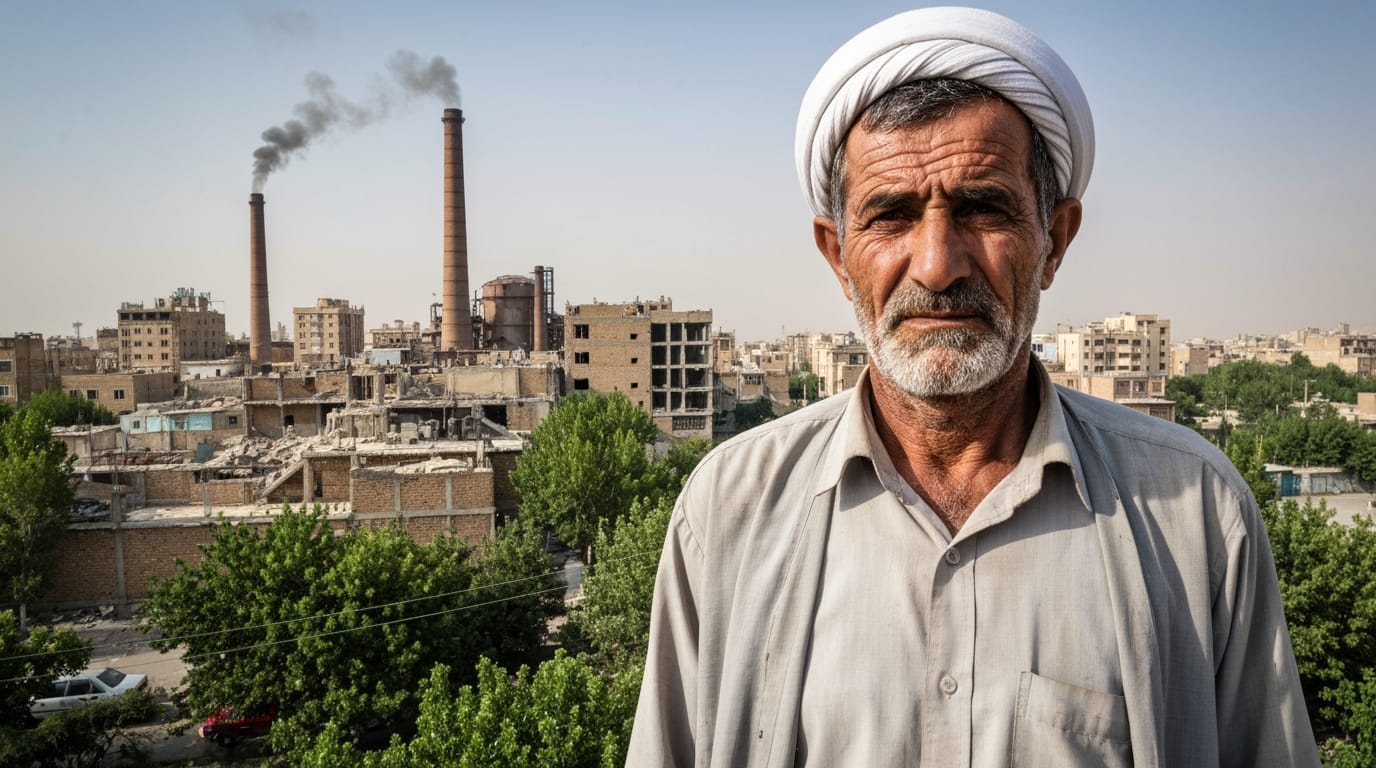
The United States has presented a renewed proposition to Iran, signaling that a future of economic prosperity and integration into the global community awaits the Islamic Republic if it abandons its nuclear weapons program. This offer, articulated by senior U.S. officials, comes amidst a period of intense diplomatic maneuvering and heightened regional tensions, underscoring the precarious balance between de-escalation and the enduring threat of nuclear proliferation. However, Tehran's initial responses have been marked by profound skepticism and a series of counter-demands, reflecting decades of mistrust and recent military confrontations.
The American Overture for Prosperity
The core of the U.S. proposal hinges on the promise that Iran could "thrive" if it ceases its nuclear enrichment and weaponization activities. U.S. Special Envoy for the Middle East, Steve Witkoff, and President Donald Trump have conveyed that a deal would lead to Iran's full integration into the global economy, aiming for a "complete cessation of any chance that they get a nuclear weapon." This offer implies significant sanctions relief and an end to Iran's international isolation, opening avenues for economic growth that have long been stifled. Recent discussions have reportedly taken place through intermediaries, with Oman playing a mediating role in indirect talks between Washington and Tehran.
This latest diplomatic push follows a tumultuous history of attempts to curtail Iran's nuclear ambitions. In 2015, the Joint Comprehensive Plan of Action (JCPOA), an agreement between Iran and several world powers including the U.S., limited Iran's nuclear program in exchange for the lifting of sanctions. However, the U.S. unilaterally withdrew from the JCPOA in 2018 under the Trump administration, citing the deal's perceived shortcomings and reimposing stringent sanctions. This withdrawal is widely seen as having led to Iran accelerating its uranium enrichment and restricting access for international inspectors, pushing its program closer to weapons-grade levels. The current U.S. position, while offering a path to prosperity, maintains a firm stance on zero enrichment, a principle that has been reinforced in international law through recent European-triggered snapback sanctions.
Tehran's Skepticism and Counter-Demands
Iran has met the American overture with a cautious, if not openly distrustful, demeanor. On March 26, 2026, Tehran delivered a formal, 15-point response to the U.S. proposal, transmitted via intermediaries. This response included significant counter-demands, such as an end to what Iran describes as "aggressive acts of assassination," concrete measures to prevent a recurrence of war, and clearly defined war reparations. Furthermore, Iran insisted on the recognition of its sovereignty over the Strait of Hormuz. These demands highlight the deep-seated grievances and the perception in Tehran that the U.S. is not negotiating in good faith.
Iranian officials have openly characterized the U.S. initiative as a "third deception project," accusing Washington of using diplomacy as a facade to project a peaceful image, manipulate global oil prices, and gain time to prepare for a potential ground invasion in southern Iran. This deep-rooted suspicion stems from a history of conflict, including a "12-day war in June 2025 and the broader conflict that followed," which has significantly eroded Iran's trust in American negotiations. A major sticking point remains Iran's insistence on its "natural and legal right" to enrich uranium, asserting that it is solely for peaceful purposes and has become a matter of "national pride and honor." Iranian Supreme Leader Ayatollah Ali Khamenei has publicly expressed low expectations for any positive outcome from talks with the U.S. Iran has firmly rejected any proposals that would demand the suspension of enrichment within its territory, deeming such conditions "unacceptable and unrealistic." Despite international sanctions, Iran's nuclear ambitions have been partly sustained by a "secret commercial empire" operated by the Islamic Revolutionary Guard Corps (IRGC), which leverages illicit trade and black markets to finance its operations, making the impact of conventional sanctions less effective against the nuclear program itself.
A History of Escalation and Current Tensions
The current diplomatic efforts unfold against a backdrop of significant military actions and threats that have escalated tensions in the region. U.S. President Donald Trump has explicitly threatened military action against Iran if diplomatic talks fail to produce a desired agreement. These threats are not abstract, as the region has recently witnessed military engagements. U.S.-Israeli strikes on Iranian nuclear facilities occurred in June 2025 and February 2026, prior to the current round of diplomatic initiatives. These strikes, which reportedly targeted primary enrichment infrastructure at Natanz and Fordow, were seen by some as setting back Iran's nuclear program and temporarily stabilizing the volatile regional situation.
The US has maintained that the cost of such military interventions, while substantial, is justifiable when compared to the potentially catastrophic global economic toll—estimated at $6 trillion—that could result from a nuclear-armed Iran and subsequent regional conflict. However, these military actions have deeply influenced Iran's negotiating posture, with Iranian sources stating that it is not politically feasible to engage in comprehensive talks "while our people are under bombardment." The cycle of sanctions, enrichment, and military pressure has fostered a complex and dangerous environment where both sides remain wary of the other's ultimate intentions.
The Stakes: Regional Stability and Global Economy
The diplomatic deadlock between the U.S. and Iran carries immense implications for regional stability and the global economy. A recent United Nations report confirmed that Iran has accumulated enough uranium, enriched to 60% purity and nearing weapon-grade 90%, to produce nuclear weapons. This development raises alarming concerns about a potential regional nuclear arms race, with neighboring states possibly seeking their own nuclear capabilities in response. The prospect of a nuclear Iran is seen by many as posing extraordinary threats to a region already under stress, potentially undermining international non-proliferation efforts.
Economically, the absence of a stable resolution risks prolonged uncertainty in energy markets, given the Middle East's critical role in global oil supplies. The U.S. estimates a nuclear breakout by Iran could lead to a global economic impact exceeding $6 trillion, a cost proponents of military action argue makes the current intervention financially preferable. Internationally, the response to sanctions and the U.S. withdrawal from the JCPOA has been fractured. While European nations have expressed regret over the U.S. pulling out of the 2015 deal, they have also implemented snapback sanctions due to Iran's violations. Conversely, Russia and China have opposed these sanctions, signaling a potential shift in geopolitical alignments and drawing them closer to Iran.
A Precarious Path Forward
The proposition for Iran to "thrive" by abandoning its nuclear program represents a critical juncture in the long-standing international effort to prevent nuclear proliferation in the Middle East. The chasm between the U.S. vision of a prosperous, denuclearized Iran and Tehran's deep-seated distrust, insistence on sovereign enrichment rights, and demands for redress presents formidable obstacles to a lasting agreement. The shadow of past conflicts and broken deals looms large, making verification mechanisms, political will, and genuine commitment from both sides paramount for any potential breakthrough. The outcome of these high-stakes negotiations will not only determine Iran's future but will also profoundly shape the geopolitical landscape of the Middle East and the broader framework of international security.


