Honduras Shifts Right as Trump-Backed Asfura Claims Contentious Presidential Victory
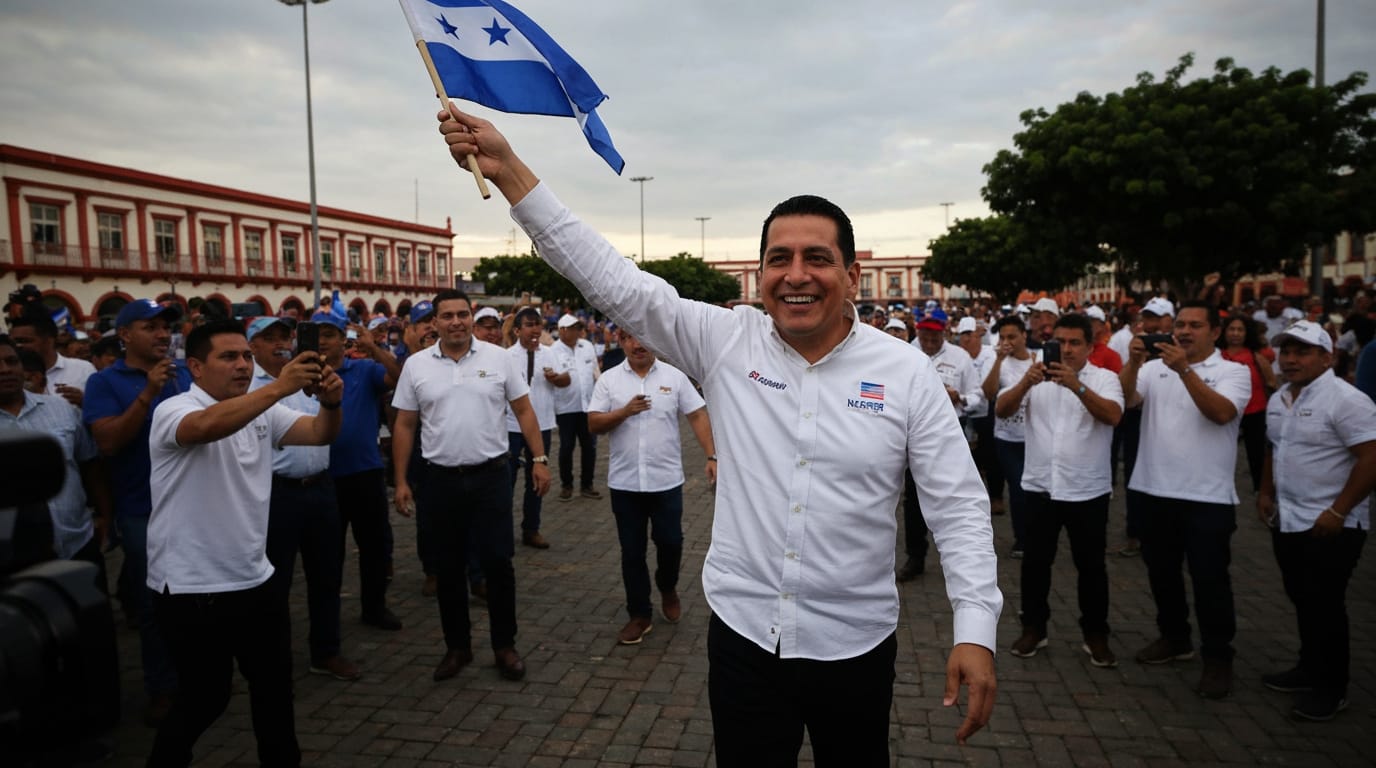
TEGUCIGALPA, Honduras – In a dramatic conclusion to a weeks-long and deeply divisive electoral process, Nasry “Tito” Asfura, the conservative candidate from the National Party and a staunch ally of former U.S. President Donald Trump, has been declared the winner of Honduras’ presidential election. The announcement culminates an election cycle marked by fierce competition, allegations of interference, and a palpable sense of national anxiety, signaling a significant political shift for the Central American nation. Asfura is set to assume office in January 2026, ending the brief tenure of the leftist Liberty and Refoundation (Libre) party.
A Contested Path to the Presidency
The presidential race, held on November 28, 2025, saw Asfura narrowly defeat his primary rival, Salvador Nasralla of the Liberal Party, following an extended period of vote counting that sparked widespread concern and fueled accusations of irregularities. With final tallies indicating Asfura secured approximately 40.27% of the vote against Nasralla’s 39.53%, the margin of victory was notably slim, underscoring the deeply polarized political landscape of Honduras. The candidate from the ruling Libre party, Rixi Moncada, finished a distant third with around 19% of the votes, marking a significant decline for the democratic socialist movement that had held power.
The vote tabulation process itself was fraught with challenges. Initial preliminary results saw the lead frequently switch between Asfura and Nasralla, leading to a period of uncertainty and escalating tensions. The National Electoral Council (CNE) faced scrutiny after delays and technical issues marred the electronic transmission system, prompting calls for patience amidst growing public apprehension. Both opposition candidates claimed internal tallies showed their victory, further intensifying the contentious atmosphere. The protracted count, which dragged on for more than three weeks, whittled away at the credibility of the nation’s electoral system, evoking memories of past disputed elections.
Allegations of External Influence and an "Electoral Coup"
A prominent feature of this election cycle was the direct involvement and endorsement from former U.S. President Donald Trump, who openly backed Nasry Asfura. Trump had publicly stated that Asfura was the only Honduran candidate his administration would be willing to work with, even threatening to cut U.S. aid if Asfura did not win. This explicit intervention drew sharp criticism, particularly from current Honduran President Xiomara Castro, who alleged an "electoral coup" was underway, citing threats, coercion, and manipulation, and condemning the "interference from the president of the United States."
President Castro and her Libre party viewed Trump's actions as a direct affront to Honduran sovereignty and democratic will. Her candidate, Rixi Moncada, also warned that the election results were being manipulated, with many within Libre suggesting external interference played a role in their candidate's defeat. Despite the allegations, election observers noted the definitive nature of Libre's loss, making it difficult for the party to credibly claim victory. The U.S. State Department also weighed in during the counting process, urging patience and emphasizing the importance of independent review.
The End of a Leftist Chapter and a Return to the Right
Asfura’s victory marks a significant reversal of the political trajectory set in motion by Xiomara Castro's historic win in 2021. Castro became Honduras’ first female president, leading the leftist Liberty and Refoundation (Libre) party to power and ending 12 years of conservative rule by the National Party. Her 2021 triumph was celebrated as a fresh start for a nation grappling with rampant corruption, poverty, and political instability that had culminated in mass protests following the disputed 2017 election.
Castro's administration, however, faced immense challenges in delivering on its promises of reform and reconciliation. The 2025 election, therefore, became a political reckoning, with the electorate seemingly opting for a return to the right. The National Party, Asfura’s political home, has traditionally been a dominant force in Honduran politics, with his immediate predecessor in the presidency, Juan Orlando Hernández, also a member of the party. Hernández was later extradited to the United States on drug trafficking charges, a shadow that loomed over his party in subsequent elections. Asfura, a former mayor of Tegucigalpa from 2014 to 2022, had attempted to distance himself from the unpopular aspects of the previous National Party rule.
Asfura’s Platform and the Road Ahead
Nasry Asfura, known to his supporters as "Tito" and by his campaign slogan "Papi a la orden" (Daddy at your service), is a businessman and construction magnate. His political career includes serving as a deputy in the National Congress and two terms as the mayor of the capital, Tegucigalpa. Throughout his campaign, Asfura presented himself as a pragmatic leader focused on tangible results. His platform emphasized stimulating economic development through foreign investment, creating jobs, improving infrastructure, and strengthening the nation's security and education sectors.
The challenges awaiting the Asfura administration are formidable. Honduras remains one of the poorest countries in the hemisphere, plagued by high rates of violent crime, drug trafficking, and endemic corruption. The pervasive issues of poverty and violence continue to drive significant migration flows towards the United States. Asfura’s success will largely depend on his ability to address these deep-seated problems and restore public confidence in government institutions. His victory also solidifies a rightward trend observed in some other Latin American nations. With the contentious election now concluded, all eyes will be on Asfura as he prepares to lead Honduras into its next chapter, with both domestic expectations and international scrutiny firmly in place.


