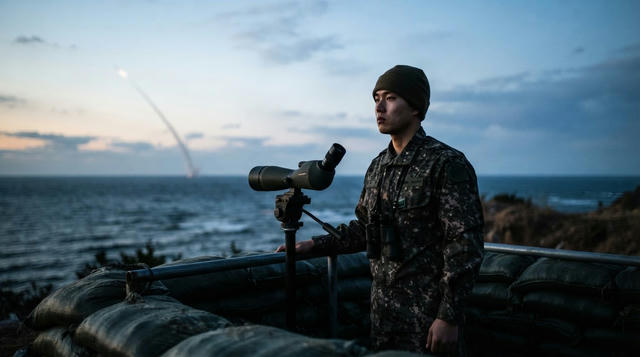
Houthi Missile Strikes on Riyadh Airport Kill at Least 13 People
The weekend attacks forced hundreds of flight cancellations across Saudi Arabia and prompted Washington to weigh direct military action against the Yemeni rebel movement.
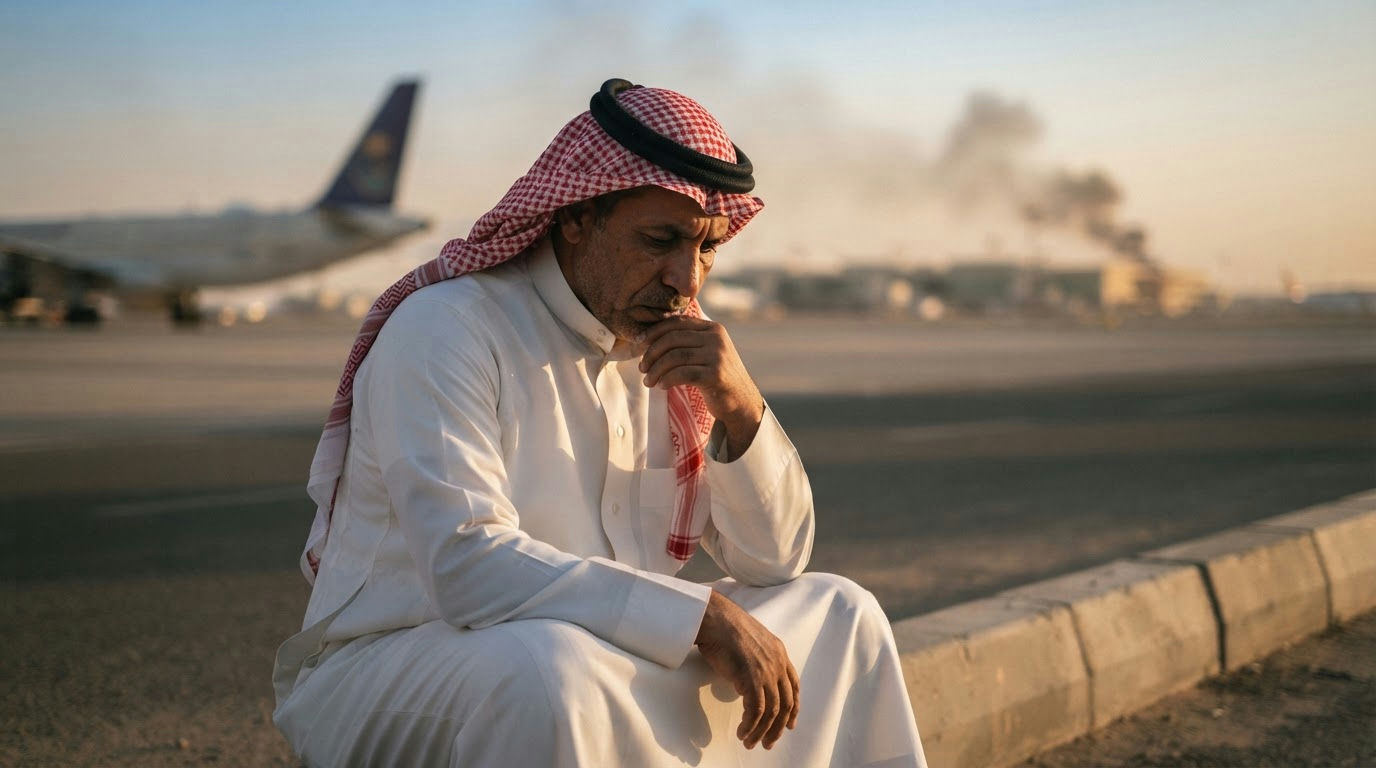
Yemen's Houthi movement struck King Khalid International Airport in Riyadh with missiles over the weekend, killing at least 13 people. The strikes hit passenger terminals on Saturday and Sunday, marking the deadliest attack in Saudi Arabia since 2015.
The Saturday missile struck the passenger complex housing domestic Terminals 3 and 4. Saudi Arabia's General Authority of Civil Aviation reported 12 dead and 309 injured, while The Guardian reported 13 fatalities and over 300 injuries. The victims included four Saudis and citizens of the United States, Bangladesh, Egypt, Jordan, Syria, Sudan, and Palestine.
On Sunday, an unidentified projectile hit Terminal 4, killing one person and injuring 11, while air defenses intercepted a nearby cruise missile. Officials extended the airport closure through Sunday, and FlightAware recorded at least 400 flight cancellations. An additional projectile landed near King Fahd International Airport in Dammam on Saturday night.
The strikes marked the fourth time in five days that projectiles targeted the Riyadh airport. A Thursday strike killed three Saudis at the airport, while a separate attack on Abha International Airport killed two women. Saudi authorities ordered schools across Riyadh to switch to remote classes until Thursday.
Senior Houthi official Mohammed al-Bukhaiti claimed responsibility, stating the strikes retaliated against Saudi military operations in Yemen. Houthi military spokesperson Brigadier General Yahya Saree warned airlines to avoid Saudi airspace and urged workers to leave oil facilities. Coalition spokesperson Major General Turki Al-Malki called the attacks war crimes and promised a decisive response.
U.S. Secretary of State Marco Rubio condemned the attacks, confirmed an American died, and demanded an end to Houthi strikes. United Arab Emirates adviser Anwar Gargash stated on X that the strikes endangered the Gulf and urged collective defense. The United States, Britain, Germany, and Spain advised citizens to avoid the Riyadh airport.
A United Nations truce collapsed in mid-2026. Tensions rose after Houthis took Mokha and Perim Island in September, prompting a Yemeni government counteroffensive on Oct. 4. A defense pact between Saudi Arabia, Pakistan, and Turkey took effect on Oct. 5, though Turkey limited its role to air defense.
President Donald Trump scheduled talks with Saudi Crown Prince Mohammed bin Salman to evaluate joint military options. Saudi Arabia sought interceptor missiles from Britain, France, Egypt, and Pakistan as its stockpiles ran low. Coalition forces also prepared potential retaliatory strikes on Houthi weapons sites across northern Yemen.