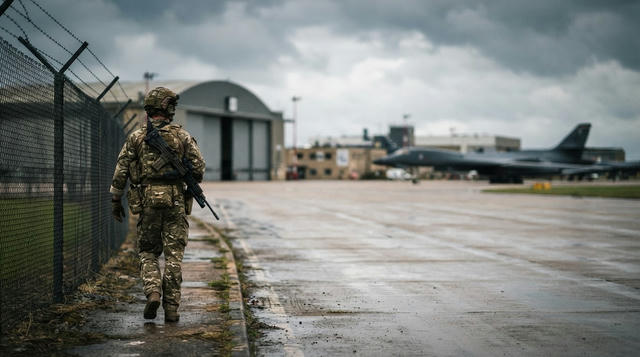
Houthi Strikes on Saudi Arabia Hit Riyadh Airport and Energy Sites
The fatal attacks disrupt international travel and threaten economic programs while drawing potential direct military intervention from the United States.
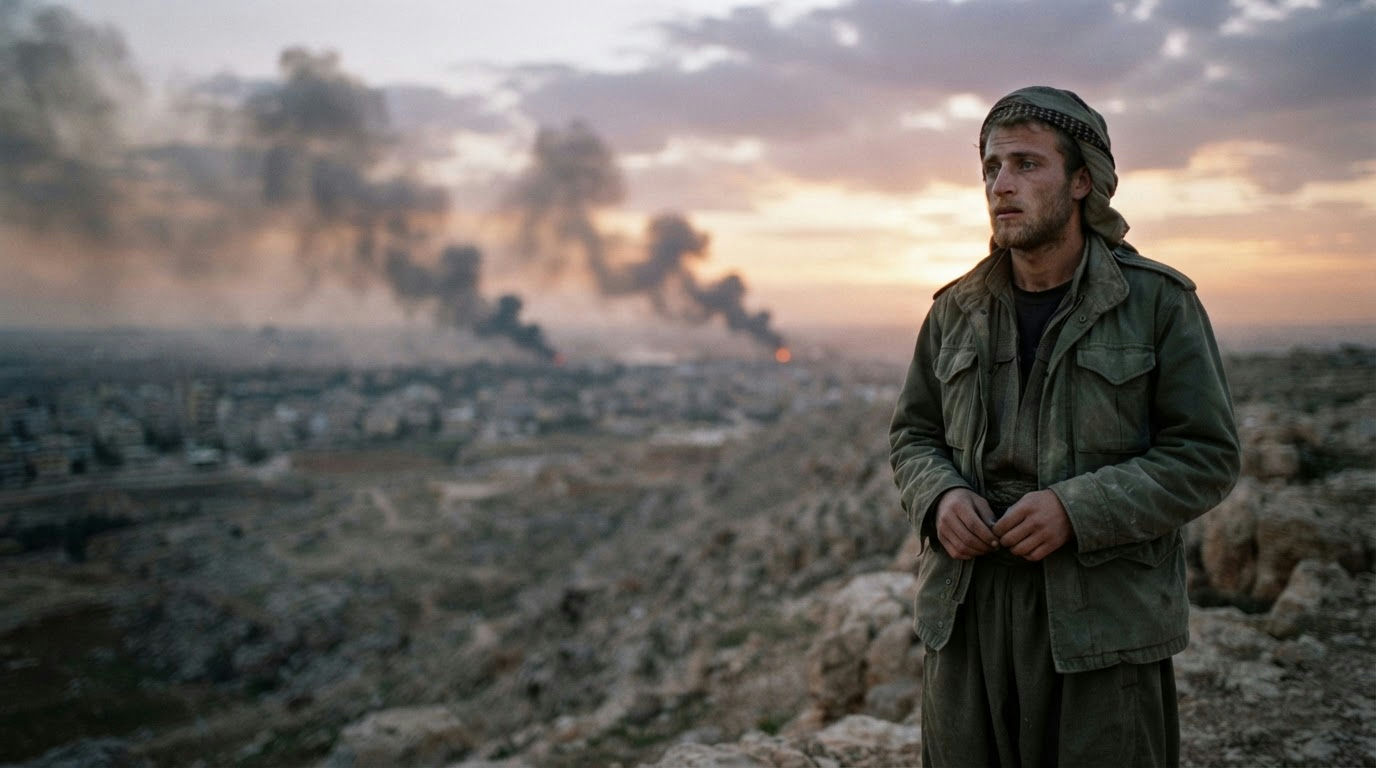
Yemen's Houthi movement launched missile and drone attacks across Saudi Arabia over the weekend, striking King Khalid International Airport, energy facilities, and southern installations.
The deadliest strike hit Terminal 3 at the Riyadh airport on Saturday, October 10, killing at least 12 people and wounding over 300. Saudi civil aviation officials confirmed that a United States citizen and a Sudanese national were among the dead.
Casualty counts for four airport strikes across the week varied among news organizations. Reuters reported at least 18 people killed, while Bloomberg and The Independent reported 13 to 14 fatalities. Falling debris from an intercepted cruise missile started a fire in Terminal 4 of the Riyadh airport on Sunday, October 11.
The Saudi-led coalition intercepted several ballistic and cruise missiles over Riyadh and Dammam, including near Saudi Aramco facilities in the Eastern Province. In response, coalition aircraft struck Sanaa International Airport and front-line positions across Taiz, Marib, Hajjah, Al-Hudaydah, and Saada governorates.
Houthi military spokesman Yahya Saree declared that all Saudi airports and airspace except Mecca and Medina are active military operational zones. Saree stated the attacks answered 124 coalition airstrikes conducted during the previous 24 hours. The group warned international commercial airlines, shipping firms, and foreign workers to avoid Saudi territory.
The Saudi General Authority of Civil Aviation closed King Khalid International Airport through the end of the week, rerouting flights. Saudi Energy Minister Prince Abdulaziz bin Salman stated that the attacks would not harm national capabilities and that energy infrastructure remained resilient.
Saudi authorities had ceased sending military threat alerts to mobile devices after September 29 to avoid public panic. Officials told allied Western diplomats that nighttime notifications had disturbed residents. The system resumed select warnings on Monday, October 12, as ministries reiterated rules banning unauthorized recordings of missile damage.
President Donald Trump told reporters that his administration is assessing whether to support Saudi military strikes. Houthi officials said they would target American assets in the Middle East if Washington joins the coalition offensive. Commercial airlines are reviewing flight routes, while Saudi forces prepare counteroffensives near the Bab el-Mandeb Strait.