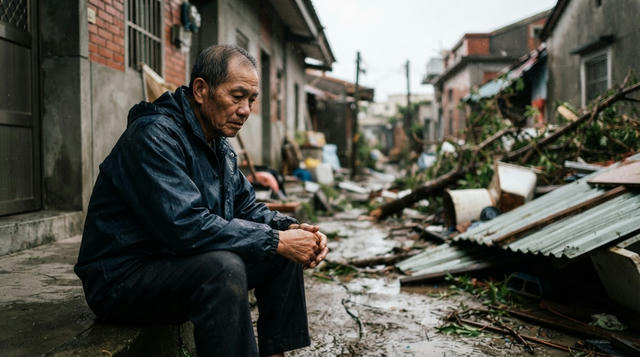
Hurricane Lala Batters Hawaii with Torrential Rains, Damaging Winds, Leaving Thousands Without Power
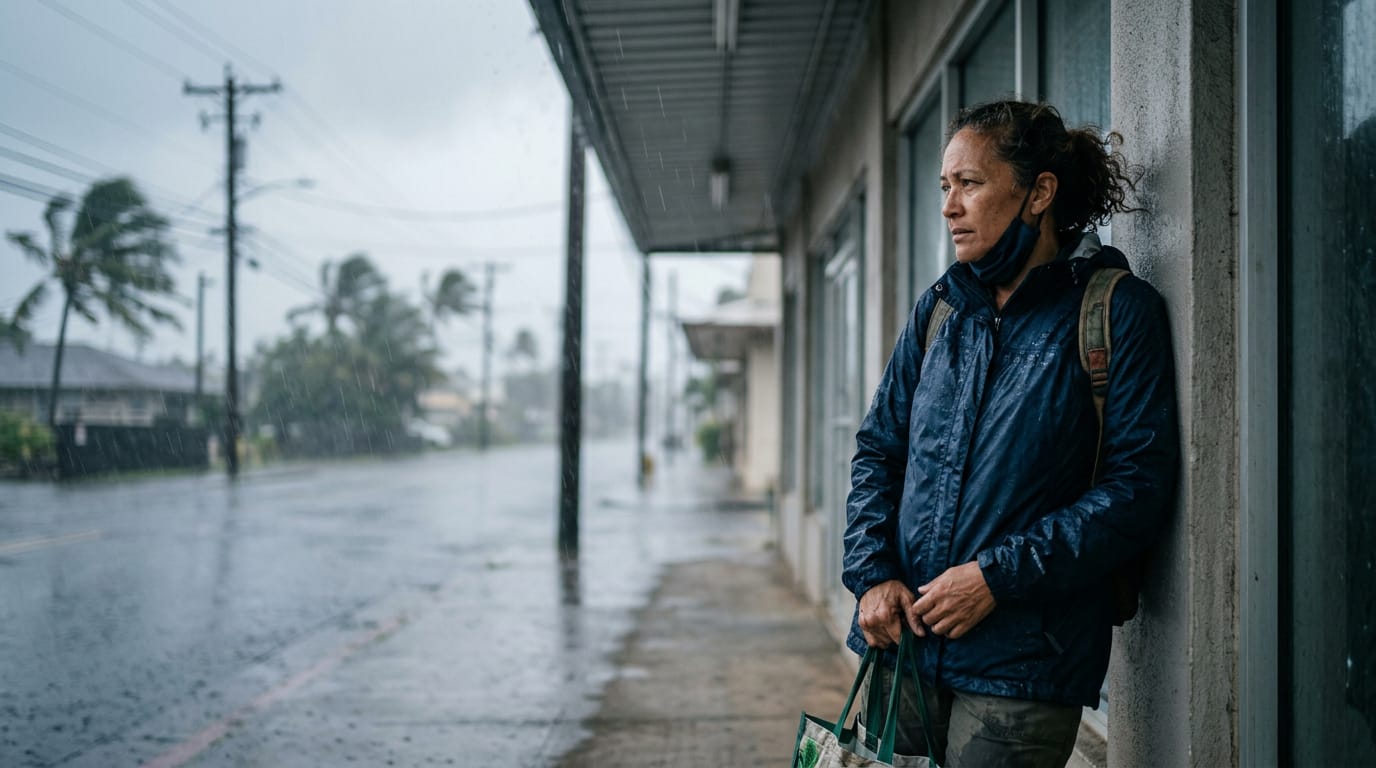
HONOLULU, HI – Hurricane Lala unleashed its destructive force upon the Hawaiian Islands this weekend, bringing torrential rainfall, powerful winds, and widespread power outages, particularly to the Big Island. The Category 1 hurricane, which grazed the southern tip of Hawaii Island, left a trail of disruption and prompted a large-scale emergency response across the archipelago. The storm's impact has highlighted the inherent vulnerabilities of island communities to severe weather events, even as residents demonstrated resilience in the face of nature's fury.
The Storm's Fierce Arrival and Initial Fury
Hurricane Lala, packing maximum sustained winds of 75 to 80 miles per hour, made its presence felt acutely as its eyewall brushed past the southern edge of Hawaii's Big Island on Saturday, August 15, 2026. While technically not making a direct landfall, the storm's close proximity brought immediate and severe conditions. Wind gusts reached extraordinary levels, with a staggering 140 mph recorded at the summit of Mauna Kea, Hawaii's highest peak, creating a rare summer "blizzard" with snow at high elevations. Communities closer to sea level experienced powerful winds, with sustained speeds of 50 mph and gusts up to 77 mph reported at Kohala Ranch, and 52 mph sustained winds with 71 mph gusts at Kona International Airport. These intense winds led to rapid deterioration of conditions, with trees snapping and power lines falling, plunging tens of thousands into darkness as the storm progressed.
Deluges and Disruptions: A Battle Against Water and Wind
The defining characteristic of Hurricane Lala's assault was the relentless, heavy rainfall it dumped across the islands. The Big Island bore the brunt of this deluge, with record-breaking amounts recorded in several locations. Laupahoehoe astonishingly received 25.48 inches of rain over a 36-hour period, while Nahuku, within the Big Island's Volcanoes National Park, measured 20.74 inches. Rainfall rates on the windward side of the Big Island reached 1 to 2.5 inches per hour, significantly increasing the threat of flash flooding and dangerous mudslides. Forecasts had warned of 10 to 20 inches across the Big Island, with some areas potentially seeing up to 25 inches, while windward Maui was expected to receive 8 to 12 inches.
The immediate consequences of these extreme weather conditions were widespread disruptions. Over 80,000 customers across the state lost electricity, with more than 63,000 outages concentrated on the Big Island, impacting residents in areas like Hilo, Kona, Kohala, Hāmākua, and Puna. Hawaiian Electric crews faced significant challenges in restoring power amidst downed lines and widespread damage. Major transportation arteries were also affected, with Hilo International Airport and Ellison Onizuka Kona International Airport on the Big Island temporarily closed, alongside commercial ports on the Big Island and Maui County. High surf, reaching up to 30 feet, and a storm surge of up to 3 feet battered east and south-facing shores, leading to coastal erosion and beach damage. These combined forces severely hampered mobility and normal daily life, with officials urging residents to shelter in place and avoid unnecessary travel due to hazardous road conditions and limited visibility.
Preparedness and Emergency Response Under Pressure
In anticipation of Lala's arrival, Hawaiian authorities and residents had activated comprehensive preparedness measures. Governor Josh Green declared a state of emergency, ensuring resources were readily available for the affected areas. The Hawaii Emergency Management Agency (HIEMA) and county civil defense agencies coordinated response efforts, disseminating crucial information and urging citizens to finalize storm preparations. Shelters were opened across Hawaii County, Maui County, and Honolulu County, with Oahu opening eight hurricane refuge areas to accommodate those needing to evacuate or seeking safer ground. Approximately 180 members of the Hawaii National Guard were deployed to assist with emergency operations.
The emergency response was swiftly launched as the storm hit. Road crews worked to clear debris where conditions allowed, while utility workers from Hawaiian Electric labored to restore power, often facing extended outages due to the scale of the damage. The closure of airports facilitated emergency response efforts by reducing tourist traffic, which officials noted often accounts for a significant portion of rescues due to unfamiliarity with local conditions and alerts. However, the storm tragically claimed at least one life, underscoring the dangers inherent in such powerful natural events.
Lingering Challenges and the Road to Recovery
As Hurricane Lala began its expected weakening and moved northwest away from the Big Island, residents across the state faced the daunting task of assessing the full extent of the damage and initiating recovery efforts. While the immediate threat receded for the Big Island, Tropical Storm Warnings remained in effect for Maui County, Oʻahu, and Kauaʻi County, signaling continued hazardous conditions for these islands. The widespread power outages, road closures, and localized flooding presented significant logistical challenges for communities attempting to return to normalcy.
The storm's timing also added another layer of complexity, with many Hawaii residents still recovering from devastating floods that occurred in March. Furthermore, meteorologists warned of elevated wildfire risks in areas outside the direct path of Lala due to strong winds, a grim reminder of the Lahaina fires in 2023. The extensive damage to infrastructure, particularly the electrical grid, necessitates substantial repair and rebuilding efforts. The state and county governments, in conjunction with federal aid, will be crucial in supporting these long-term recovery processes. The experience with Hurricane Lala serves as a stark reminder of Hawaii's susceptibility to tropical cyclones and reinforces the ongoing need for robust preparedness, resilient infrastructure, and community cooperation in the face of an ever-changing climate.